
How to Get Rid of Mice: Quick, Humane Fixes

If you’ve ever heard the squeak of a midnight visitor and leapt to conclusions, you’re not alone. Mice are tiny, but they don’t waste a moment reminding you who’s boss in your own house. Let’s cut to the chase: you don’t need a fancy rodent army to reclaim your space. You just need a plan that’s practical, humane when possible, and actually works.
Know your enemy: verify and identify the trouble

Mice are sneaky, but not invincible. Start by confirming you’re dealing with mice and not something else. Look for droppings, gnaw marks, shredded paper, and the telltale odor of a nest. Do you hear squeaks or scampering around walls at night? That’s classic. Once you know what you’re up against, you can tailor your plan.
Seal the doors, stop the entry points
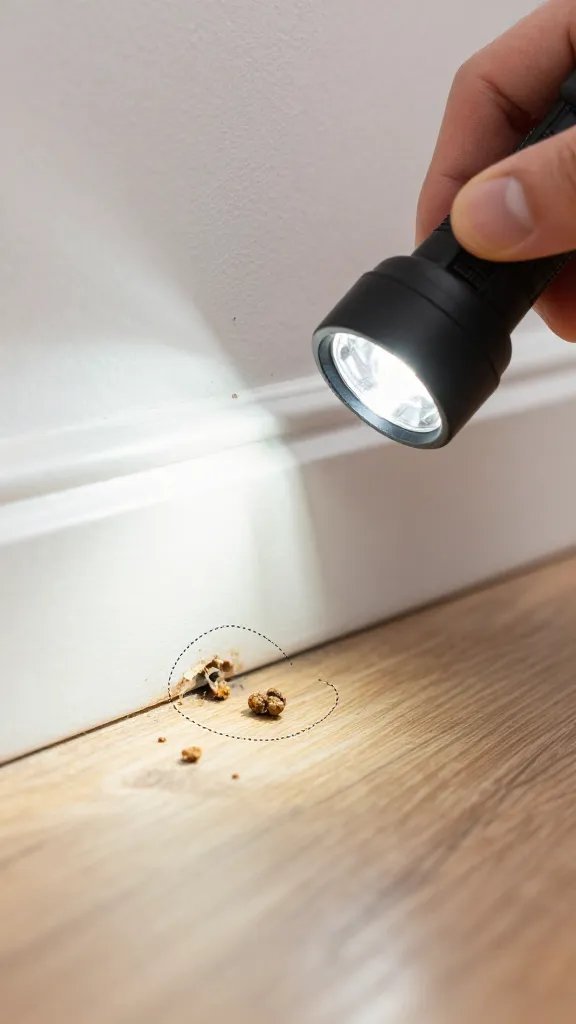
Before you deploy traps and baits, close the front door… to future mice. A big victory is preventing new visitors from arriving.
- Inspect for gaps the size of a dime around doors, windows, pipes, and foundation cracks.
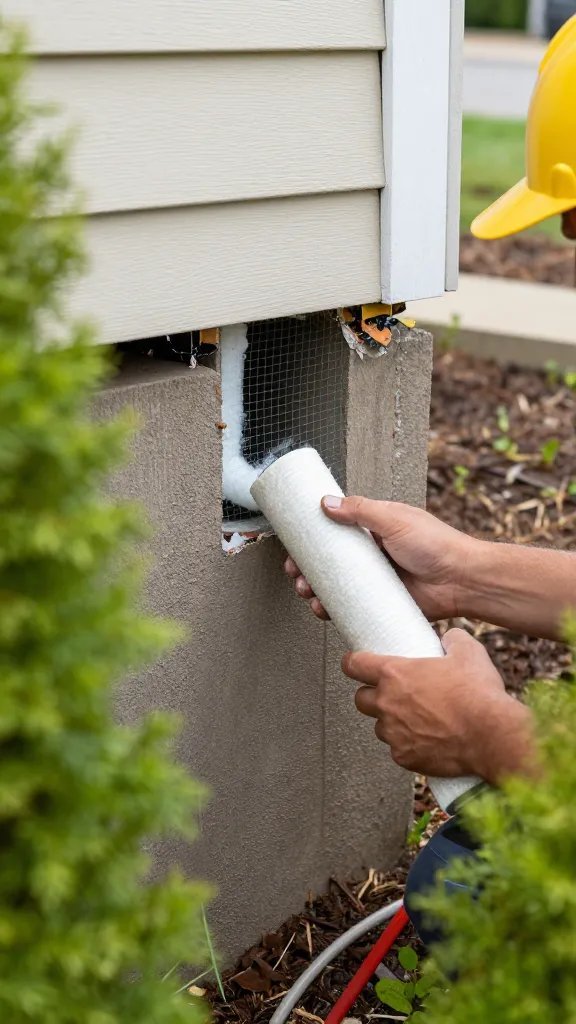
- Seal with steel wool and caulk or cement—mice can chew through foam or soft materials, so go sturdy.
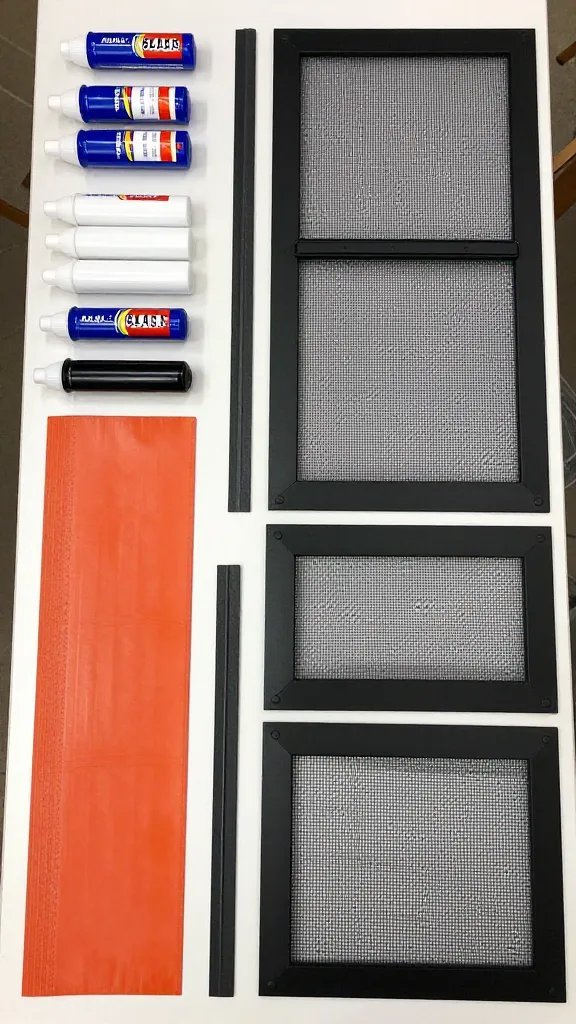
- Install door sweeps on exterior doors and fix any damaged screens.
- Secure attic and basement access points with mesh hardware cloth (1/4 inch or smaller).
FYI, prevention is cheaper and less gross than playing endless cat-and-mouse.
Set up traps that actually work

Traps aren’t evil; they’re tools. Choose your weapon based on your vibe and mess tolerance.
Snap traps: quick and efficient
– Place them along walls, where mice travel, with the trigger away from the wall for maximum catch potential.
– Use high-quality traps, bait sparingly (peanut butter is classic but choose what your pest won’t ignore).
– Check them daily; dispose of catches humanely and reset.
Live traps: catch and release (humane option)
– Use a ventilated container or trap with a one-way door.
– Release far away from your home to avoid repeat visits, but be mindful of local wildlife rules.
– Remember: live traps still require daily attention and cleanup.
Electronic traps: modern convenience
– Easy to clean and often quick, but ensure you place them where curious pets or kids won’t tinker.
– Check the batteries and test them regularly.
Where to place traps for best results
– Along walls, near entry points, and in dark, quiet corners. Mice prefer the edges of rooms, not the center.
– If you’ve noticed a nest, place traps near it but with caution—don’t tip the nest, just aim for activity hotspots.
– Keep bait fresh and rotate flavors to avoid bait fatigue.
Clean, declutter, and deprive them of a snack bar
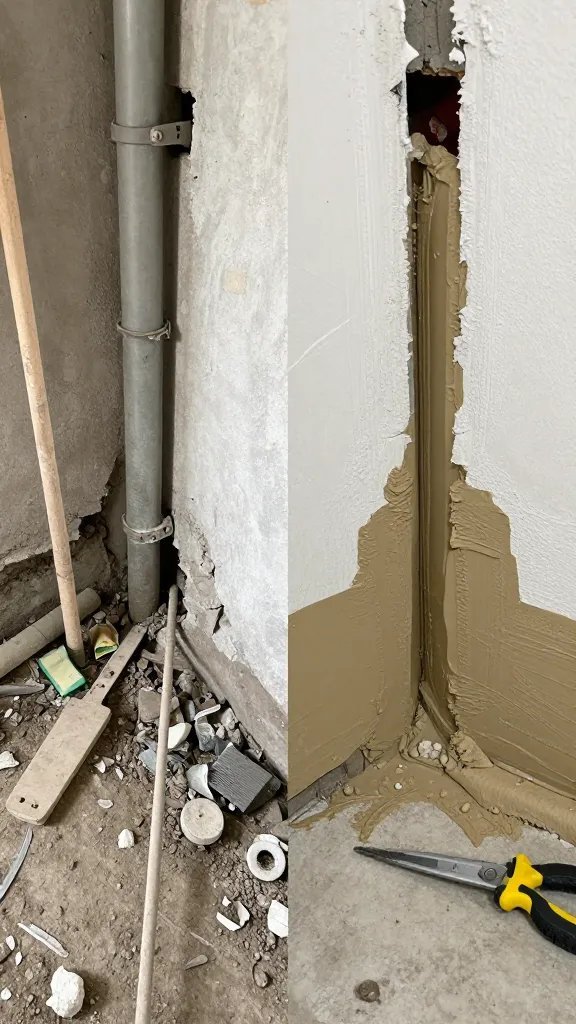
A clean home is a less appealing home to mice. Clutter hides pathways and makes it easy for them to live undetected.
- Store food in airtight containers. Rice, cereal, and snacks should be sealed tightly.
- Don’t leave pet food out overnight; store it in sealed bins.
- Wipe counters, sweep floors, and don’t leave dirty dishes out.
- Seal garbage cans and empty trash regularly.
- Check for water leaks—mice drink and thrive on damp, accessible leaks.
If you spot nesting material, double down on cleaning and maybe do a quick remodeling of that area to remove hiding spots.
Natural deterrents and smart habits
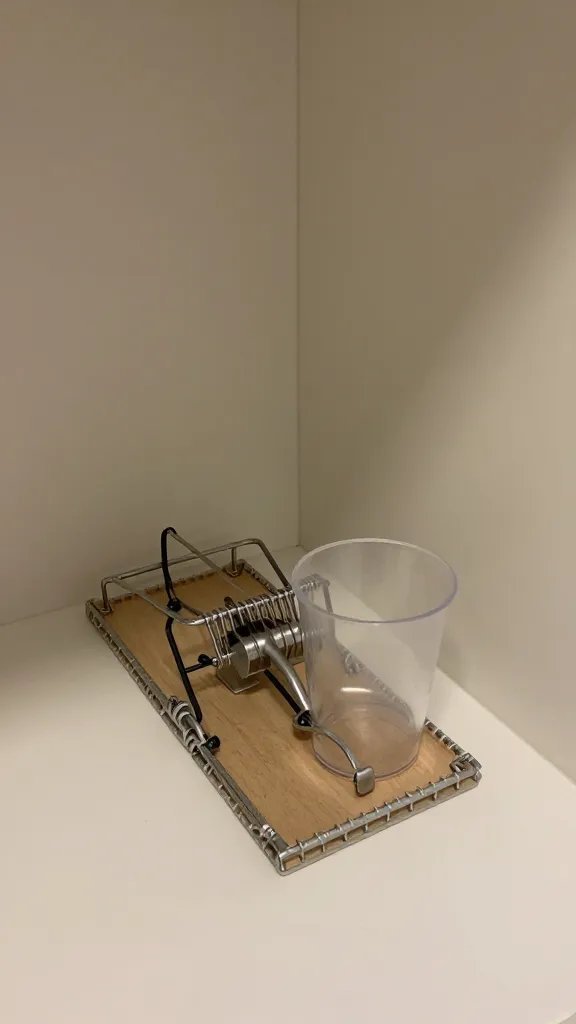
You don’t need a full pest control army to scare them away. Some simple shifts can make your place a no-go zone.
Smell and sound tricks
– Peppermint oil and strong scents can repel some critters, but don’t rely on them alone.
– Ultrasonic deterrents aren’t magic bullets, but they can supplement a real plan. They work inconsistently, depending on the space.
Light and airflow
– Mice avoid bright, busy spaces. Keep areas well-lit and trim back overgrown bushes near entry points.
– Improve ventilation to reduce damp, inviting environments for nests.
Outdoor exclusion
– Trim shrubbery away from the house to reduce bridge points.
– Store firewood off the ground and away from walls; mice love stacking up in it.
When to call in pros: a reality check
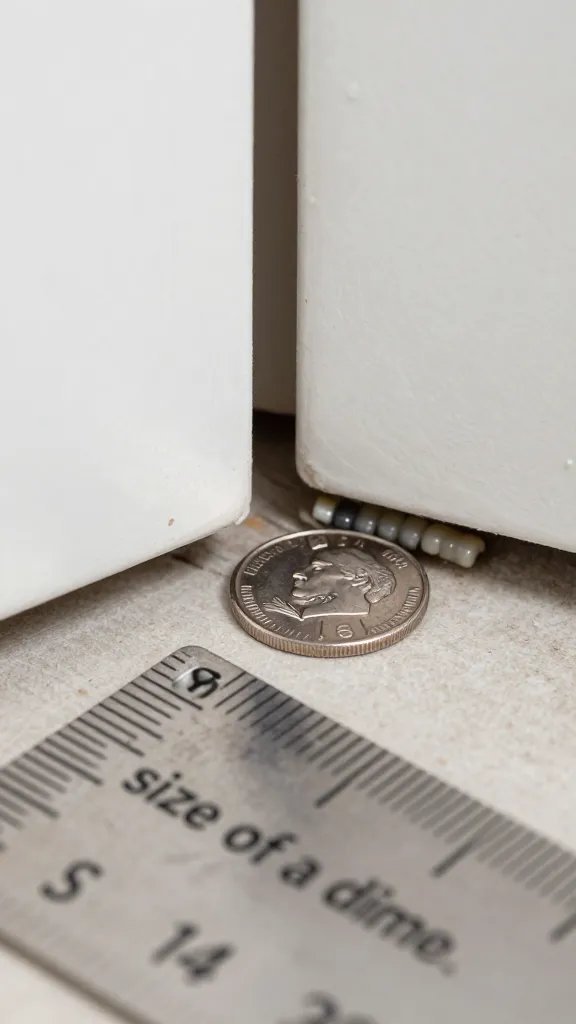
Sometimes you’ll run into a stubborn infestation that just refuses to quit. If you’ve tried multiple traps, sealed every crevice, eliminated food sources, and you still hear squeaks at night or see droppings, it’s time to bring in a professional.
– A licensed pest control pro can identify entry points you missed.
– They’ll tailor a plan for your home and local regulations.
– Pros can provide ongoing monitoring to prevent a relapse.
Don’t feel like you’ve failed. Some houses are just built with a “welcome” mat for rodents that’s hard to resist.
Maintenance mindset: long game, not one-and-done

Mice multiply quickly, and a clean slate today doesn’t guarantee a mouse-free tomorrow. So, adopt a maintenance mindset.
- Weekly quick checks for droppings or new chew marks in high-risk areas.
- Seasonal re-sealing checks—after storms or foundation shifts, re-evaluate gaps.
- Regular trash and food storage discipline—don’t give mice a feast as a present.
Stay curious and proactive. It’s not about outsmarting them once; it’s about staying one step ahead.
FAQ
How long does it usually take to get rid of mice?
Mice can be difficult to eradicate quickly, especially if they’ve found a reliable food source and shelter. With a solid plan, you can start seeing a drop in activity in a week or two, but a complete cleanup can take a few weeks. Stay vigilant and keep up with sealing and cleaning.
Are live traps humane and effective?
Live traps can be humane and effective if you release the mice far from your home and monitor them daily. They’re great if you dislike the idea of killing rodents, but they require ongoing commitment and can be less practical for larger infestations.
Can I use poison baits inside my home?
Poison baits should be used with extreme caution, especially in homes with pets or kids. They can be effective, but you must follow label directions and consider non-target risks. For many households, traps plus sanitation beat poisons in both safety and long-term results.
What’s the worst mistake people make when dealing with mice?
Overlooking entry points and continuing to leave food accessible. A trap won’t fix what a door gap won’t block. If you fix the access, you dramatically improve your odds of keeping mice out for good.
Do peppermint oil and essential oils actually work?
They might deter some mice temporarily, but they’re rarely enough on their own. Think of them as a minor sidekick rather than the main plan. FYI, they’re good for a pleasant scent, not a guaranteed rodent repellent.
How do I tell if I’ve truly cleared the infestation?
Two signs you’re on the right track: a sustained period with zero fresh droppings and no new gnaw marks for several weeks, plus consistent sealing and cleaning that keeps mice from returning. If you still notice activity after a month, reassess and consider professional help.
Conclusion

You’ve got this. The plan isn’t glamorous, but it’s solid: identify the problem, seal the entry points, trap strategically, tidy up like a cleanup ninja, and keep an eye on the basics. A little consistency goes a long way, and FYI, you’ll likely feel a surge of relief once the squeaking quiets down. So grab a flashlight, a bag of steel wool, and your best traps, and turn your home back into the sanctuary it’s meant to be.