
How to Paint Walls: Quick, Pro-Style Makeover Secrets
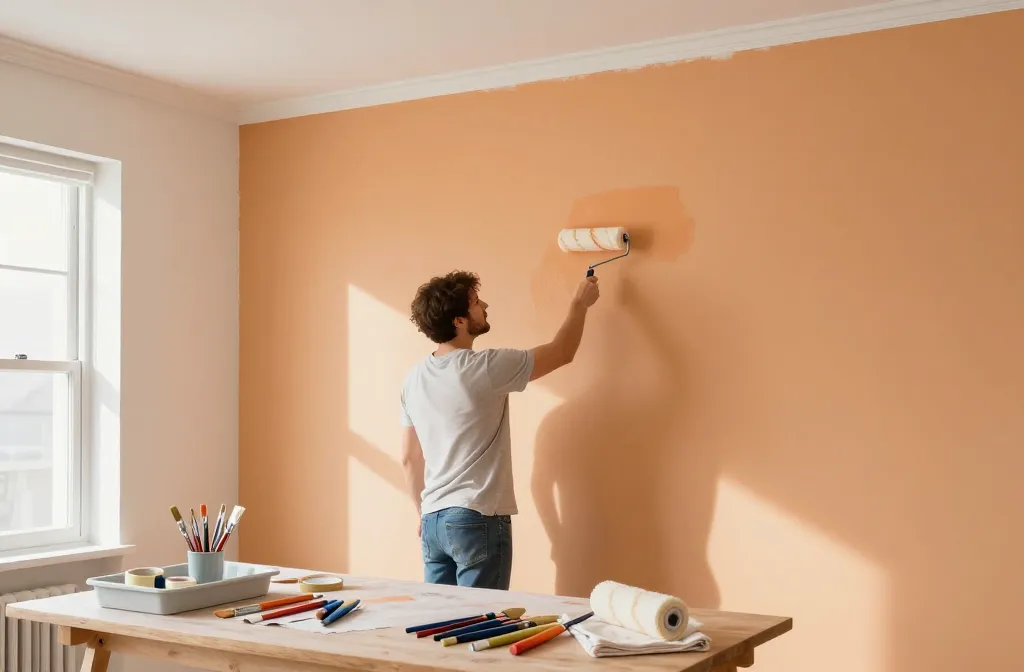
The moment you grab a brush and a fresh can of paint, you’re not just changing color—you’re changing mood, airflow, and the vibe of a room. It’s a surprisingly satisfying DIY that can be quick, if you know what you’re doing. Let’s dive in and make those walls sing without turning your life into a mural of mess.
Start with a plan (and a little bravery)
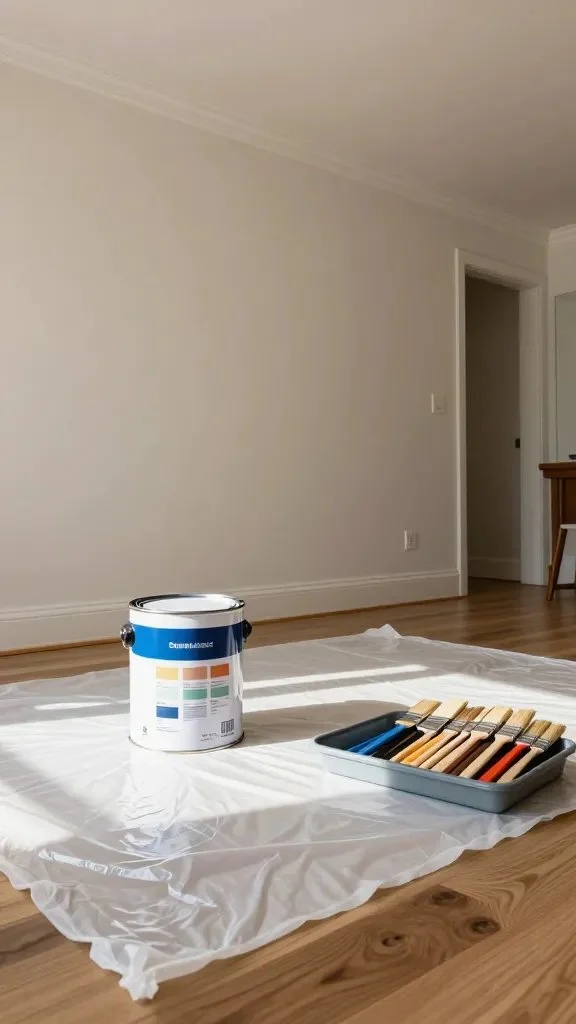
Painting without a plan is like trying to bake cookies without a recipe—you’ll end up with something edible but not great. Decide on color, finish, and how much surface you’ll tackle in one go. Do you want a bold accent wall or a soft, endless backdrop? Hmm, that gloss or matte decision can change the whole feel of the room, so think it through before you buy.
– Choose a color family first: warm tones feel cozy, cool tones feel calm.
– Pick a finish: matte hides flaws, satin is forgiving, eggshell strikes a balance.
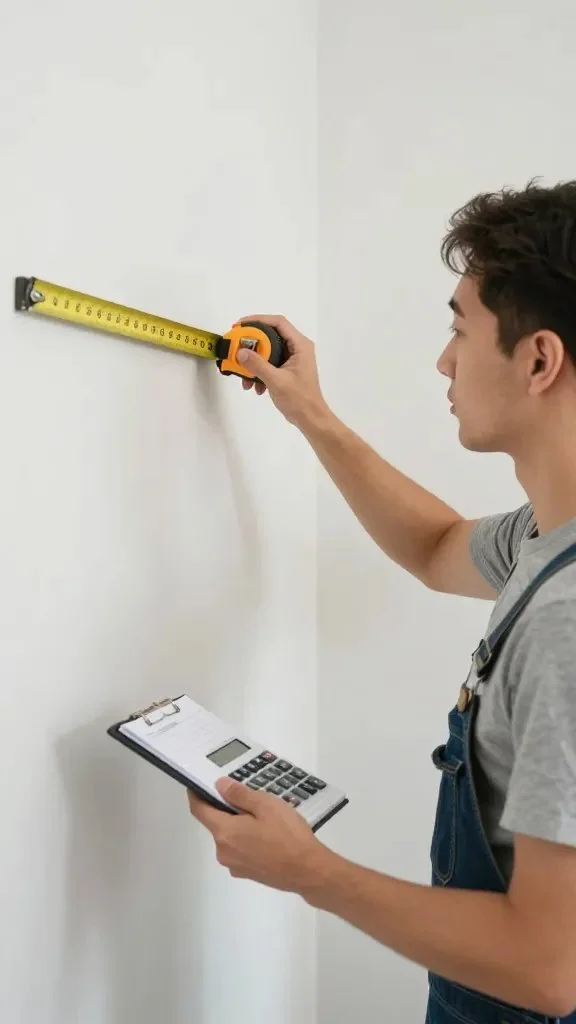
– Measure the space: walls plus ceiling, plus trim if you’re feeling fancy.
– Buy a little extra: you’ll thank yourself when you scratch that painty corner at 9 PM and realize you’re just shy of a can.
Tools and setup: don’t skimp on the basics
Do you really need that fancy roller cover? Yes, you do. The right tools save you time and frustration.
- Quality brushes for corners and trim
- Rollers with the right nap for your wall texture
- Paint tray and liners
- Drop cloths and painter’s tape
- Masking tools for outlets and fixtures
- A 5-in-1 tool or scraper for prep work
Prep is the secret sauce. Dust, grease, and old peeling paint will ruin a nice finish. Wipe surfaces, sand rough spots, and fill holes with spackle. FYI, tiny imperfections show up more under a fresh coat, so don’t skip this part. Subtle tip: warm the paint slightly by letting the can sit in warm water before you start; it helps with a smoother flow.
Prep properly or regret it later
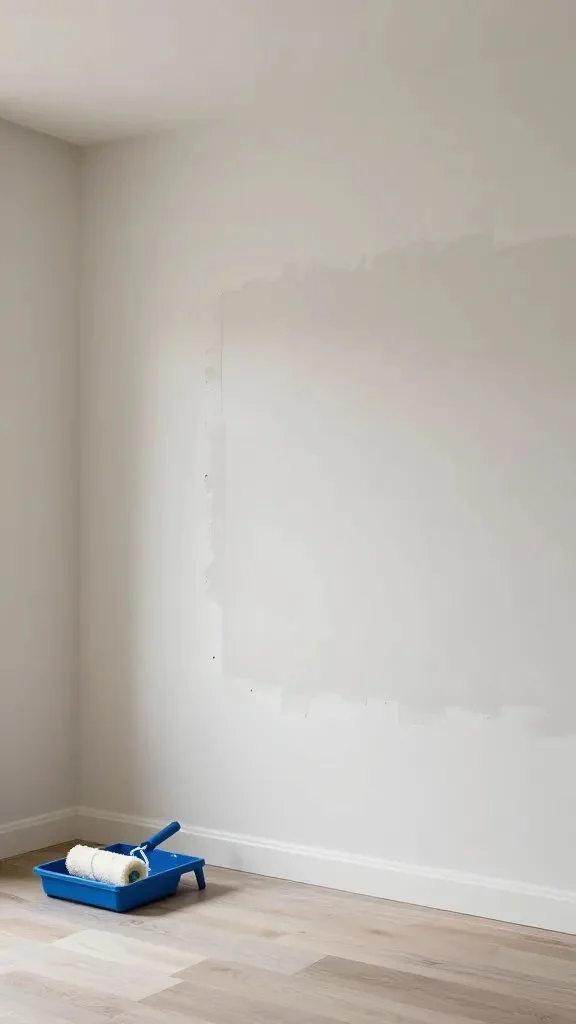
If you skip prep, you’ll spend more time touching up than living your best wall life. Here’s the quick rundown of prep steps that actually matter.
- Wash walls to remove grime and fingerprints. Bad vibes no longer allowed.
- Repair cracks and holes with spackle. Let it dry completely, then sand smooth.
- Sand glossy surfaces lightly so the paint can grip. No sticking to slick surfaces, please.
- Protect floors with drop cloths and tape off trim, outlets, and fixtures.
Patch, sand, and prime: the holy trinity
If you’re covering bold colors or dealing with stains, primer will be your best friend. It creates a uniform surface so you don’t have to chase color with multiple coats.
– For light walls: a simple stain-blocking primer is usually enough.
– For drastic color changes: use a tinted primer closer to your final shade to save coats.
– Oil-based primers seal better on tricky surfaces, while water-based primers are easier to clean up.
Color choices that won’t make you cry
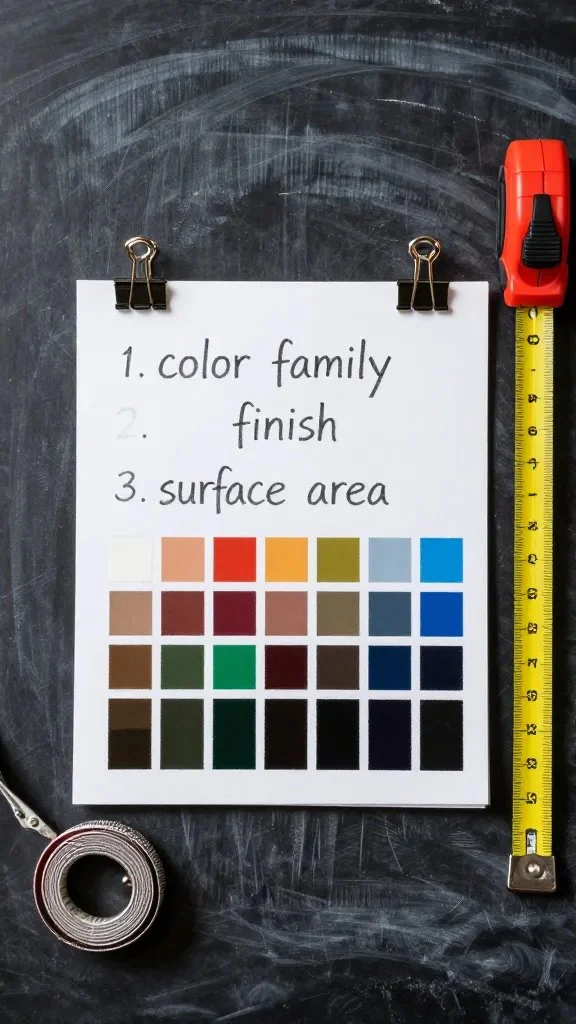
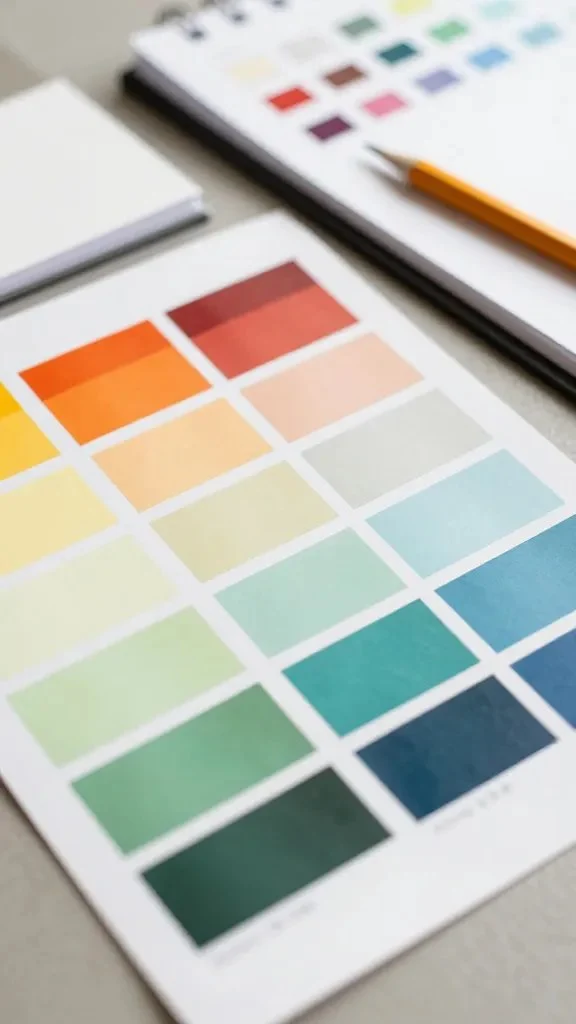
Now for the fun part: choosing the exact shade. Picking color is part art, part science, and entirely personal.
- Test a few swatches on the wall. Big swatches, not tiny chips. Live with them for a day if you can.
- Consider lighting: natural light shifts things throughout the day, so check at different times.
- Think about the room’s purpose: sleeping rooms benefit from calming hues; kitchens love a bit of zesty energy.
- Don’t forget the ceiling: a bright white or pale blue can visually lift a low ceiling.
Finish types explained in plain English
– Matte: elegant but shows flaws a bit; great for living rooms.
– Eggshell: a touch more durable, decent everyday use.
– Satin: a tad shiny, easy to clean; kitchens and bathrooms love this.
– Semi-gloss: sturdy and wipeable; trim and doors do best here.
– High-gloss: bold and dramatic, but shows every fingerprint.
If you’re unsure, start with eggshell or satin on walls and reserve high-gloss for trims if you’re feeling fancy.
Roll it, don’t bulldoze it: painting technique
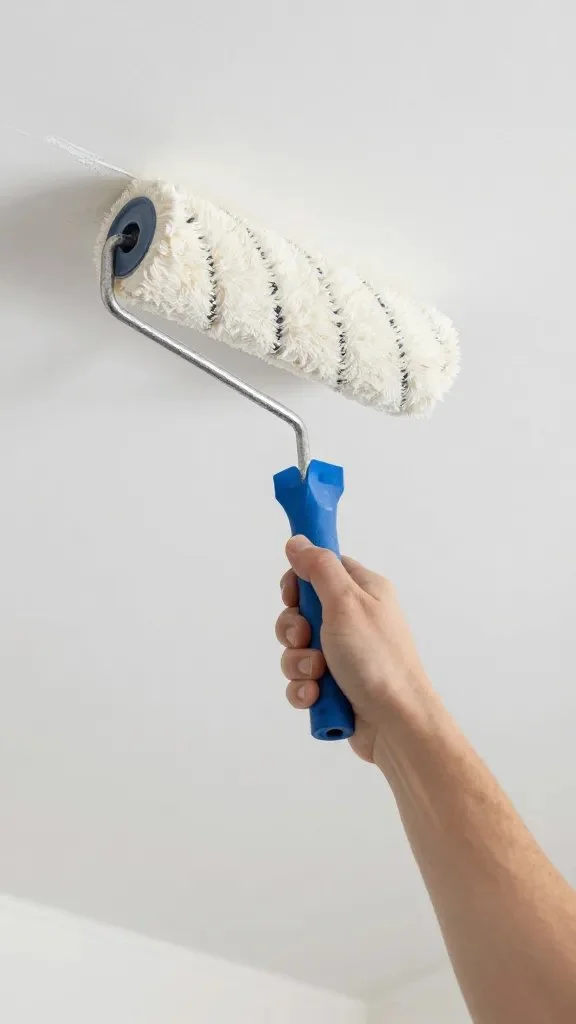
Technique matters almost as much as color.
- Cut in first: use a angled brush to paint along edges, corners, and around trim. This is where tape helps less and your control shines.
- Roll in W and S patterns: keep a light to medium pressure and roll in a “W” pattern, then fill in the gaps with an “S” to avoid roller marks.
- Maintain a wet edge: don’t let the edge dry as you roll. If you must pause, reload a little paint to blend.
- Two coats, minimum: one coat is a nice start, two coats give you that pro finish. If you’re daring, you can push a third for bold hues.
Dealing with texture: skip the drama
If your walls are heavily textured, a longer-nap roller helps cover more efficiently. For smoother walls, a shorter nap gives you a cleaner finish. If you see roller marks, you’re either too dry on the paint or you’re rolling over a dry edge—breathe, fix it, and carry on.
Trim, doors, and the finishing touches

Don’t forget the smaller stuff that actually makes the room look finished. Tape off edges, protect floors, and prepare for clean-up.
- Touch up with a small brush for clean edges along the ceiling and trim.
- Remove painter’s tape while the paint is still slightly tacky to avoid peeling.
- Clean up spills immediately with a damp cloth so you don’t compound the mess.
For the bold: accent walls and color blocking
Want drama? Consider an accent wall in a deeper hue or a geometric color block. It’s a modern move that doesn’t require repainting the whole room. Just be mindful of furniture placement and lighting so the color sings instead of shouting.
Cleanup and maintenance: keep things fresh
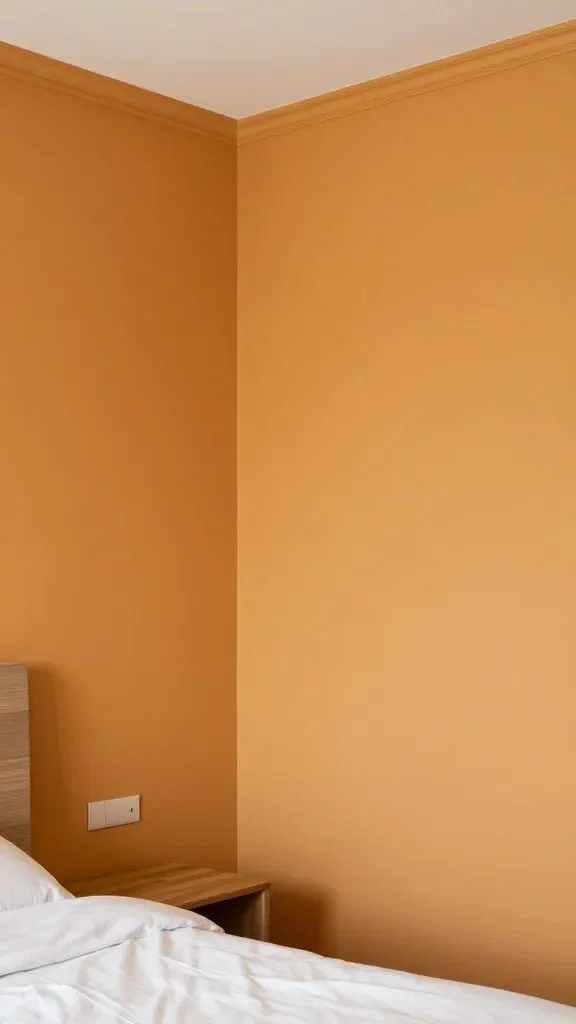
Cleaning up after painting is not a punishment; it’s a victory lap.
- Seal the cans tightly with a little plastic wrap under the lid to keep air out.
- Wash brushes and rollers with warm soapy water (or mineral spirits for oil-based paints) and let them dry fully before storing.
- Wipe brushes with a clean cloth between sessions to extend life.
- Store leftover paint in a cool, dry place and label it with color code and date.
FAQ
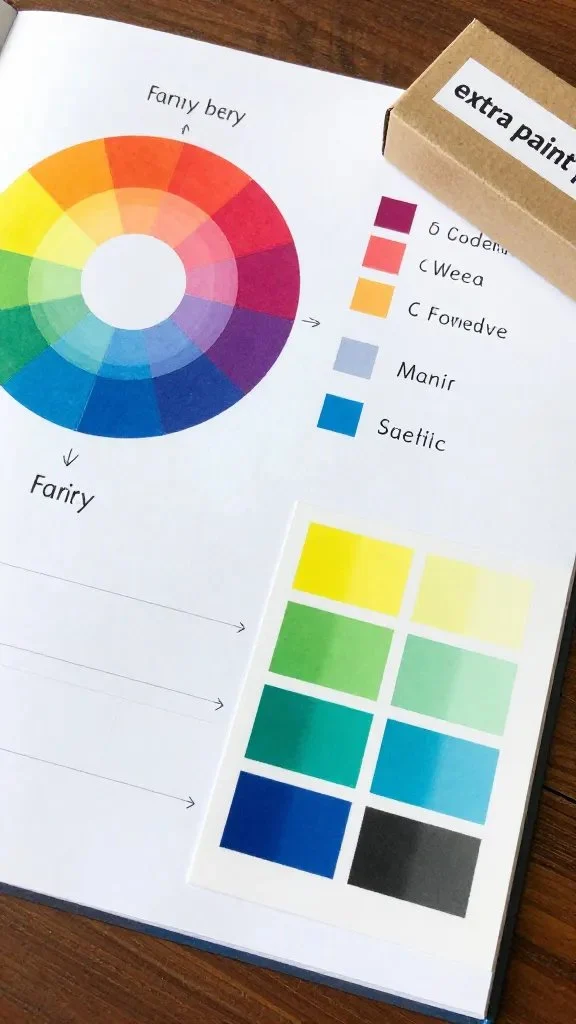
How long does a typical room take to paint?
If you keep it lean with prep, two coats, and a reasonable pace, you’re looking at a day or two for most rooms. Bigger jobs or tricky colors might stretch to a long weekend. Plan for drying times between coats and factor in snack breaks—your sanity will thank you.
Is it better to hire a pro or DIY?
DIY works great for straightforward jobs and leaves you with bragging rights. If you’re dealing with high ceilings, very dark colors, or extensive wall damage, a pro can save you time and headaches. FYI, you’ll probably still want to do the prep work yourself to keep costs down.
What about stains and odors?
Stains usually need a stain-blocking primer, not just paint. For odors, a good primer with odor-blocking properties or later airing out the room helps a ton. Open windows, use a fan, and be patient—the smell fades with time.
Can I paint over wallpaper?
Paint can work over wallpaper if the paper is in good condition and you prime correctly. Peeling wallpaper or bulky textures require more prep or removal. Don’t skip the prime—otherwise you’ll see those seams and edges poke through.
What’s the best order to paint a room?
Start with the ceiling, then walls, then trim. It minimizes splatter on finished areas. If you’re feeling extra tidy, do the edges with a brush before rolling the center for a crisp look.
Conclusion: you did it—walls that wow

You picked a vibe, prepped like a pro, and laid down color like it was nothing. The room feels bigger, cozier, or just cooler—depending on your choice. Remember, patience pays with paint: thin layers beat heavy-handed chaos every time. So grab a snack, step back, and enjoy the sight of your freshly painted walls. IMO, you earned a tiny victory lap for this one. FYI, you can always tweak the color later, but right now celebrate the fact that you made a space that’s yours.