
How to Get Rid of Mosquitoes Fast This Summer
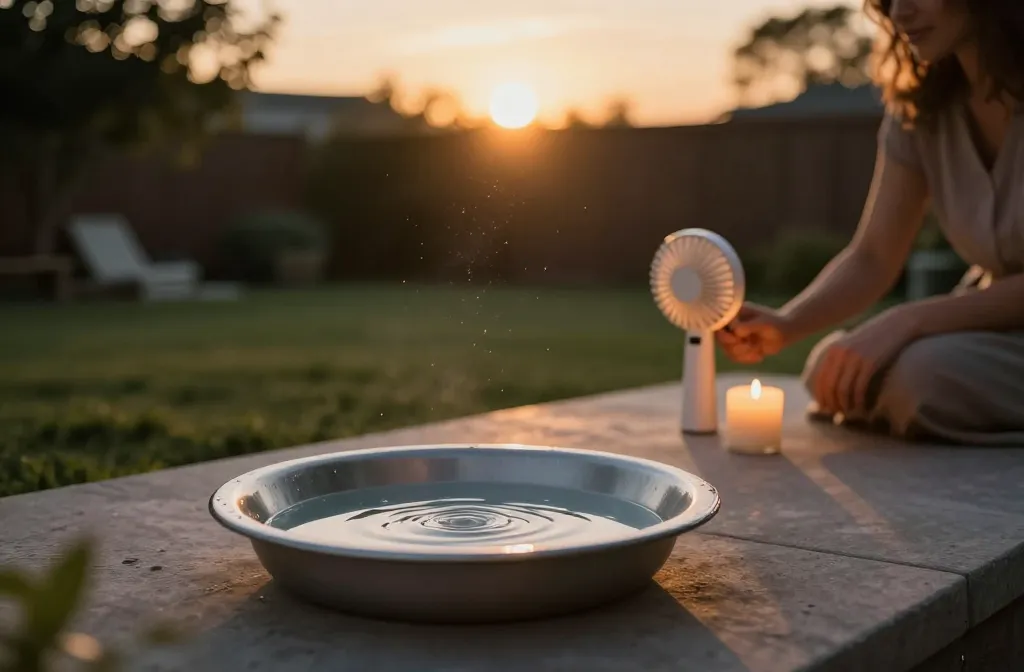
The minute you step outside at dusk and hear that buzz, you know you’ve got a problem. Mosquitoes are loud, annoying, and, let’s be honest, they’re basically tiny vampires. But fear not—there are practical, easy-to-implement ways to kick them to the curb. We’re talking about smart habits, cleanup, and a few proven tools that actually work. FYI, you can reclaim your evenings without turning your yard into a science experiment.
Know the enemy: where mosquitoes hang out
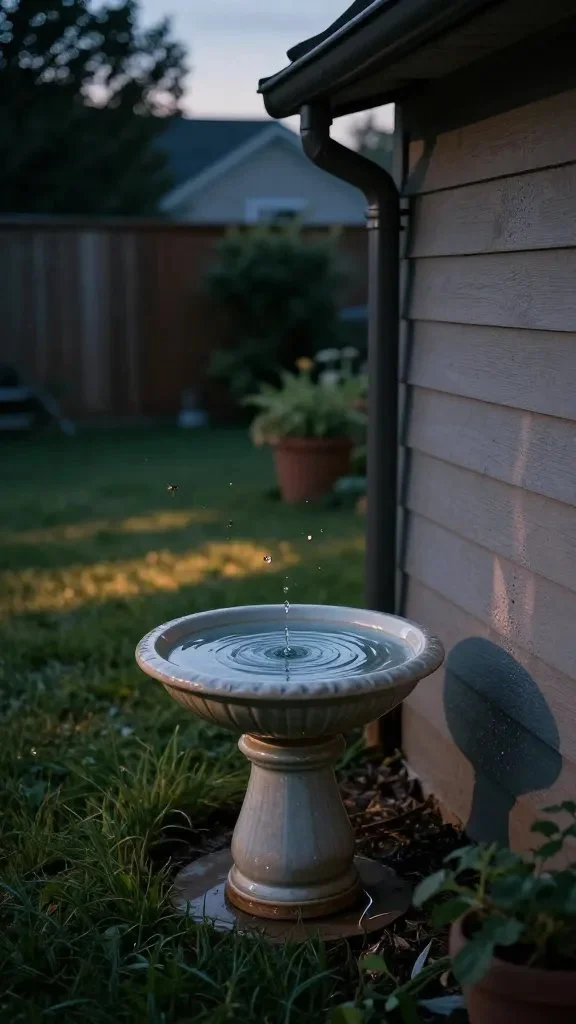
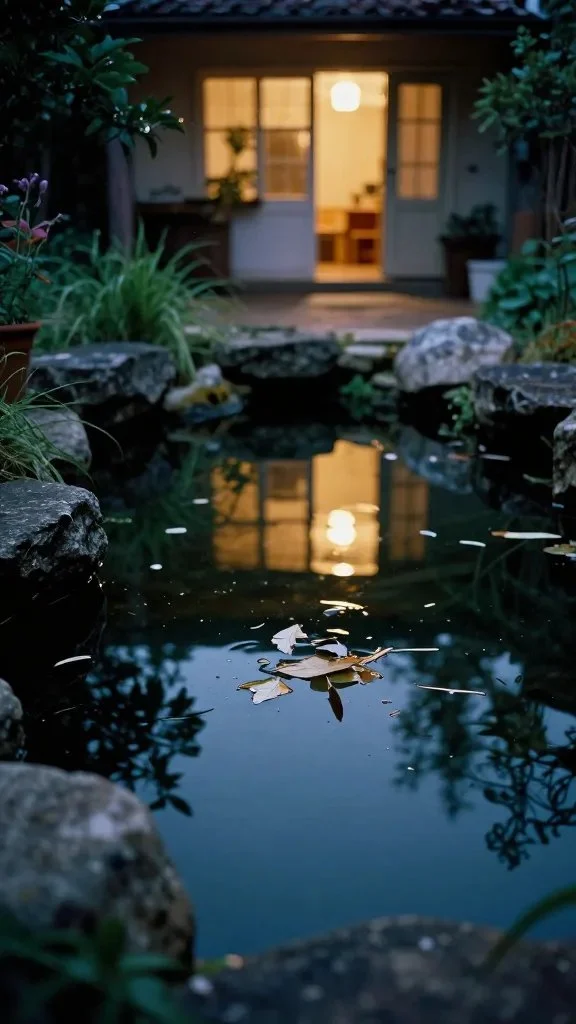
Mosquitoes aren’t random troublemakers. They love standing water, shade, and temps that aren’t too hot or too cold. They breed in pots, clogged gutters, bird baths, and even the soggy edge of a planter tray. They’re most active at dawn and dusk, but they’ll take a late-night snack if you’re outdoors with a drink in hand. So, where to start? Look for water, shade, and any stagnant spots your yard or balcony hides.
Make your space less inviting

If you don’t want to chase them with bug spray all summer, you’ve got to remove their favorite hangouts.
- Drain standing water: even tiny cups, plant saucers, pet water bowls, and kiddie pools can become mosquito nurseries. Empty, scrub, and refresh weekly.
- Clean gutters and ensure drainage: clogged gutters = perfect breeding ground. Fix leaks, clear leaves, and divert water away from foundations.
- Change bird baths and pet bowls regularly: change water daily if possible and scrub with soap to remove biofilm.
- Trim shade: mosquitoes love cool, damp spots. Prune trees and bushes to reduce dense shade near your seating areas.
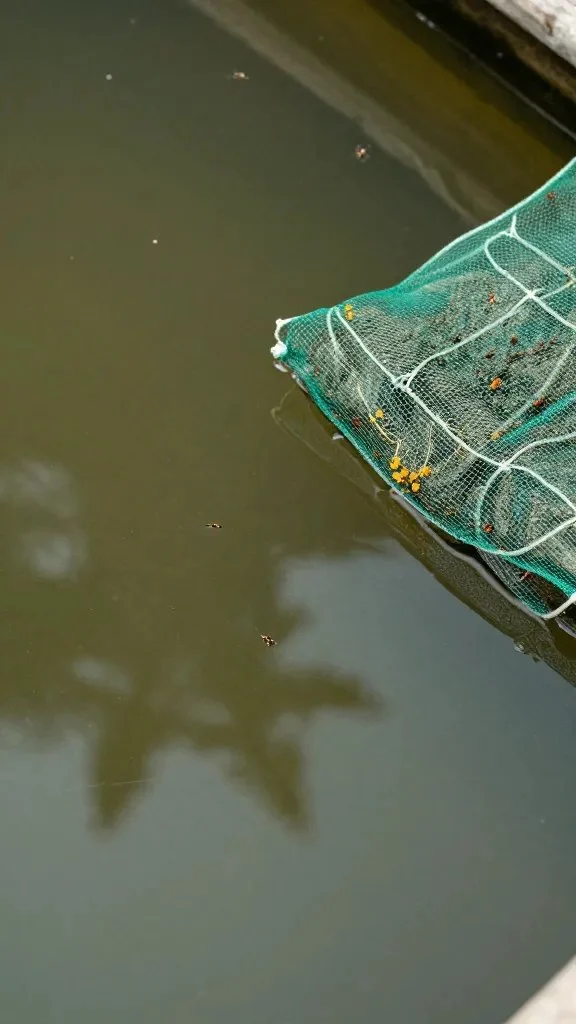
- Fix outdoor containers: always cover rain barrels and add fine mesh lids to prevent mosquito access.
Smart barriers: screens, soils, and scents
Blocking mosquitoes from the jump is easier than you think when you combine barriers with a little scent chemistry.
Physical barriers that actually work
- Seal doors and windows: keep the slap of a screen door to a minimum by choosing tight-fitting screens and repairing holes fast.
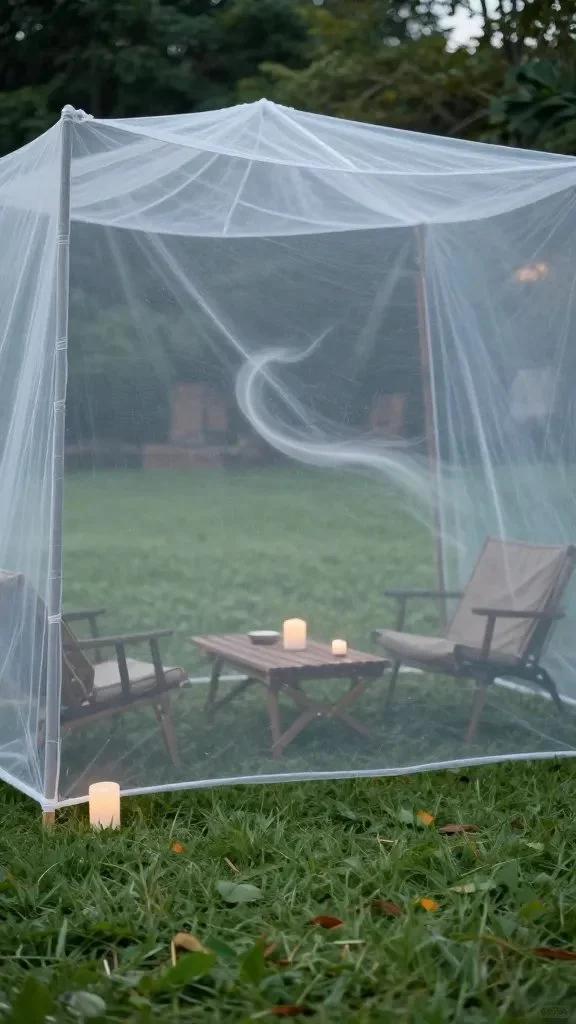
- Use netting over outdoor dining areas or beds when the mosquitoes are especially nasty.
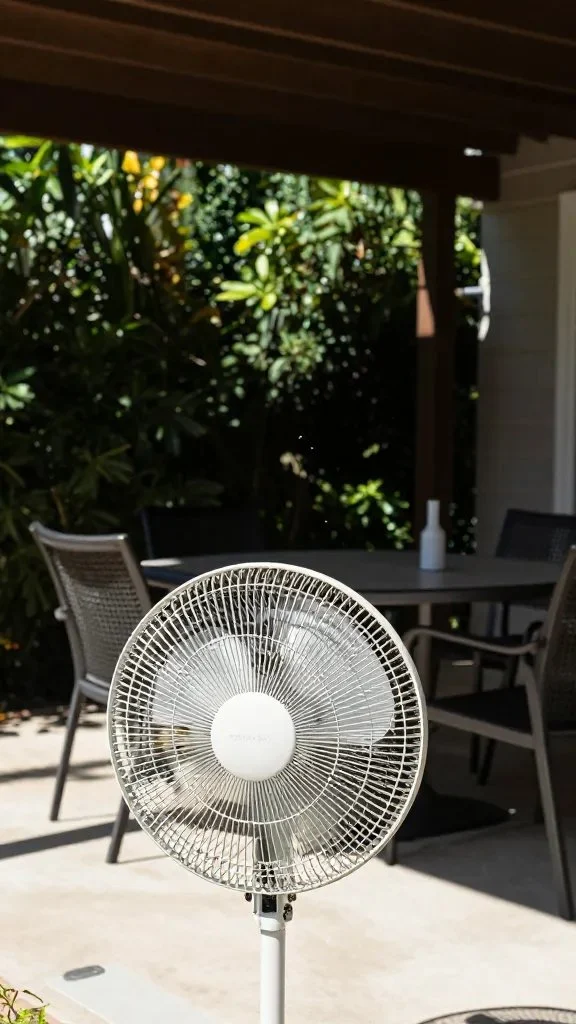
- Consider fans: yes, fans. A gentle breeze makes it hard for those little flappers to hover near you. Ceiling or standing fans on low can create a mosquito-free zone.
Natural repellents that don’t stink up the place
- Citronella and lemon eucalyptus candles and torches can help, but don’t rely on them as your sole defense—they’re best for small areas.
- Plant choices: basil, lavender, and marigolds smell nice to humans and are mildly off-putting to mosquitoes. Not a silver bullet, but hey, they’re pretty and fragrant.
- Essential oils sparingly: citronella, eucalyptus, and lavender oils can be used in diffusers or diluted with a carrier oil for skin. FYI, test for skin sensitivity first.
Trap and tackle: devices that actually reduce numbers
Sometimes you want a gadget that does the heavy lifting. Here are options that hobbyists and real folks alike have had success with.
CO2 and lure traps
- These attractants mimic human breath and warm skin. They work best in larger outdoor spaces or patios where a few traps can cover the area.
- Place them away from your seating area so the skeeters get lured away, not directly into your face.
Traditional mosquito zappers: yay or nay?
- They attract mosquitoes with light, but they also kill beneficial non-biting insects. Use them with restraint and place them away from where people hang out.
DIY traps you can whip up
- Milk-jars with sugar and yeast can release CO2 to attract mosquitoes. It’s a fun project but remember: they’re more about learning than solving a serious problem.
- Water and sugar bottles can trap some adults, but they’re not a guaranteed fix. Combine with other strategies for best results.
Personal protection that doesn’t ruin your vibe

How you dress and how you apply protection matters. You want you to be comfortable, not a walking chemical lab.
Skin protection that feels friendly
- Repellents with DEET or picaridin last longer for extended outdoor evenings. Follow label directions and reapply as needed.
- Oil of lemon eucalyptus (OLE) is an option for adults, but avoid for kids under three. Check the label for age guidance.
- Wear light-colored, long sleeves and long pants when you’re in mosquito-prone areas, especially at dawn or dusk.
What to wear and when
- For nights with a lot of activity, consider lightweight, breathable fabrics that cover more skin but don’t make you boil.
- Apply sunscreen first, then bug spray, to avoid friction and reapplication chaos.
Seasonal strategies: adjusting as mosquitoes adapt
Mosquito pressure isn’t the same all year round. It shifts with weather, rainfall, and nearby water features.
- Spring and early summer: seal growth, clean gutters, and start traps early so you don’t get blindsided by big populations.
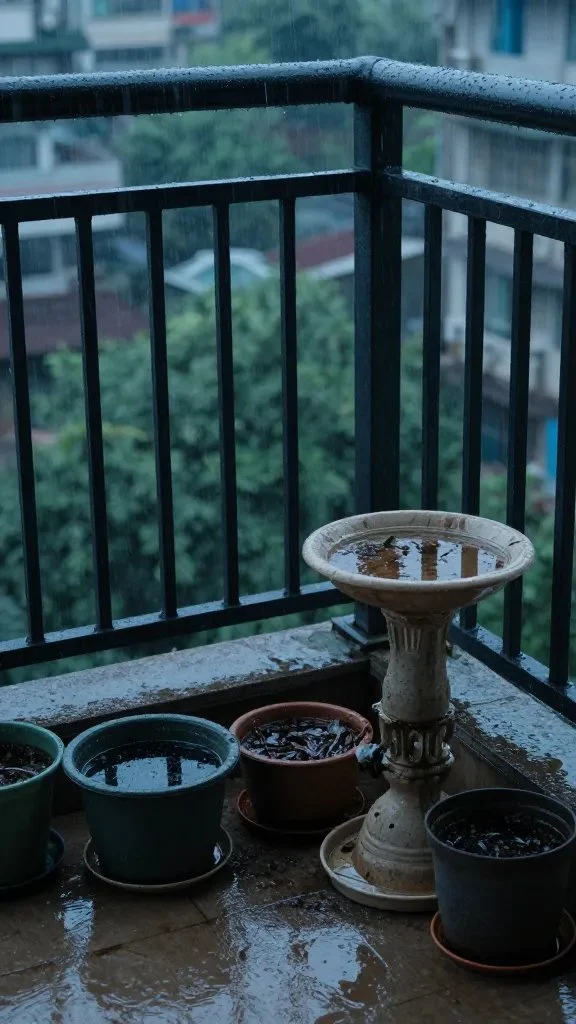
- Rainy seasons: check for new breeding sites after storms and empty containers that collect water.
- Dry spells: mosquitoes cluster around the last remaining water sources. Keep lids on water containers and refresh water regularly.
FAQ
Do mosquito nets really work indoors?
Yes. A fine-meshed net can keep mosquitoes out of beds and keeps your nighttime routine peaceful. Make sure the net is tucked under the mattress and has no gaps near doors or windows.
Can I use essential oils as a stand-alone solution?
Essential oils can complement other strategies, but they aren’t a guaranteed fix on their own. They work best when used in conjunction with screens, removal of standing water, and repellents with proven active ingredients.
Is there a one-size-fits-all repellent?
Nope. The best choice depends on your age, health conditions, and how long you’ll be outdoors. Read labels, and if you’re unsure, talk to a pharmacist or clinician about options like DEET, picaridin, or IR3535.
How long does it take to see results from yard cleanup?
Usually within a few days to a couple of weeks you should notice fewer mosquitoes buzzing around. Consistency is key—one big cleanup won’t last forever if you slip back into old habits.
Are mosquito traps worth the investment for a small balcony?
Traps can help a bit, but they’re not magic. For a balcony, focus on reducing breeding sites, using fans, screens, and personal repellents. If you’ve got a larger yard with visible standing water, a trap can be a helpful supplement.
Conclusion

Tackling mosquitoes is a mix of prevention, barriers, and smart protection. Start with removing standing water and dead spots, then layer on physical barriers and targeted repellents. A little planning goes a long way, and you’ll reclaim those warm evenings you almost forgot existed. IMO, consistency beats panic spray every time. If you stay on top of it, you’ll spend more time relaxing and less time swatting. Stay stubborn, stay mosquito-free.