
10 Sofa Color Ideas for a Stylish Living Room That Wow
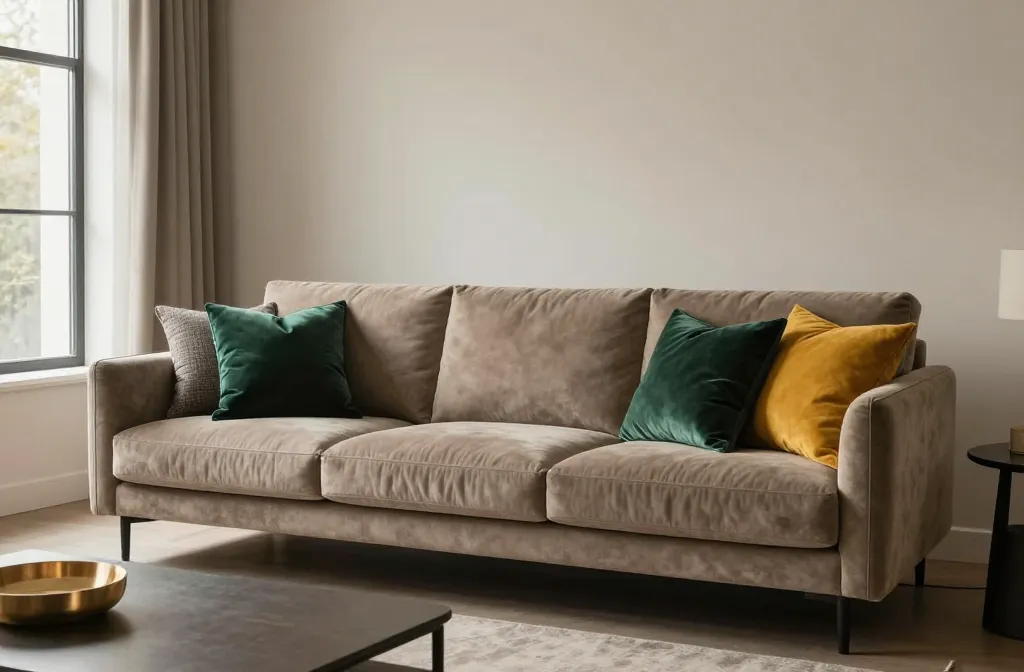
I’ll cut straight to the chase: a sofa can make or break a living room vibe. You want something that looks stylish without screaming for attention. These 20 color ideas keep things fresh, modern, and endlessly practical.
Choosing the right Sofa Color Ideas for a Stylish Living Room can instantly elevate the vibe and make your space feel cohesive and inviting
1.Bold basics: neutrals with a twist
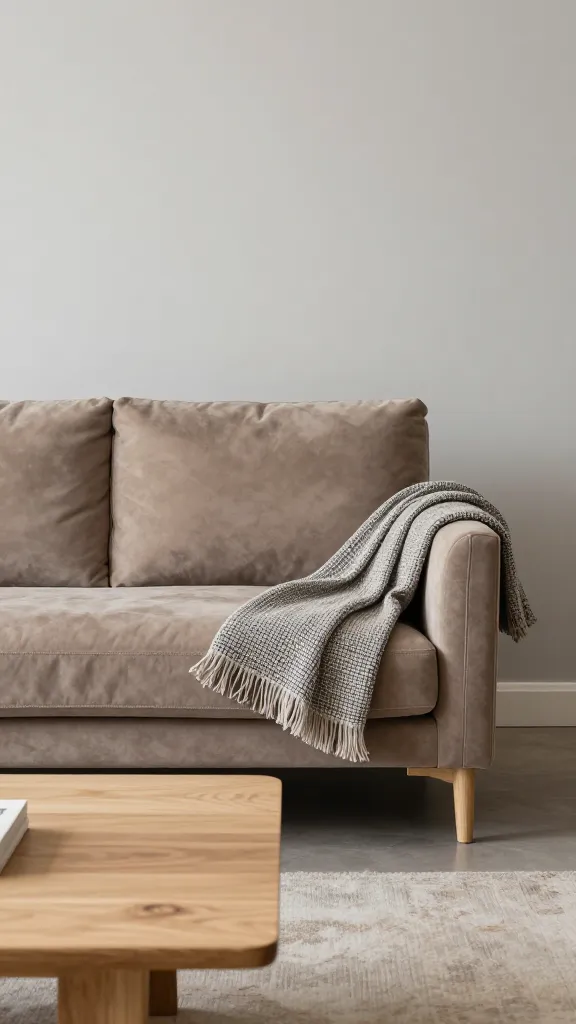
Neutral colors never go out of style, but they don’t have to be boring. A warm taupe sofa with clean lines can anchor any room, while a pop of texture keeps it interesting.
– Think taupe, greige, or soft camel. These hues play nice with almost any wall color.
– Add texture through fabric choice—velvet, linen, or tweed adds dimension without color drama.
– FYI: If you want a cozy, inviting vibe, lean into warmer neutrals. If you want a crisp, modern look, cool neutrals work better.
2.Smarter color pairing: monochrome harmony
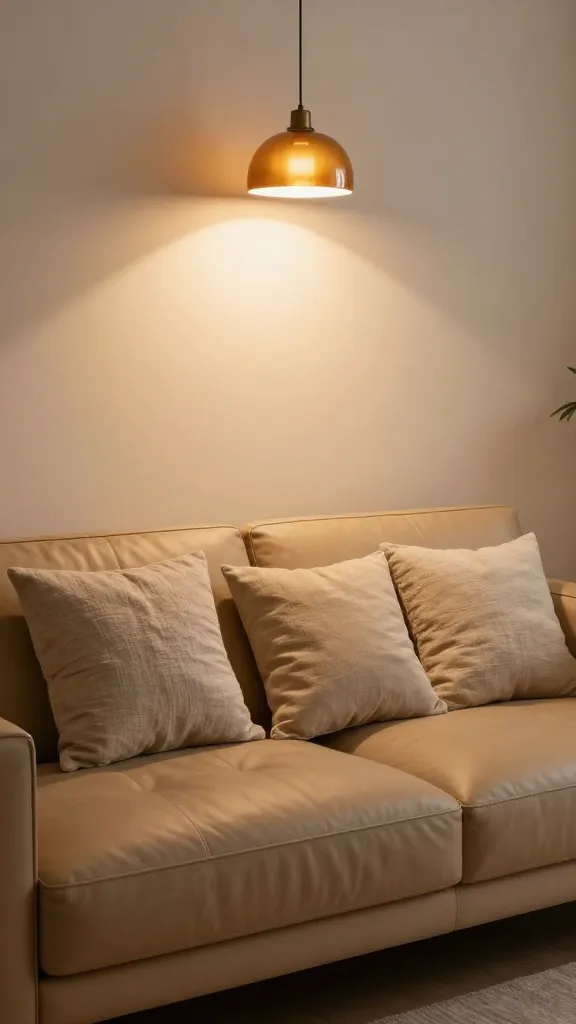
A monochrome palette feels intentional and chic, especially when you mix different shades of the same color family.
– Pick one base color and vary its intensity across cushions, throws, and decor.
– Use lighter tones for walls and darker tones for the sofa or accents to create depth.
– Pro-tip: add a metallic or wood accent to prevent the look from flattening.
3.Playful pops: bold colors that actually work
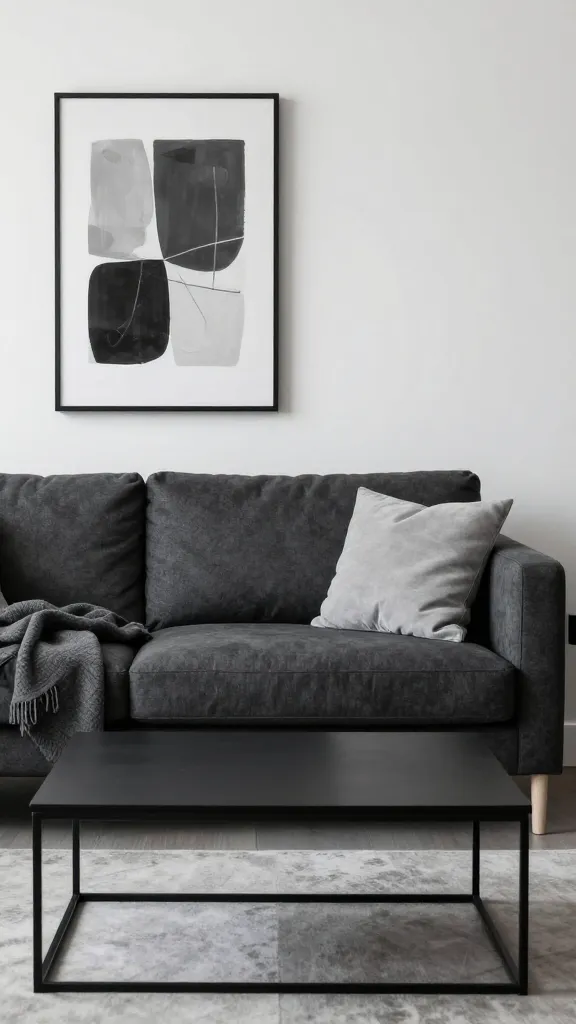
If you’re not afraid of a little drama, a boldly colored sofa can steal the show—in a good way.
– Emerald green, royal blue, or mustard yellow combo instantly upgrades a space.
– Balance it with neutral walls and light accents to keep the room from feeling loud.
– Want flexibility? Choose a bold sofa in a durable, stain-resistant fabric for practical peace of mind.
4.Pastel perfection: soft, breathable vibes
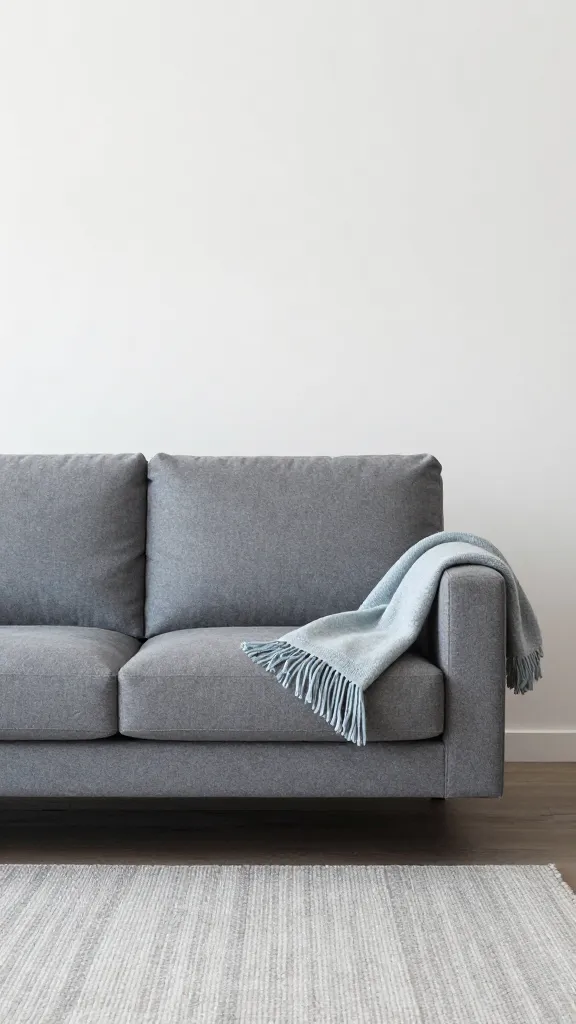
Pastels are making a quiet comeback, especially in sunlit living rooms.
– Powder pink, sage, or baby blue sofas look welcoming and cozy.
– Pair with natural woods and lots of greenery for a fresh, airy feel.
– Surprise bonus: pastels photograph beautifully, making your space feel bigger.
5.Earthy tones: nature-inspired calm
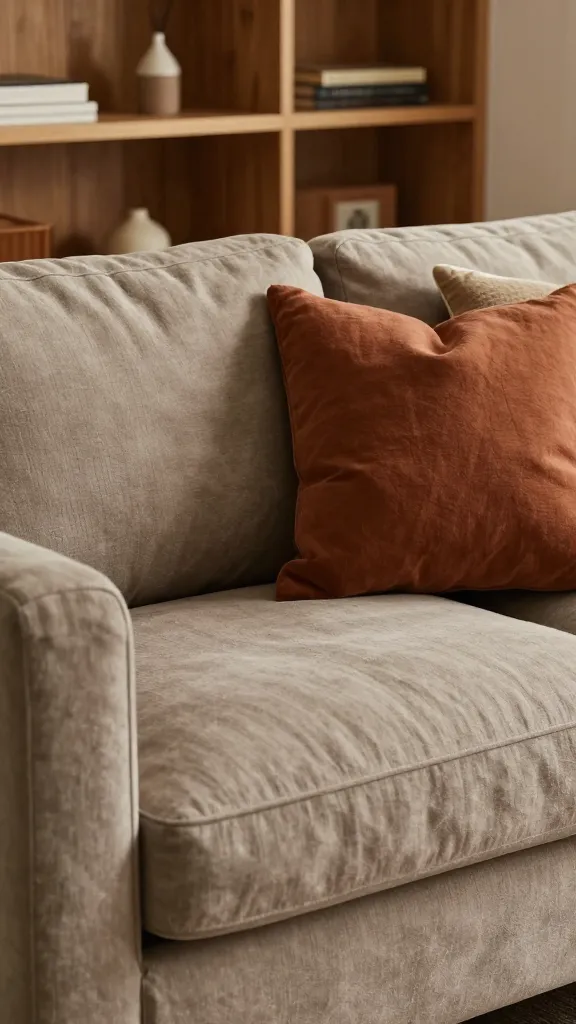
Earthy hues bring a grounded, restorative mood to any room. Think terracotta, olive, and stone.
– These shades pair well with warm woods and woven textures.
– Add a live plant or two to reinforce the nature vibe and soften edges.
– Want a subtle twist? Mix two earthy tones—like olive sofa with a stone-gray wall.
From bold jewel tones to neutral shades, these Sofa Color Ideas for a Stylish Living Room help you create a perfect balance between style and comfort
6.Two-tone magic: split ideas without the drama
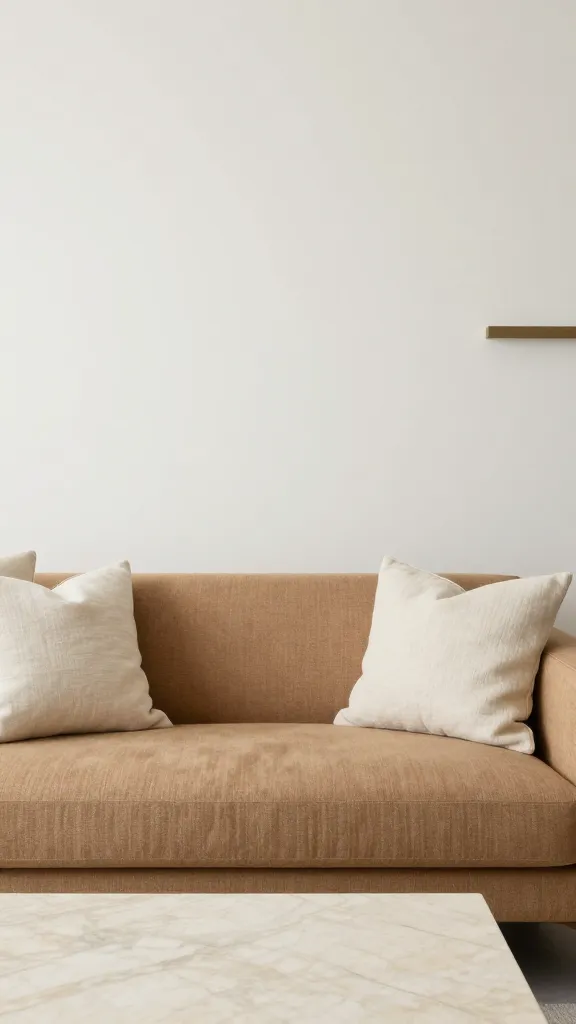
Two-tone sofas can look incredibly polished if you arrange them thoughtfully.
– Consider a lighter base with a darker back or arms for contrast.
– Use cushions to introduce additional color without overwhelming the eyes.
– Pro-tip: keep two-tone schemes consistent with other furniture to avoid visual chaos.
7.Metallic accents: little shine, big impact
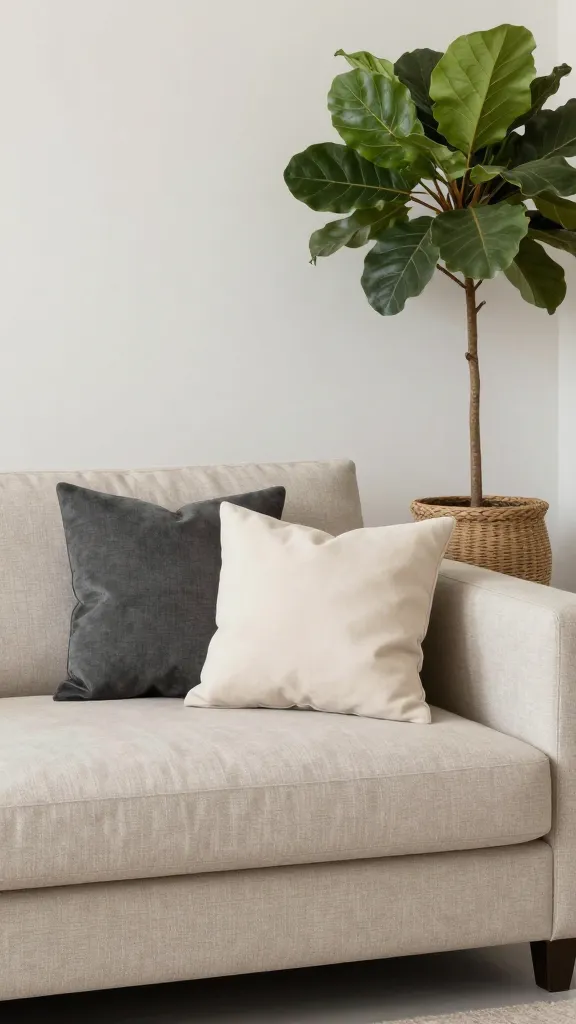
Metallic threads or sheen in fabrics can add instant sophistication.
– Consider a fabric with a subtle sheen in navy, charcoal, or deep green.
– Complement with brushed brass or polished nickel hardware in the room.
– FYI: Too much shine can feel loud—balance with matte walls and soft textiles.
8.Seasonal switch-ups: rotate with the weather
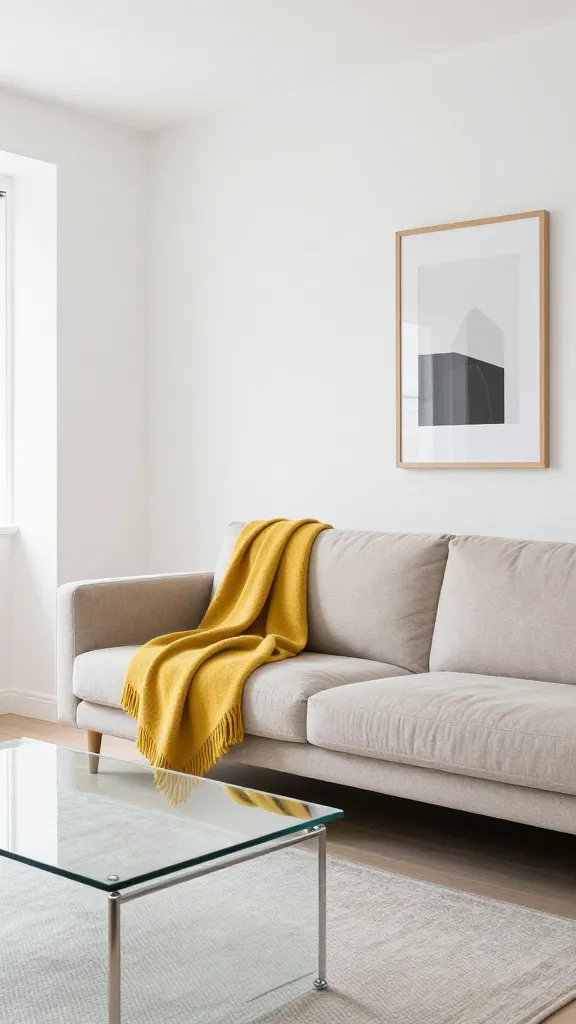
Color is a great tool for signaling mood shifts across seasons.
– In spring, go lighter with creams, soft greens, and pale blues.
– In fall, lean into warm terracotta, burnt orange, or chocolate brown.
– Use removable or throw cushions for easy updates without reupholstering.
9.Texture-based color tricks: color through fabric
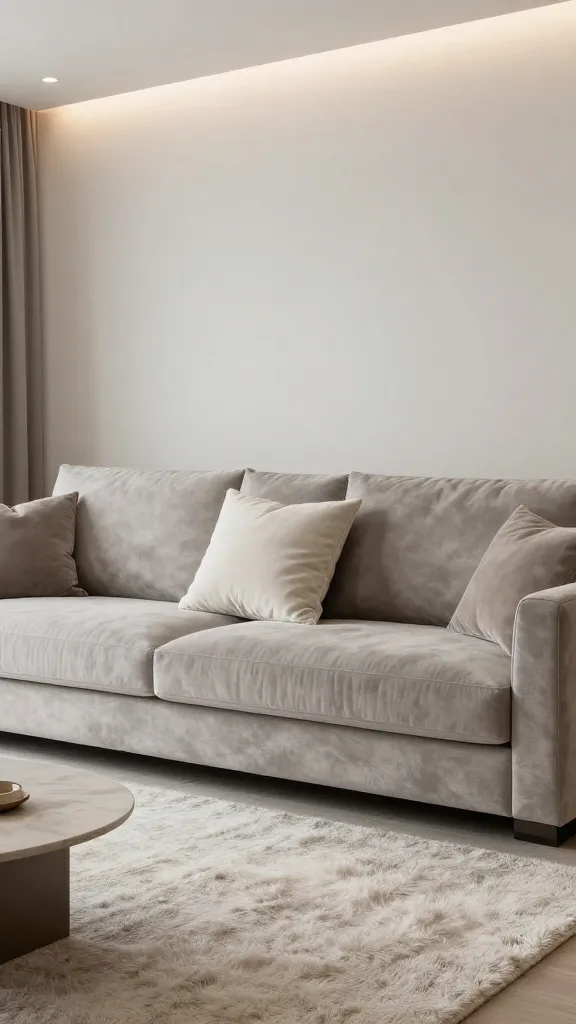
Your sofa color isn’t just about pigment—it’s about texture.
– Velvet in jewel tones reads luxe; boucle or seam-detail fabric adds depth.
– Mix fabrics on the same sofa to create a layered look without changing color.
– Pro-tip: a textured throw or rug can anchor a bold sofa color beautifully.
10.Practical color psychology: how color affects mood
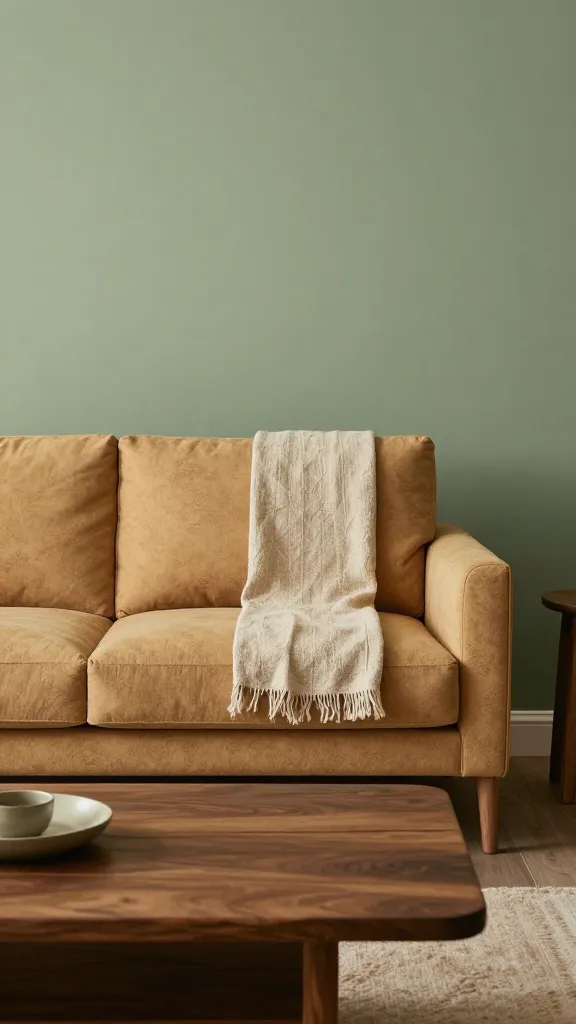
Color isn’t just decorative; it shapes how you feel in the room.
– Blues and greens tend to be calming—great for living rooms used for relaxing.
– Warm tones like terracotta and mustard spark energy and sociability.
– IMO, you should pick a color that echoes how you want to live in the space.
Subsection: How to test a color before you commit
– Paint a swatch on the wall and observe it under different lighting.
– Clip fabric samples to the sofa frame and sleep on it for a night; you’ll notice subtle shifts.
– Try movable cushions in your top 2-3 color choices before upholstering.
How to consider room size and light when choosing color
Room dimensions and light play a big role in how colors read.
– Small rooms benefit from lighter colors because they reflect more light.
– North-facing rooms often feel cooler; warmer sofa tones can offset that.
– If you have limited natural light, avoid very dark colors that swallow brightness.
Subsection: Lighting matters even more than you think
– Warm bulbs can shift cool colors toward cozy; cool bulbs can make warm colors seem sharper.
– Use a mix of overhead, floor lamps, and table lamps to keep color true across time of day.
FAQ
Will a bold sofa color overpower a small room?
A bold sofa can work in a small space when you balance with lighter walls, minimal pattern, and clutter-free surroundings. Let the sofa be the star, then keep other large surfaces quiet.
What fabric is best for color longevity and practicality?
Performance fabrics like tight-weave textiles, microfiber, or synthetic blends often resist stains and wear well. Velvet looks lush in color but can show wear more quickly if you have kids or pets. Consider your lifestyle before committing.
How many colors should I bring in with a colored sofa?
Aim for a cohesive palette: three to five colors across cushions, rugs, and decor. Use one dominant accent color, a secondary supporting hue, and one or two neutrals to balance everything out.
Is it worth buying a custom-colored sofa or should I stick to standard options?
Custom colors offer endless personalization, but standard colors are usually more budget-friendly and easier to replace if you change your mind. If you’re in love with a specific shade, go for it—but be prepared for a longer lead time or higher price.
How do I mix patterns with a colored sofa without clashing?
Choose patterns that share a common color or scale. If your sofa is bold, keep pillows within a similar color family and vary scale—think large cushions with smaller prints.
Conclusion
Color is a conversation starter, not a trap. A well-chosen sofa color sets the tone for the whole room, and you can switch up the vibe whenever you want with simple accessories. Whether you lean classic neutrals or crave a pop of daring color, these ideas help you design a living room that feels uniquely you. So go ahead—pick a color, test it out, and invite friends to admire your stylish, comfy space.