
19 Outdoor Play Area Ideas for a Creative and Beautiful Backyard Design: Tiny Oasis
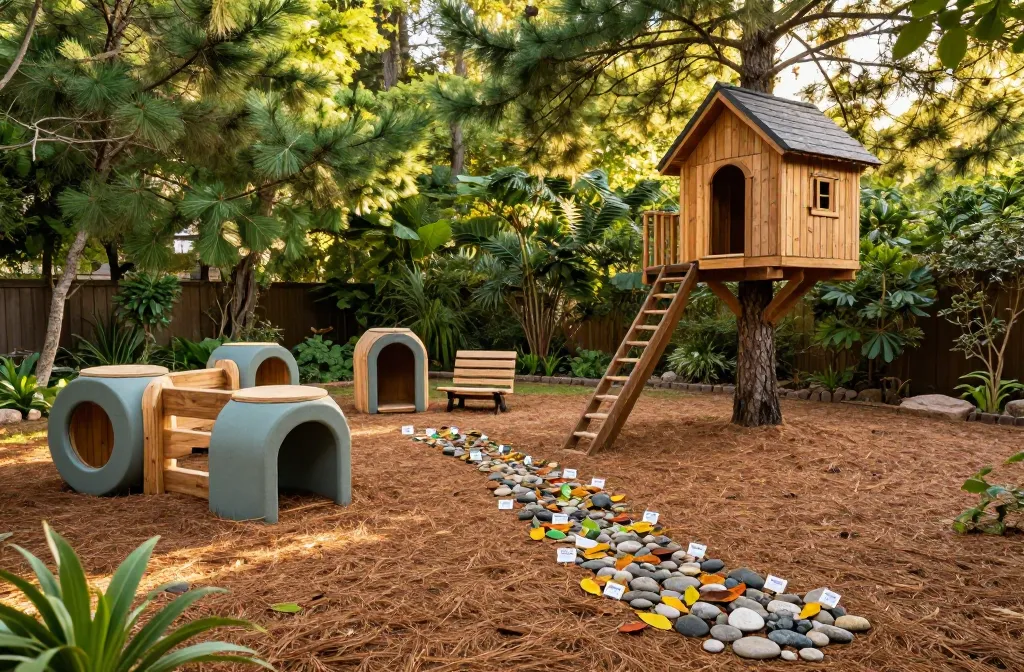
The backyard is your canvas, and outdoor play is the paint. If you’re itching to design a space that sparks imagination while staying practical, you’re in the right spot. Let’s dream up 19 outdoor play area ideas that blend beauty with function and make every sunny afternoon feel like a mini adventure.
1. A modular play zone you can grow with
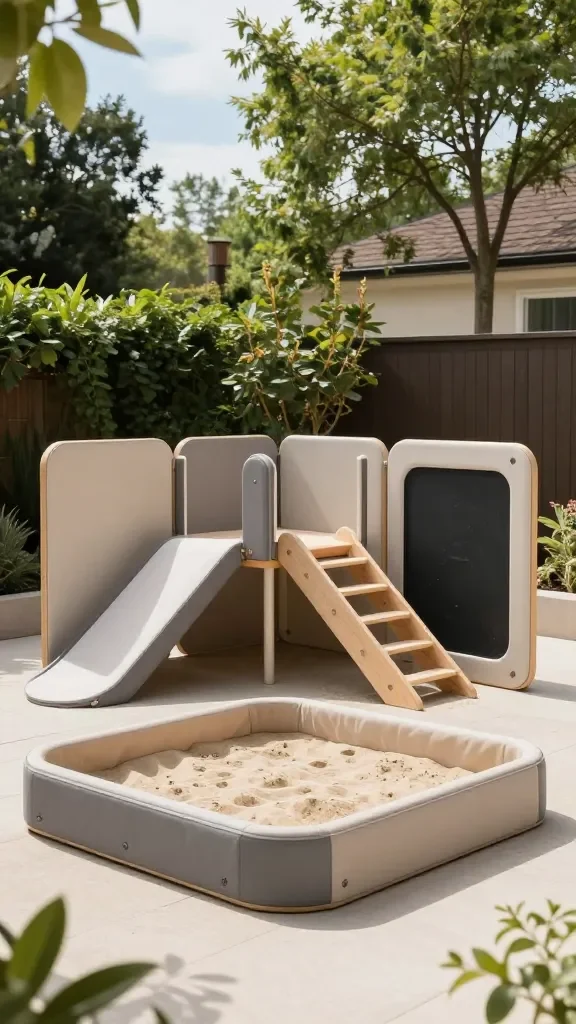
Children evolve, and so should their backyard. Start with a simple sandbox or a low climbing structure and add elements as they grow older. The beauty lies in flexibility—moveable panels, portable chalk boards, and lightweight picnic tables that double as shade-friendly corners for reading.
– Why it works: you get instant design cohesion without overdoing it.
– Tip: keep safety in mind with rounded edges and soft ground cover.
2. A treehouse that doubles as a backyard headquarters
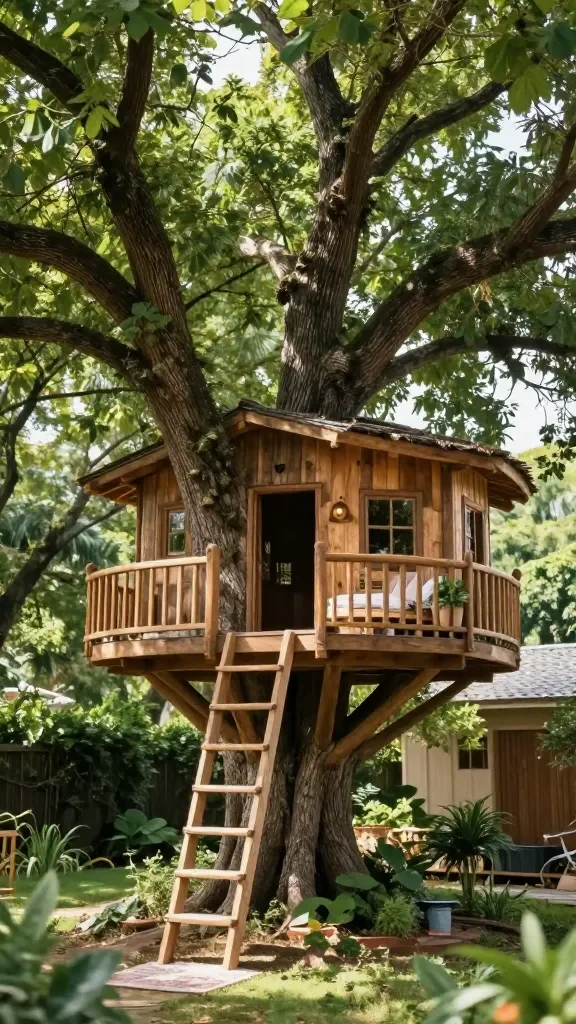
If you’re lucky enough to have a sturdy tree, a treehouse can be the centerpiece of your design. It’s not just a play space—it becomes a retreat for kids and a quirky focal point for adults.
– Consider height, railing safety, and a small ladder that’s easy for little ones.
– Add a tiny balcony for dramatic pretends and a secret door for hide-and-seek fans.
3. Nature’s playground: a mini forest and scavenger trail
Turn parts of your yard into a natural play zone. Plantiber-friendly shrubs, create a pine-needle path, and tuck in a scavenger trail with labeled leaves, pinecones, and smooth river stones.
– Benefits: sensory discovery, quieter play, and a burst of color year-round.
– Quick setup: a chalk-drawn scavenger map visible from the patio makes it easy to guide exploration.
4. Water-wise fun: splash zones and mini ponds
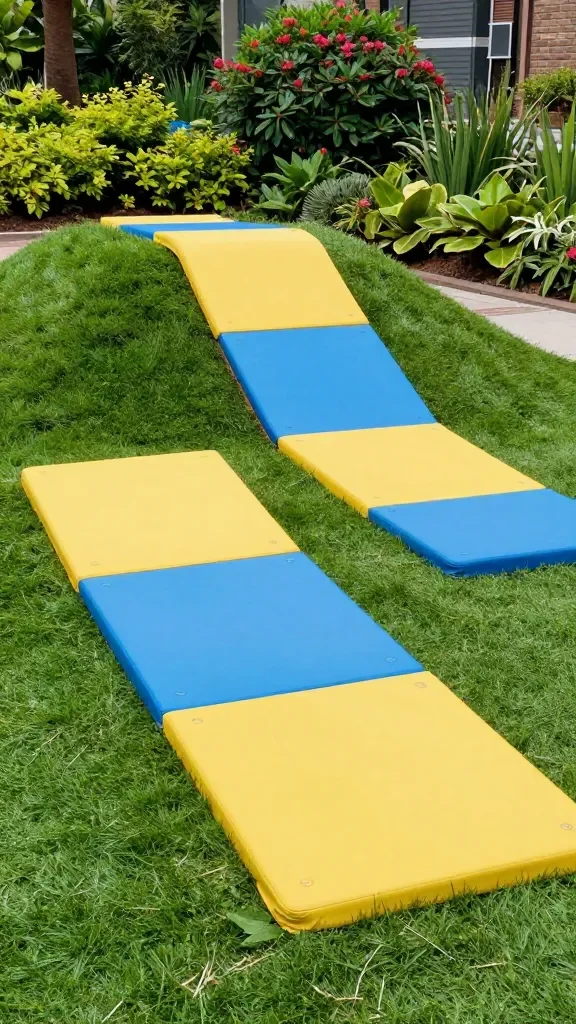
Water play is magical, but keep it practical. A shallow splash pad or a small, shimmery pond feature can be incredibly engaging and low-maintenance with the right setup.
– Safety note: always supervise and consider non-slip surfaces around wet areas.
– FYI: add a waterproof play shelf nearby for toy storage and towels.
5. Cozy corners: hidden nooks for imaginative play
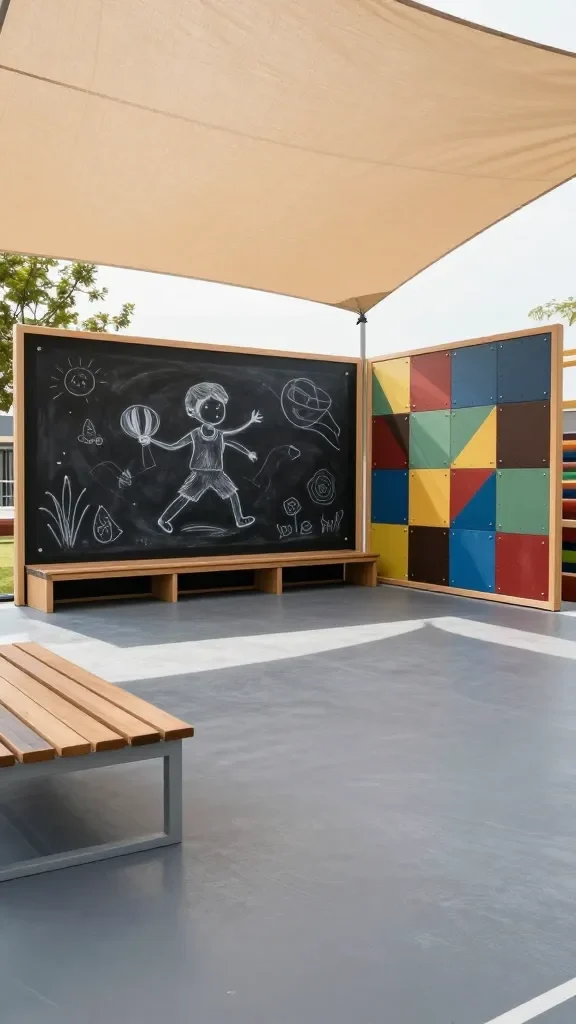
Create intimate nooks that feel like little worlds. A teepee, a canvas canopy, or a built-in bench with cushions can transform a corner into a reading retreat or pretend café.
– Pro move: paint the nook in a bold accent color to make it pop without clashing with the rest of the yard.
– Question to ask yourself: does this space invite kids to linger and imagine?
6. Outdoor sensory station: textures, sounds, and scents
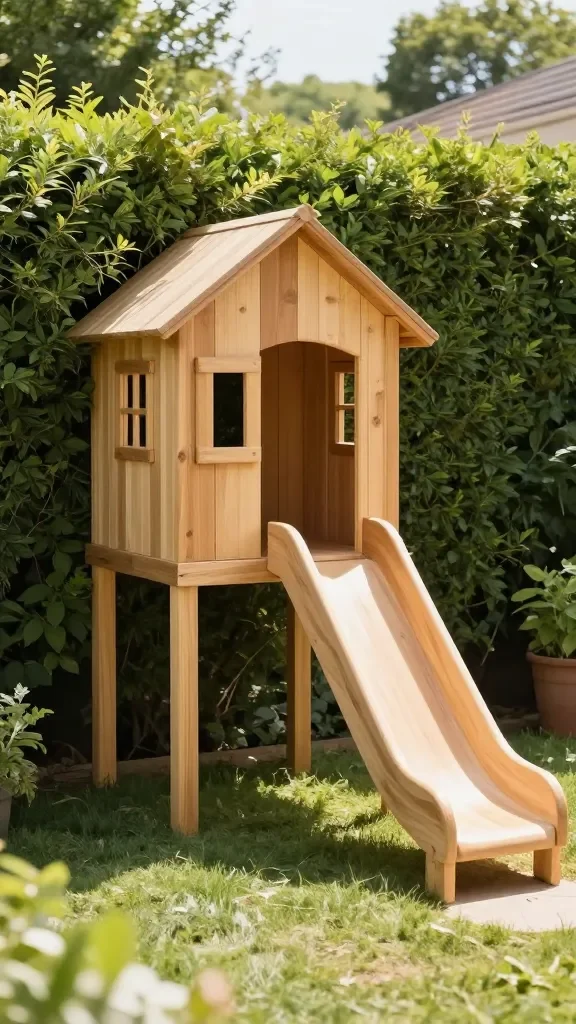
Set up a dedicated area with materials that engage the senses: a beanbag seating circle near a herb patch, wind chimes, a panel with different textures (bark, smooth stones, rough rope).
– Why it matters: sensory play boosts curiosity and language skills.
– Quick list of ideas: a texture wall, a small water wheel, and a scent garden with mint, lemon balm, and lavender.
7. Built-in slides and climbers: safety-first thrills
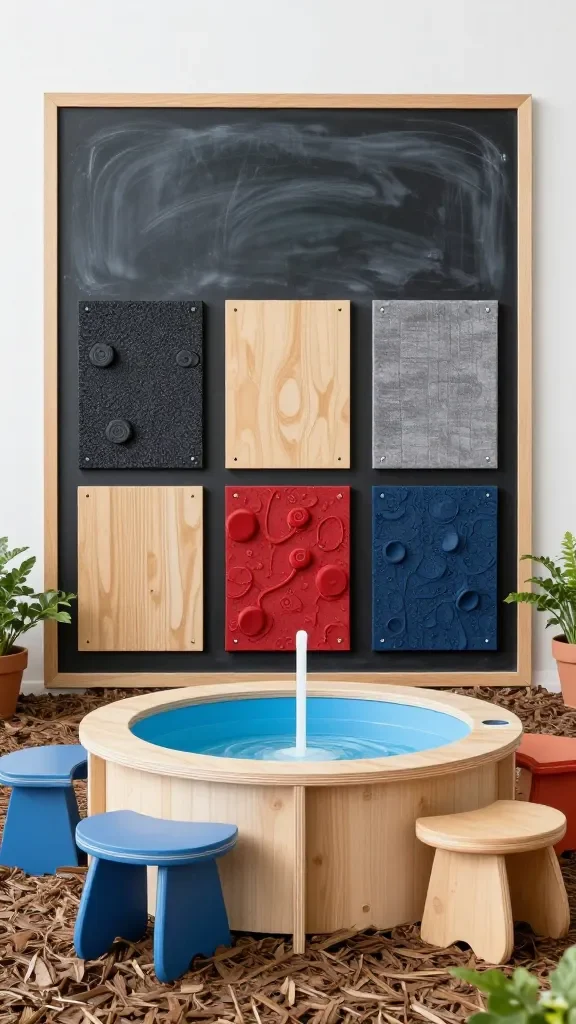
A sturdy slide or climbing wall can be the star of your design. Choose equipment rated for the age range and ensure soft ground cover underneath.
– Options: a gentle, curving slide for little ones or a taller wall with holds for older kids.
– Maintenance tip: check bolts annually and keep the area clear of trip hazards.
7.1. Design tips for slides and climbers
– Integrate seating nearby for caregivers to relax while keeping an eye on the action.
– Use contrasting colors to help kids judge distances and edges.
8. Shady sanctuaries: sun-safe play zones
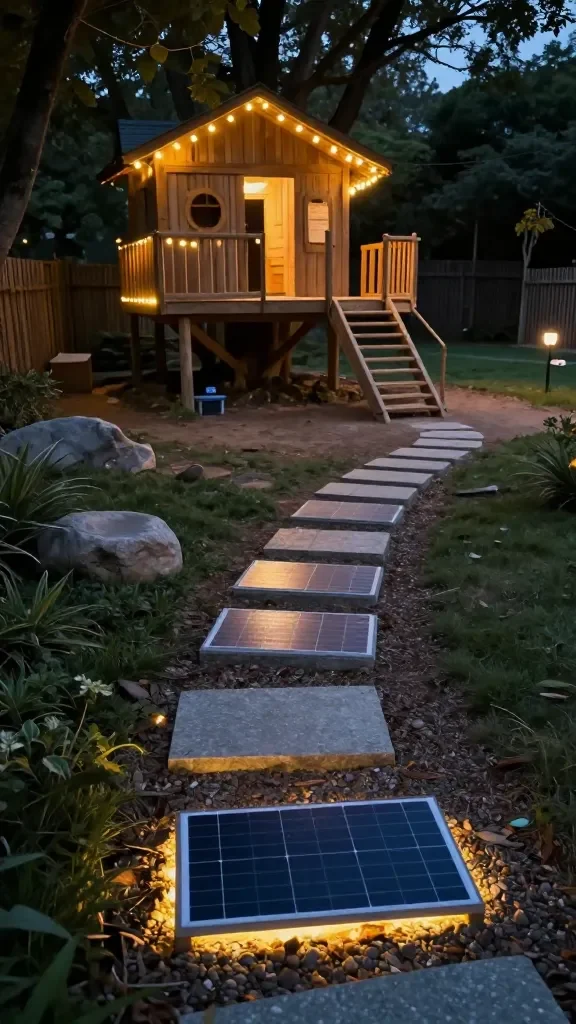
Shade is not optional; it’s civilization in the backyard. Incorporate pergolas, large umbrellas, or a leafy canopy to cool play zones and protect little skin from the sun.
– Material notes: composite decking and shade sails hold up well in sun and rain.
– Bonus: add a ceiling fan or misting system for hot afternoons (it’s basically luxury).
9. Art corners: outdoor creativity hubs
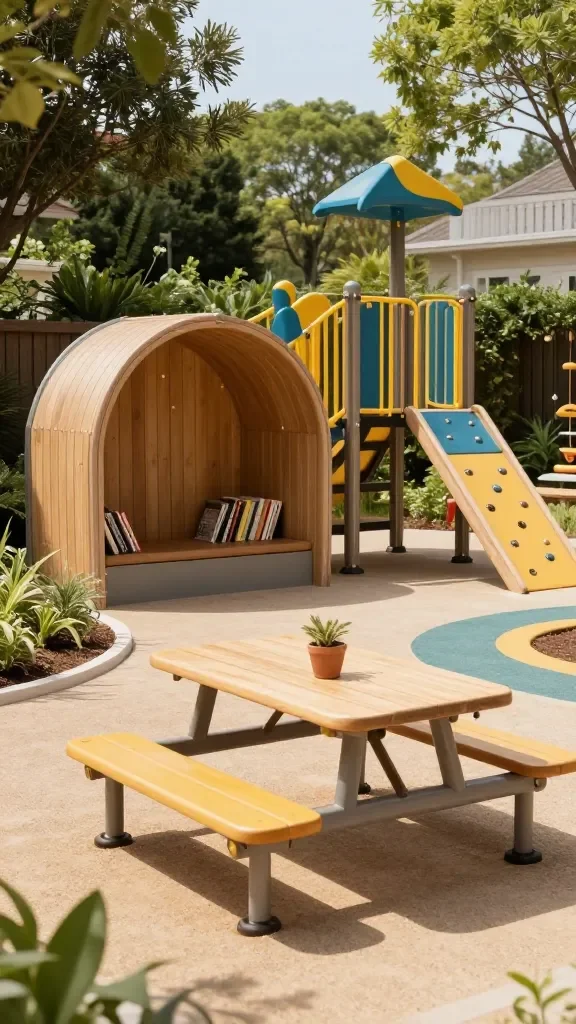
A spill-friendly easel, chalkboard wall, and ceramic-safe outdoor paints turn your yard into a studio. Keep a weatherproof storage bin for brushes, paints, and papers.
– Tip: use magnetic paint on a fence panel for quick art swaps.
– Pro move: seal the art with a UV-protective varnish so masterpieces don’t fade.
10. Fire-safety cozy zone: controlled warmth for chilly evenings
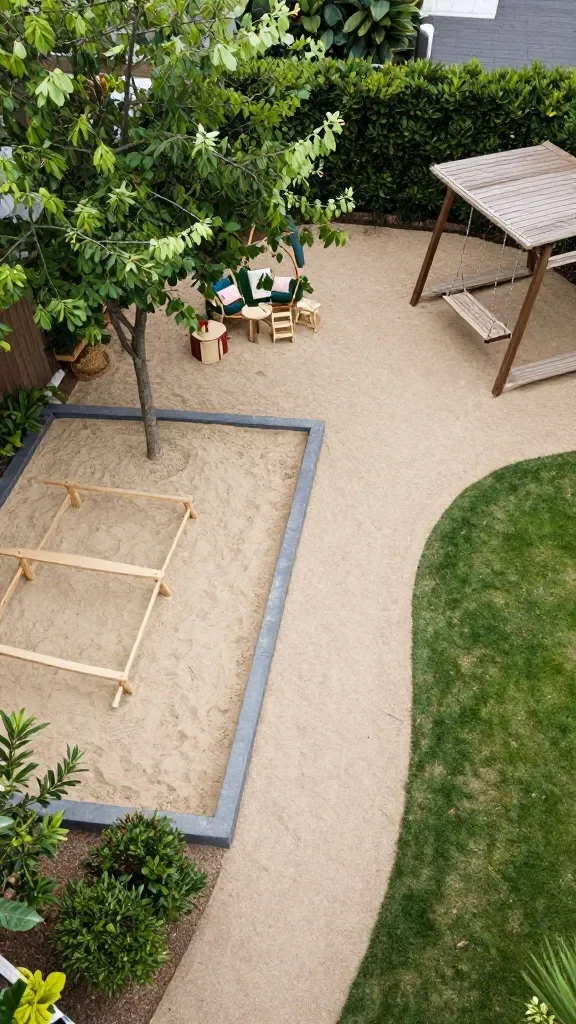
A small, contained fire pit set safely away from plants and toys gives you extra playtime when the sun dips. Add a few heatproof stools and a blanket bin.
– Important: check local regulations and always supervise.
– Alternative: a low-heat portable heater or a solar-lit outdoor lantern corner for ambiance.
11. The bike-and-scoot track: motion-friendly paths
Lay down a smooth, winding path for bikes, scooters, or roller skates. Use stepping stones, chalk-drawn routes, or painted lines for a playful map.
– Safety tip: keep the path away from seating areas and water features.
– Bonus: sneak in a tiny “pump track” outline with soft edges for novice riders.
12. Quiet study nook under a trellis
When the kids crave calm, a shaded study nook with a weatherproof desk, a bench, and solar lanterns can be magical. It’s not just for homework—imagination thrives in peace.
– Accessory ideas: a corkboard with magnetic strips, mini baskets for supplies, and a small garden beside it for hands-on science projects.
13. Raised beds as play elements
Raised garden beds aren’t just for vegetables; they become hands-on playground features. Kids can plant, dig, and harvest while you sneak in a lesson about bugs and soil.
– Make it interactive: label each plant with a fun fact and invite kids to care for a corner.
– Extra: install a low watering can and a funnel for budding gardeners.
13.1. The “grow-with-me” garden
– Start with easy-to-care-for herbs and fast-growing greens.
– Change out plant labels as kids grow—add science notes or a small chart tracking growth.
14. Transit-and-tell zones: storytelling pathways
Create pathways that lead to different “stations” around the yard. Each station hosts a tiny prompt or prop for imaginative play—think a pirate ship corner, a zoo enclosure, or a rocket launch pad.
– How to pull this off: pick a few clear themes and keep props lightweight and easy to move.
– FYI: rotate prompts every season to keep it fresh.
15. Flexible furniture for grown-ups too
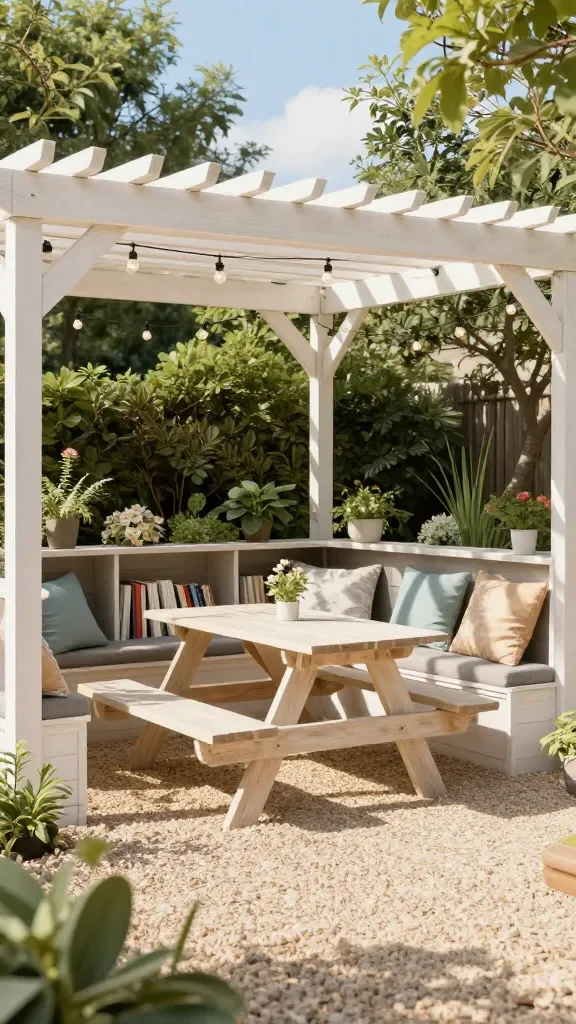
Outdoor seating isn’t just for adults babysitting. A modular set with a bench, ottomans, and a low table invites kids to join in on picnics, crafts, or impromptu tea parties.
– Make it kid-friendly: choose washable fabrics and cushions with removable covers.
– Tip: add a waterproof storage box for toys, blankets, and outdoor games.
16. Color harmony and visual storytelling
Let color be your secret weapon. Pick a cohesive palette and repeat it across features—planters, cushions, and signage—to knit the space together.
– Why it matters: a unified color story makes the yard feel intentional rather than chaotic.
– Quick palette hack: choose three main colors and two accent hues.
17. Lighting that invites after-dusk play
Soft lighting extends playtime and adds drama. Use string lights, solar path lights, and lanterns to create a magical glow without overdoing it.
– Safety note: avoid glare into eyes and keep cords out of walking zones.
– Bonus: color-changing LEDs for a mood shift when you want a galaxy vibe.
18. Storage that actually works
A tidy yard stays charming. Invest in weatherproof storage solutions that blend with the design: deck boxes, hanging bins, and a small shed that doesn’t scream “storage unit.”
– Pro tip: keep a “play kit” bin with a few favorite toys, a splash of water toys, and a couple of books.
– FYI: label bins with simple pictures for quick cleanup.
19. Maintenance mindset: easy cleanup and long-lasting materials
No design sticks if it’s a nightmare to care for. Choose durable, low-maintenance materials and plan for simple cleaning routines.
– Materials to love: textured concrete, powder-coated steel, and cedar that ages gracefully.
– Routine round-up: a quick seasonal check of anchors, a sweep of leaves, and a refresh of cushions.
How to prioritize 19 ideas without losing your mind
– Start with safety first: soft ground, shaded zones, and sturdy structures.
– Pick 3 anchor features: a treehouse, a water feature, and a simple play zone.
– Leave room for evolution: design spaces that invite new toys and themes as kids grow.
That perfect layout: flow and balance
– Create zones that feel distinct but connected: a quieter corner near a reading rug, a vivid splash zone near the garden.
– Use sightlines: keep an eye on the playground from the kitchen or living room for easy supervision.
Budget-friendly swaps that still look great
– Swap in secondhand finds with a fresh coat of paint.
– DIY projects like painting a chalkboard wall or building simple planters give big payoff without big price tags.
FAQ
What’s the best starting point for a creative backyard plan?
Start with a few must-haves: safety, shade, and at least one playful feature (like a treehouse or splash zone). Then sketch zones on paper or with string and spray paint to visualize how kids will move through the space.
How do I choose durable, kid-friendly materials?
Look for covered or treated wood, powder-coated metals, and UV-resistant fabrics. Prioritize ground coverings that cushion falls—think mulch, rubber padding, or foam tiles. FYI, avoid sharp corners and upright edges that kids can snag on.
How can I maintain a magical vibe without breaking the bank?
Focus on a few statement pieces and keep the rest flexible. Paint is cheap and transformative, while modular furniture grows with your family. Don’t underestimate the charm of string lights and simple plants to elevate the mood.
How can I involve kids in the design?
Ask for their favorite themes and let them sketch the layout. Give them simple choices—two color palettes or two possible locations for a feature—and let them pick. You’ll be surprised how excited they get to “help plan the backyard” and how much they’ll actually use it when they feel ownership.
What about seasonal care and safety?
Plan for weather changes: waterproof cushions, covered storage, and shade that lasts. Check playground equipment annually for stability, clean filters on water features, and ensure pathways stay clear of debris so nobody eats a trip in the night.
Conclusion
Your backyard deserves to be a living, breathing playground that looks beautiful and feels welcoming. With these 19 ideas, you’ve got a roadmap that balances creativity and practicality. Ready to sketch, shop, and start turning your space into a neighborhood favorite? IMO, the fun is just around the corner—and for once, the kids aren’t the only ones who’ll be excited to play outside.