
9 Mid Century Modern Living Room Design: Timeless Vibe Unleashed
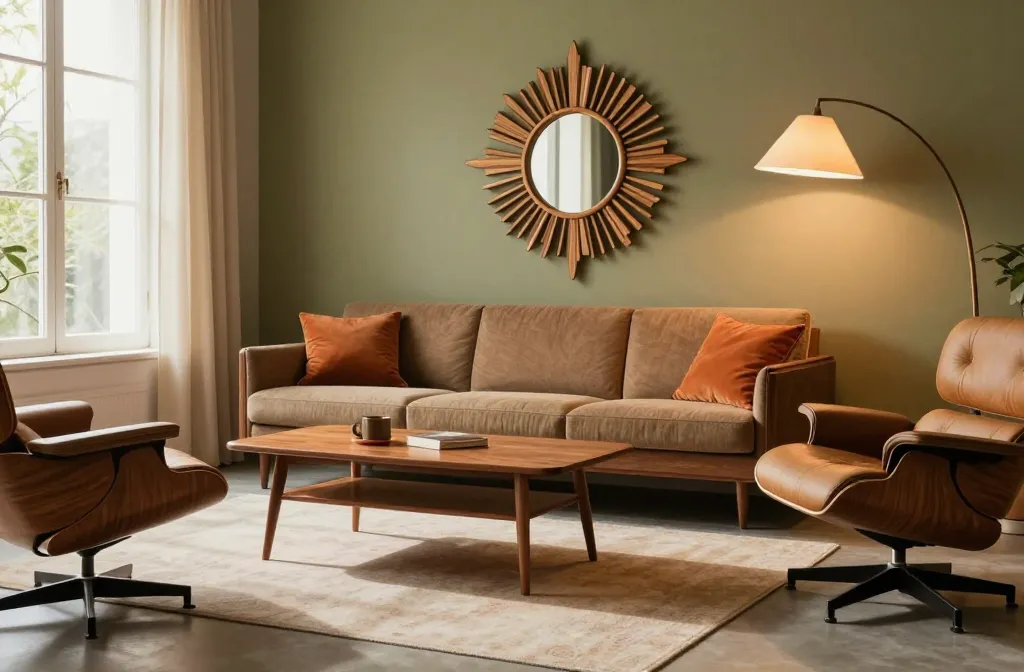
In 15 shots, you can transform a living room from “meh” to a mid-century magnet. Think clean lines, warm woods, and furniture that actually invites you to sit down for a coffee you’ll pretend to adore even if you spill it. Let’s dive into the timeless charm of mid-century modern living rooms without the pretentious vibes.
These Mid Century Modern Living Room ideas help you create a stylish, balanced, and inviting space inspired by classic modern design.
1.What makes mid-century modern so irresistible
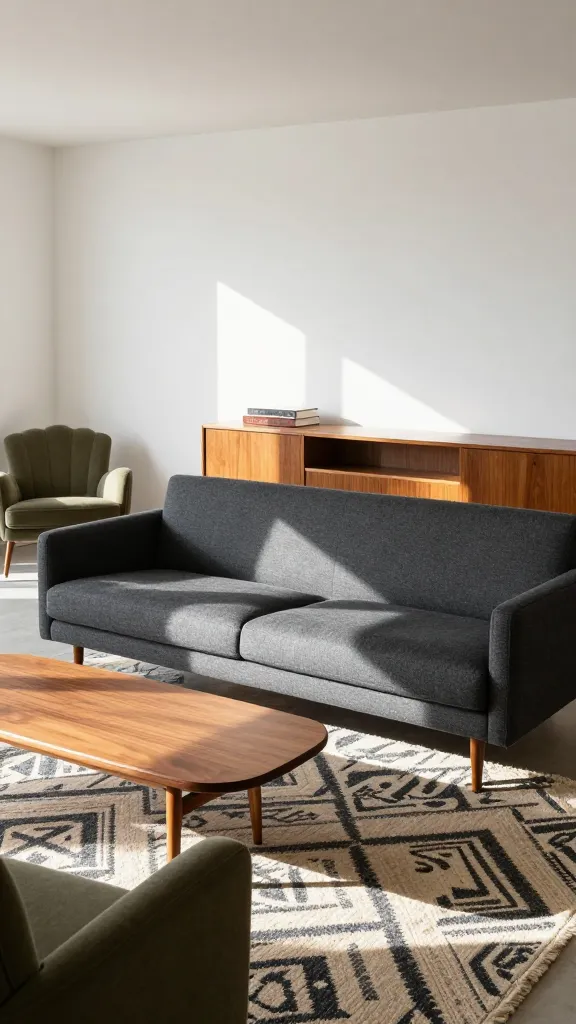
Mid-century modern (MCM) isn’t just a design trend; it’s a vibe. It blends form and function with a wink and a nod to the future. Clean silhouettes, organic shapes, and clever use of materials like teak, walnut, and molded plastic create spaces that feel both nostalgic and fresh. FYI, the era was all about simplicity with personality, not boring minimalism.
2.Key elements to nail the look
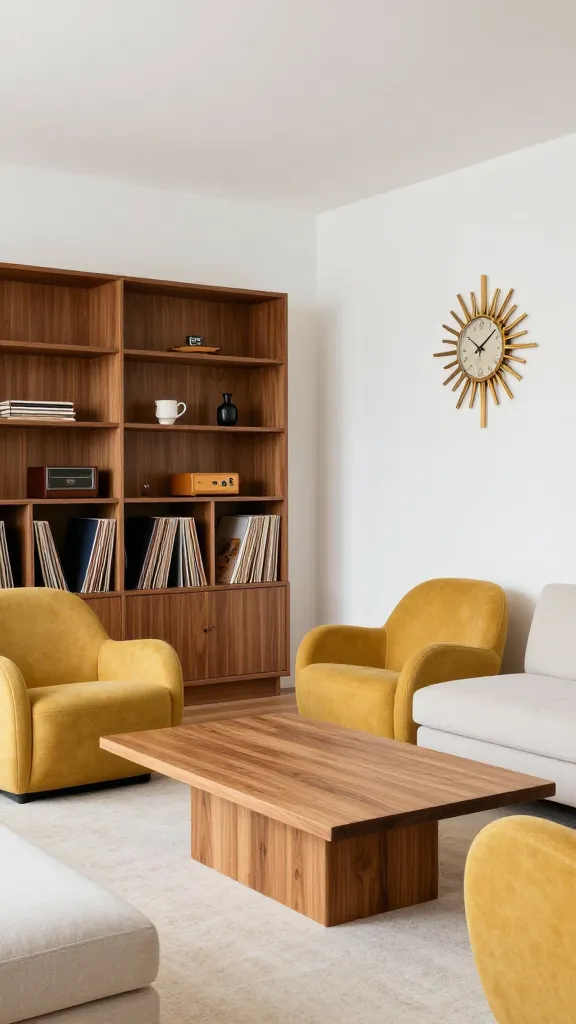
- Sleek silhouettes: Low-profile sofas, tapered legs, and straight lines dominate. They’re elegant without shouting for attention.
- Warm wood tones: Teak and walnut add warmth and character. Natural wood grain = texture without clutter.
- Bold accent pieces: Think a secretary desk, an Eames lounge chair, or a sunburst mirror. Statement pieces, not a forest of decor.
- Functional lighting: Arced floor lamps, pendant fixtures, and wall sconces that actually light up the room (and look good doing it).
- Color that doesn’t scream: Muted oranges, olive greens, mustard yellows, and ocean blues pop without shouting.
- Texture and pattern: Layer in textiles with geometric patterns and a tactile rug to ground the space.
3.Furniture: pieces that tell the
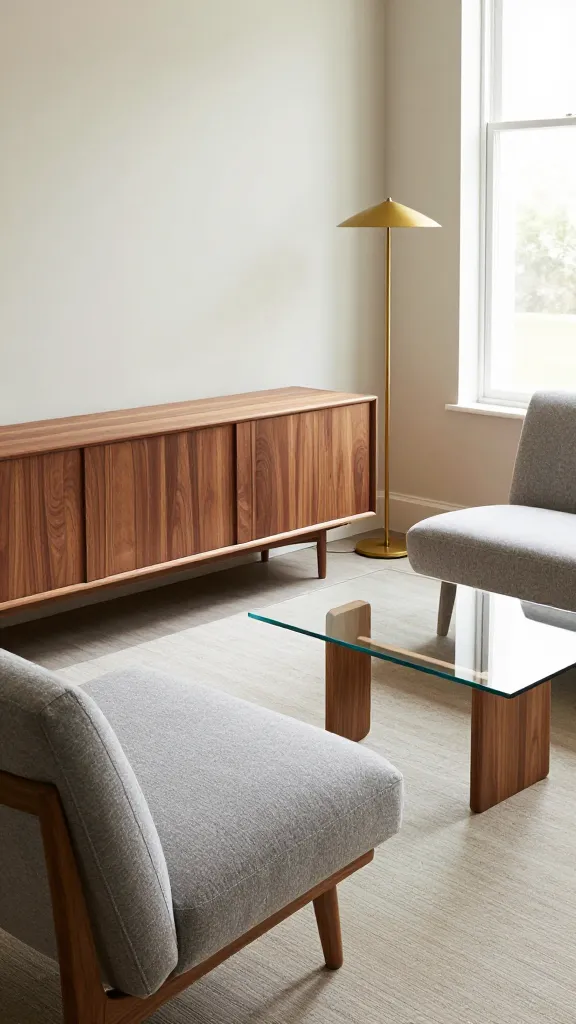
When you shop for MCM, you’re curating a look that lasts. The furniture should be comfortable, but also a conversation starter. Avoid overstuffed clouds; you want seating that invites lounging without swallowing the room.
So, which pieces are essential?
- Low-profile sofa with clean lines and wooden legs.
- Smaller lounge chairs like the Eames, molded plastic wonders, or classic armchairs with curved backs.
- Solid coffee table in wood or with a glass top to keep the space feeling open.
- Teak sideboard or credenza for storage that doubles as display space.
- A standout accent chair in a bold color or unique silhouette.
4.Color palette that sings, not shouts
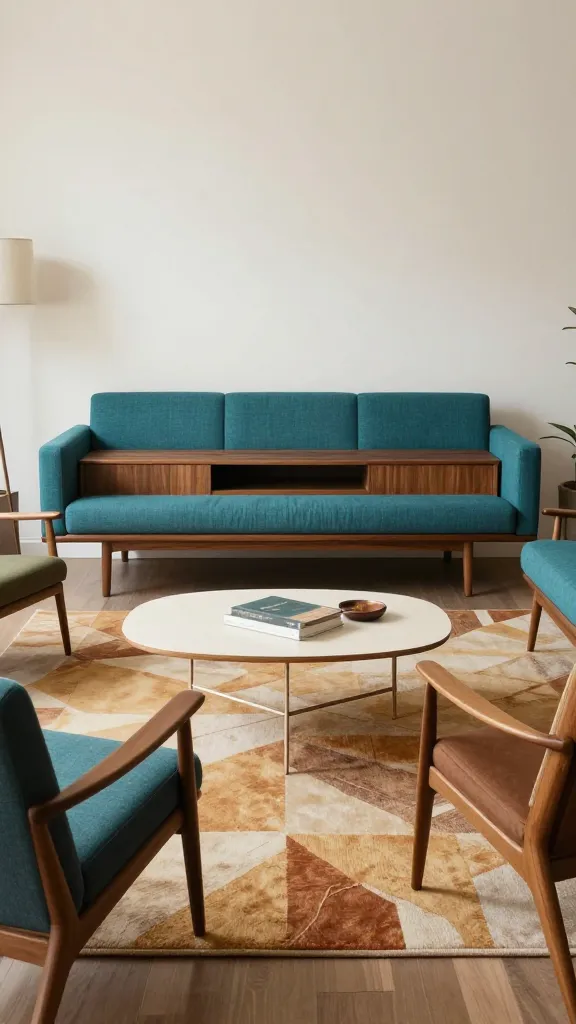
MCM loves earthy, warm tones punctuated by a few bold hues. You don’t want a kaleidoscope; you want rhythm. Start with neutrals like warm ivory, taupe, or soft gray and add color through accessories.
Recommended color directions
- Warm woods and creams as your base
- Olive greens, mustard yellows, and burnt orange as accents
- Accent walls sparingly—one calm hue or a two-tone combo works best
5.Texture and pattern: the secret sauce
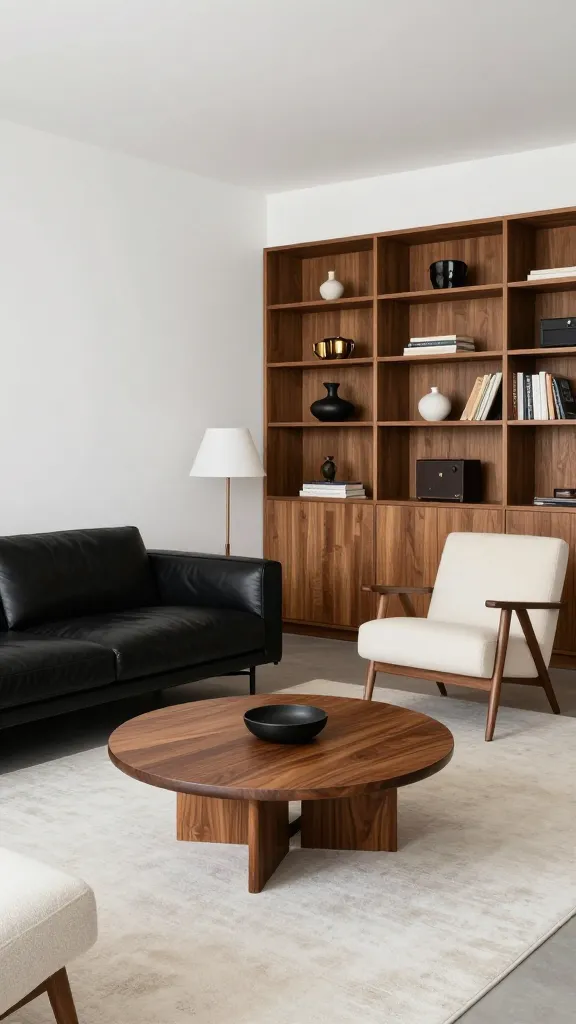
Texture adds depth to MCM without clutter. A plush rug, a wool throw, and a crocheted pillow can elevate a room that otherwise sticks to rigid lines.
Patterns that work well
- Geometric shapes, like chevrons or circles
- Organic, abstract motifs inspired by nature
- Solid colors with a single patterned accent to avoid visual noise
6.Lighting: the mood maker
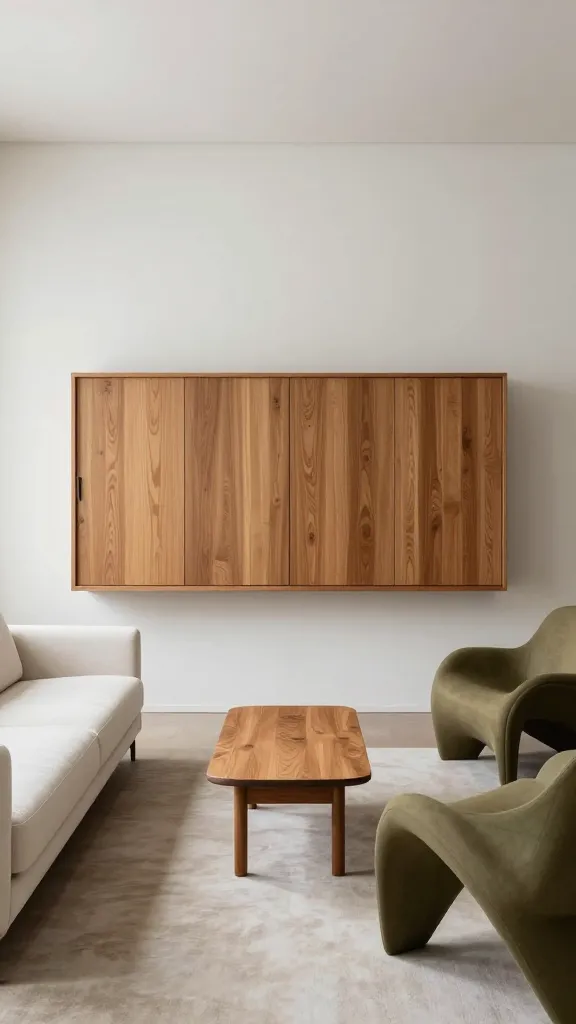
Mid-century lighting isn’t just about function; it’s about sculptural form. Floor lamps with arching arms, mushroom-shaped pendants, and tripod lamps add character and warmth.
Placement tips
- Place a tall lamp beside the couch for reading without glaring overhead light
- Use a statement pendant in the dining area that nods to the era
- Warm bulbs (soft white) create that cozy, retro glow
7.Layout ideas that actually work in real homes
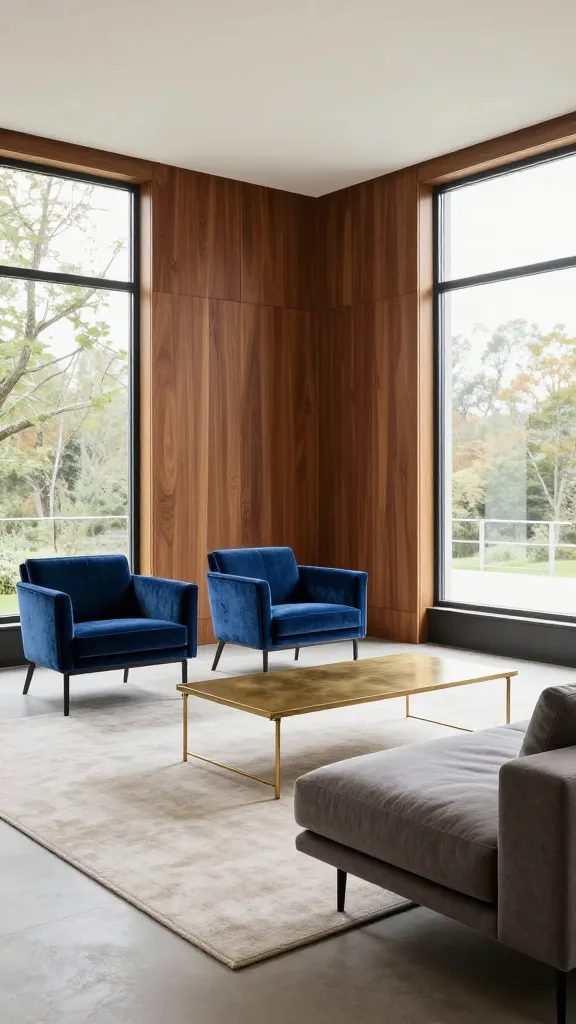
Decluttering is your friend. The best MCM layouts feel open, inviting, and purposeful. Imagine a conversation circle where everyone has a seat they actually like.
Two classic setups to try
- Conversation-first layout: Sofa facing a credenza with a striking lamp, and a couple of lounge chairs angled toward the center.
- Open-plan finesse: A defined living area within a larger space using a rug, low furniture, and a clear sightline to the rest of the room.
8.Breezy accessorizing without clutter
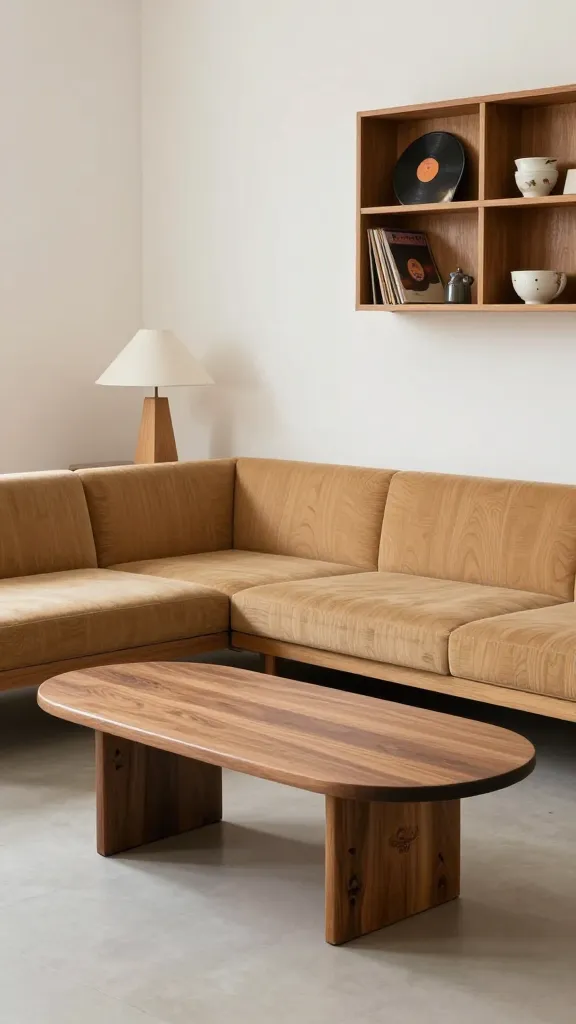
Accessories should tell a story, not scream for attention. Choose a few bold artifacts and let them shine.
What to choose (and what to skip)
- Choose one or two eye-catching pieces (a sunburst mirror, a sculptural vase)
- Layer textiles in complementary colors and textures
- A few vintage finds to add character—don’t overdo it
9. Practical tips to achieve the look on a budget
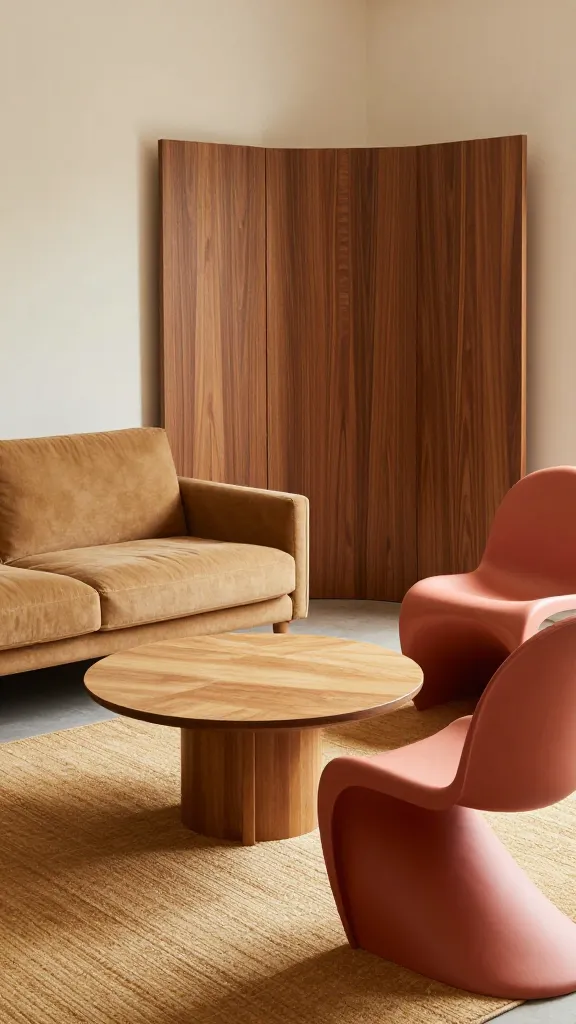
Mid-century magic doesn’t require a miracle on your bank statement. You can mix new and vintage, snag deals, and still get that look you crave.
Money-saving moves
- Shop vintage or thrift for key statement pieces like chairs or a credenza
- Use DIY refinishing on wood furniture to bring back life
- Prioritize a few high-impact pieces and keep the rest simple
FAQs
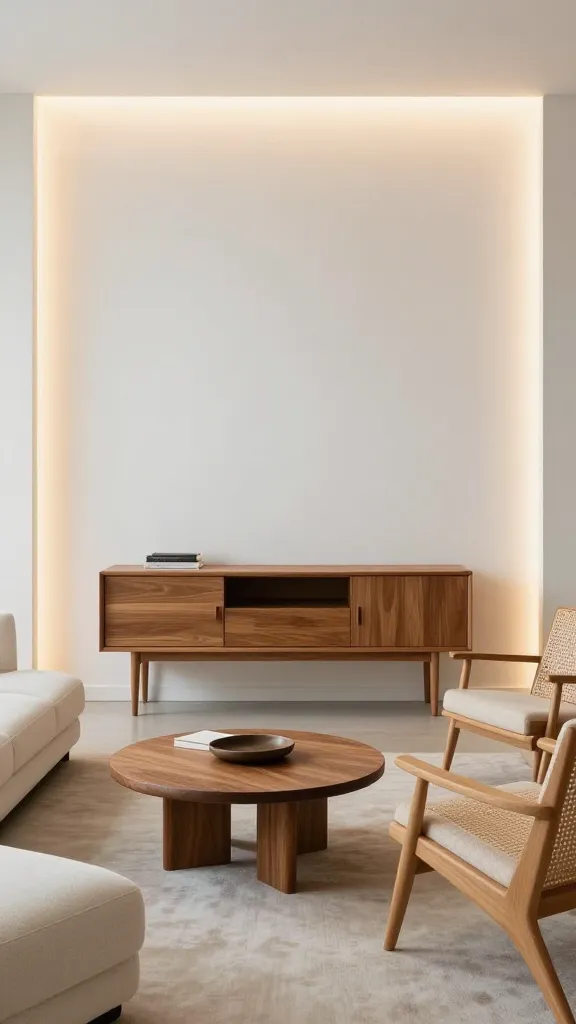
Is mid-century modern still relevant in small spaces?
Absolutely. The emphasis on clean lines and functional furniture helps small spaces feel larger. Choose low-profile pieces, mirror surfaces, and light colors to maximize openness.
What’s the easiest way to start a mid-century look?
Pick one or two signature pieces—like a teak credenza or an Eames-style lounge chair—and build around them with neutral furniture and bold accents.
Can I mix mid-century with other design styles?
Yes, but do it thoughtfully. Let MCM anchor the room, then blend with a contemporary rug, a Scandinavian lamp, or a boho throw. The key is balance, not a furniture family reunion.
How do I tell if a piece is truly mid-century?
Look for materials and silhouettes typical of the era: teak or walnut wood, molded-plastic chairs, angled legs, and simple, functional forms. A genuine vintage piece carries a story—and a price tag often reflecting that.
What about maintenance and cleaning?
Wipe wood surfaces with a soft, damp cloth and avoid harsh chemicals. For fabrics, follow care tags and aim for durable, easy-clean patterns. The goal is longevity with minimal drama.
Conclusion
Mid-century modern living rooms prove fewer can be more—more personality, more function, more warmth. Keep the lines clean, the wood rich, and the accents intentional. IMO you’ll end up with a space that feels timeless, friendly, and totally you.