
9 Living Room Picture Wall Ideas for Instant Wow
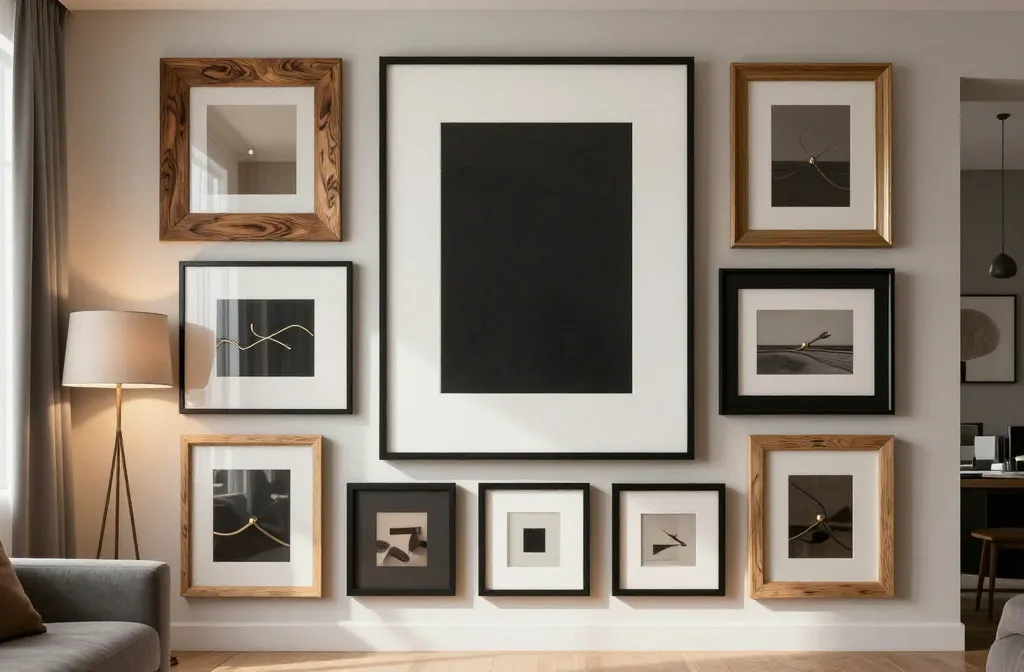
The living room is shouting for a little personality. A picture wall can do that without turning your space into a gallery-invade. Let’s skip the boring shirts-and-frames routine and crank the style up a notch with 15 living room picture wall ideas you can actually pull off this weekend.
These Living Room Picture Wall Ideas show how to transform your walls with photos, frames, and décor for a personalized and visually stunning living space.
Mix eras and frame styles for instant character
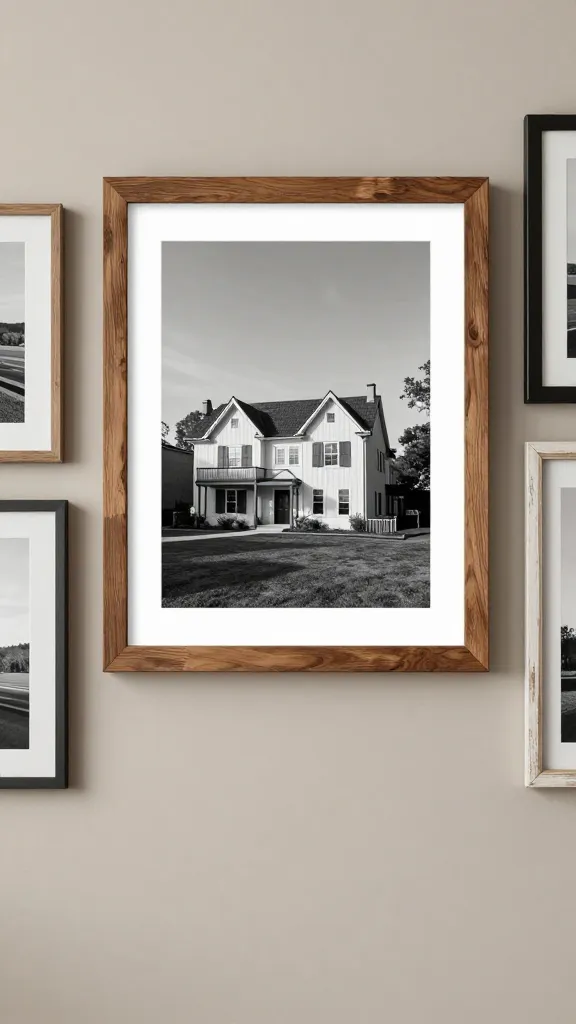
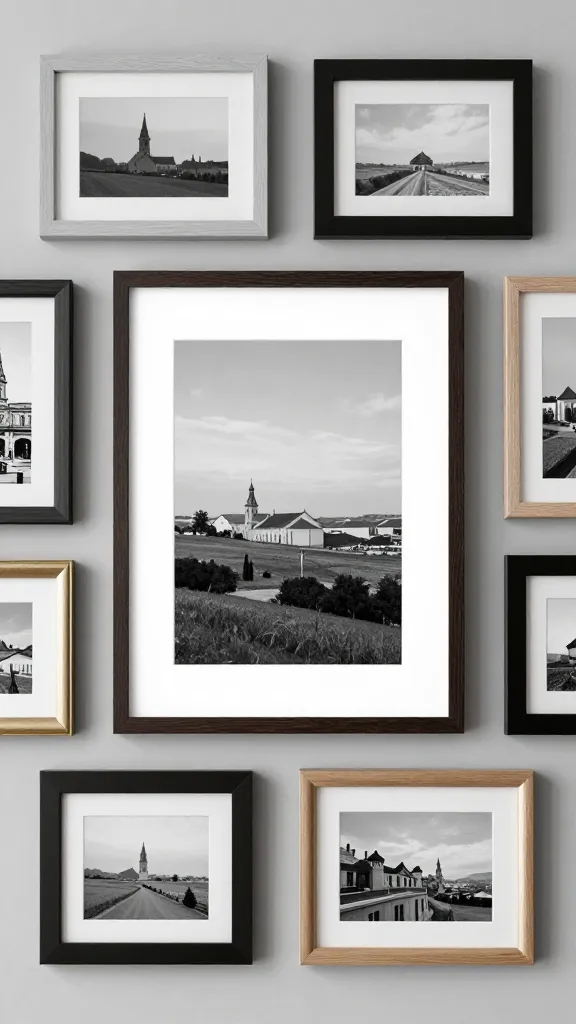
Why settle for one vibe when you can fuse eras like a DJ mixing tracks? Start with a bold statement piece—an oversized photograph or painting—and surround it with frames of different materials and finishes. Think a chunky wooden frame next to a sleek black metal one, then a light-washed wood frame. The variety feels curated, not chaotic, and it gives your wall depth without needing a degree in interior design.
- Pick a unifying color or theme (monochrome, botanical, or travel) to keep things cohesive.
- Add a splash of metallic for a modern edge—copper, brass, or gold can warm up cooler tones.
Create a grid that looks intentional, not strict
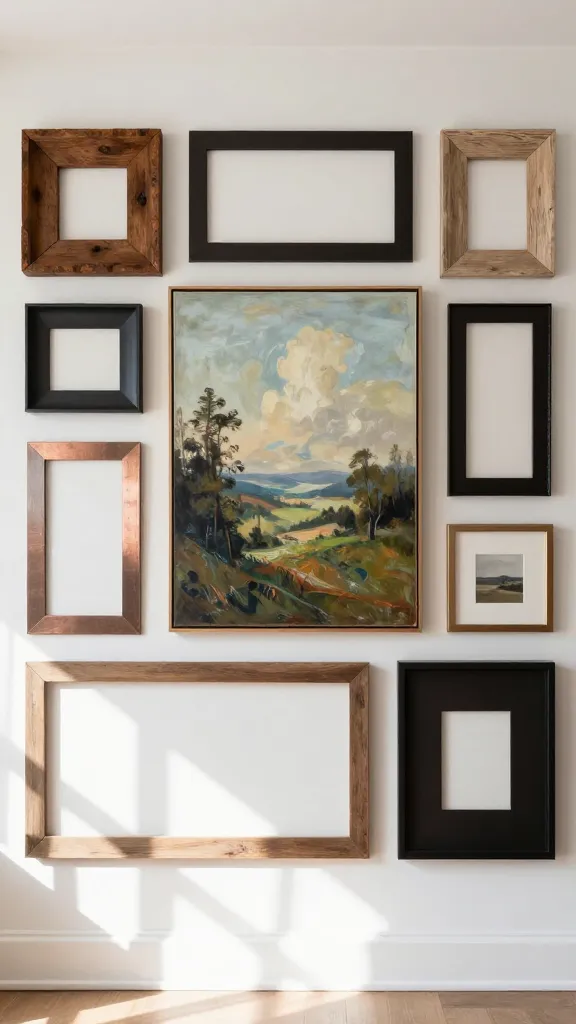
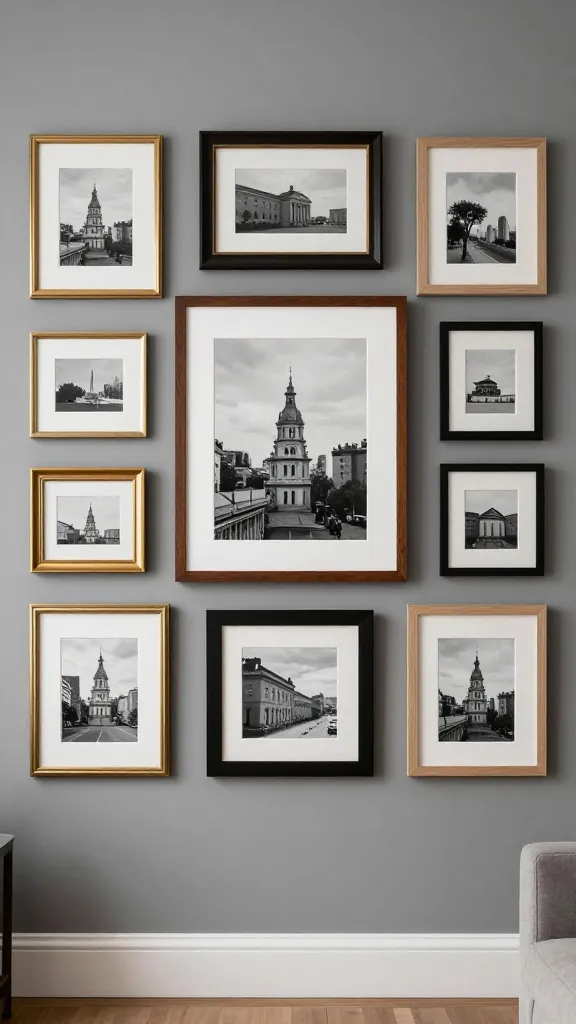
Grids are reliable for a tidy, magazine-worthy look. They don’t have to be perfectly symmetric to feel deliberate. Start with a central anchor piece and build outward in rows or a neat 3×3 or 4×4 arrangement. If you’ve got an odd number of frames, balance with a larger print on one end.
Tips for making a grid feel alive
- Use painter’s tape to map out your grid on the wall before hammering anything in.
- Vary frame sizes within the grid to add visual interest.
- Leave a bit of breathing room—don’t cram every inch. Air is your friend.
Lean into a gallery-style with a twist
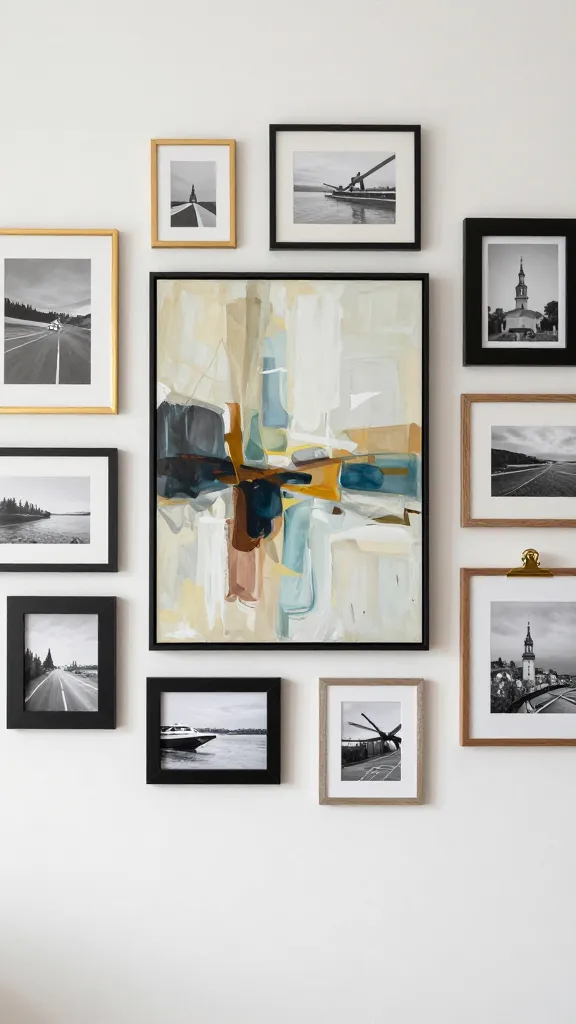
Gallery walls aren’t exclusive to museum lovers. Support the idea with a mix of art prints, family photos, and a couple of postcards or sketches. Keep a color thread running, like all warm tones or all black-and-white, and let the rest be an accidental collage that somehow works.
How to keep a gallery wall from feeling chaotic
- Lay pieces on the floor first to test arrangements.
- Use identical hanging height for the main line, then stagger the rest for a relaxed vibe.
- Swap out a couple of pieces seasonally to keep it fresh.
Incorporate textiles for texture and coziness
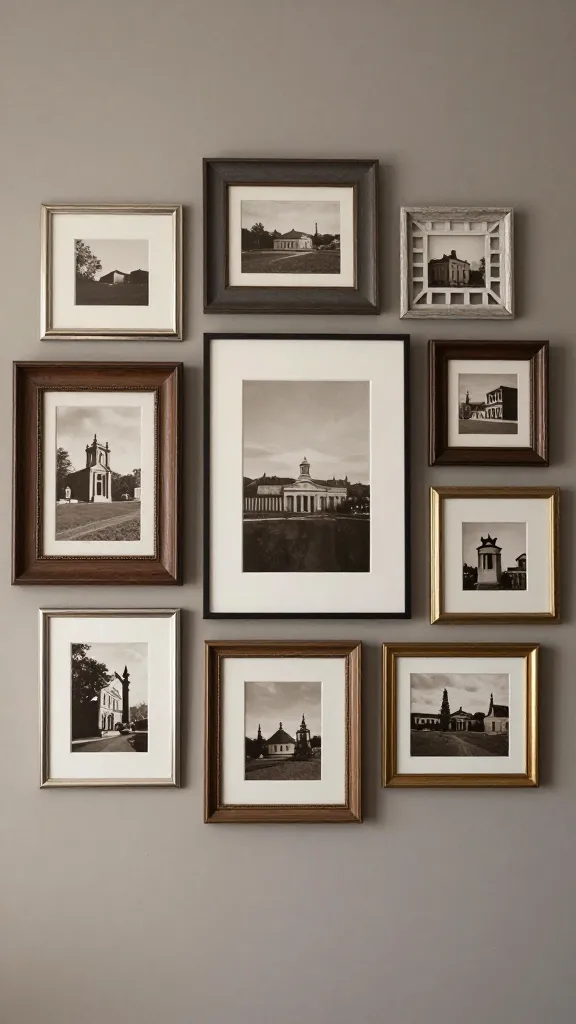
Frames aren’t your only option. Mix textiles—woven wall hangings, macramé, or fabric panels—with framed art. A textile can soften a stark frame cluster and add tactile interest that photos alone can’t convey. Bonus: textiles absorb sound, which is a win in any open-plan living room.
Textile ideas that play well with pictures
- Hang a woven tapestry behind a lineup of small frames to create a layered effect.
- Try a linen or cotton hanging sleeve for a casual, lived-in look.
- Combine black-and-white photos with a bold, colorful textile piece for contrast.
Dip into color blocks with bold backgrounds
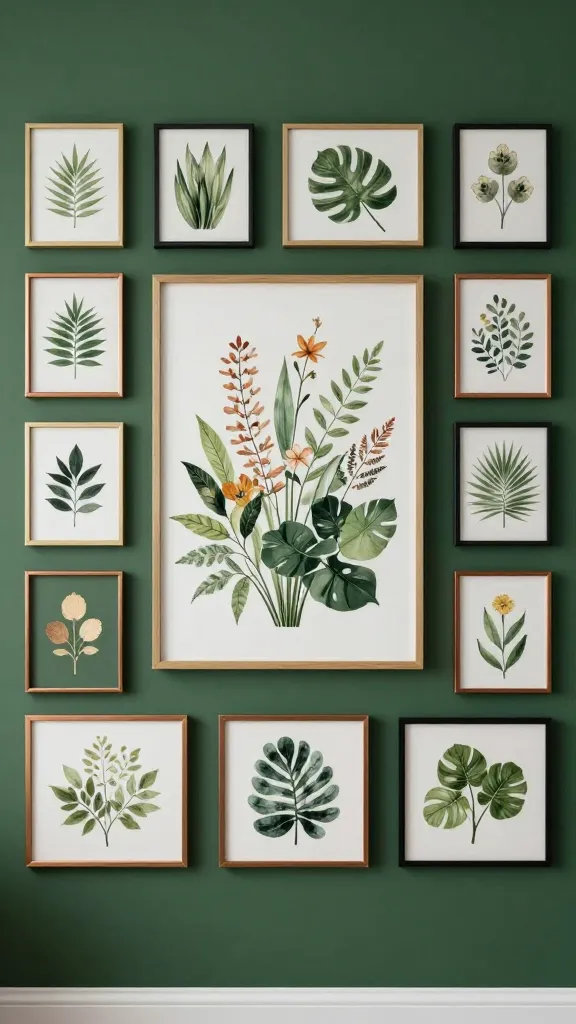
If your wall color is shouting for attention, frame it with high-contrast backgrounds. A pastel wall? Go with black-and-white photos and crisp white mats. A deep navy? Throw in gold accents and a pop of white to keep things from sinking into the moodiness. The idea is to let the wall color do the heavy lifting while your art does the talking.
Matting and mounting, the small-but-mighty details
- Double mats can elevate a simple print, giving it museum-like polish.
- Gallery nails or staggered lines help distribute color blocks evenly.
- Consider floating shelves for a dynamic, changeable display without re-drilling.
Make a statement with a single oversized piece
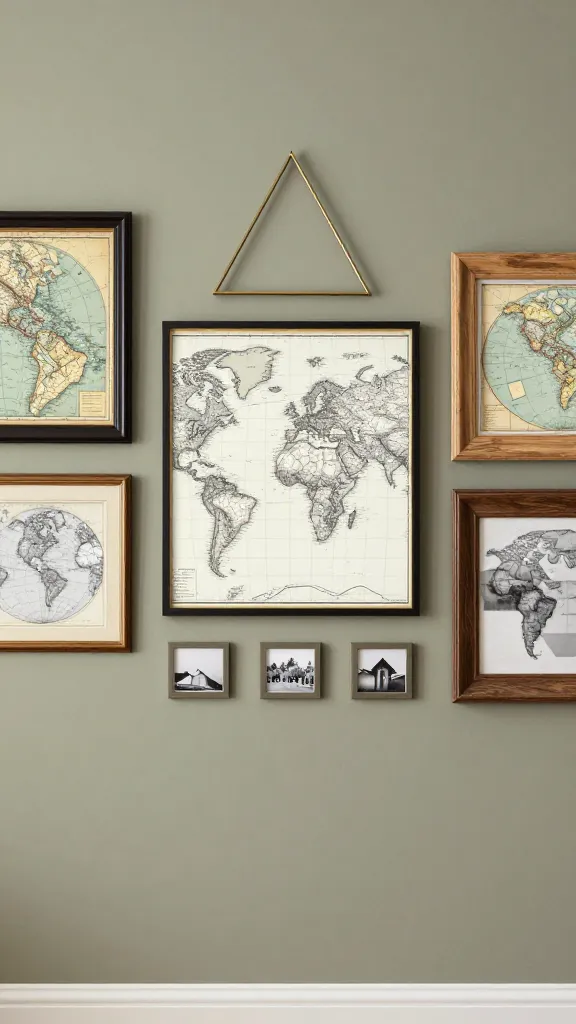
Sometimes less is more. An oversized print or painting commands attention and sets the tone for the whole wall. Pair it with one or two small, carefully chosen accessories to avoid overwhelming the space.
Choosing the right oversized piece
- Pick something that speaks to you—this will be a focal point for years.
- Frame style should echo other elements in the room, not clash with them.
- Ensure proper lighting, preferably angled to reduce glare and highlight texture.
Turn corners into character with corner galleries
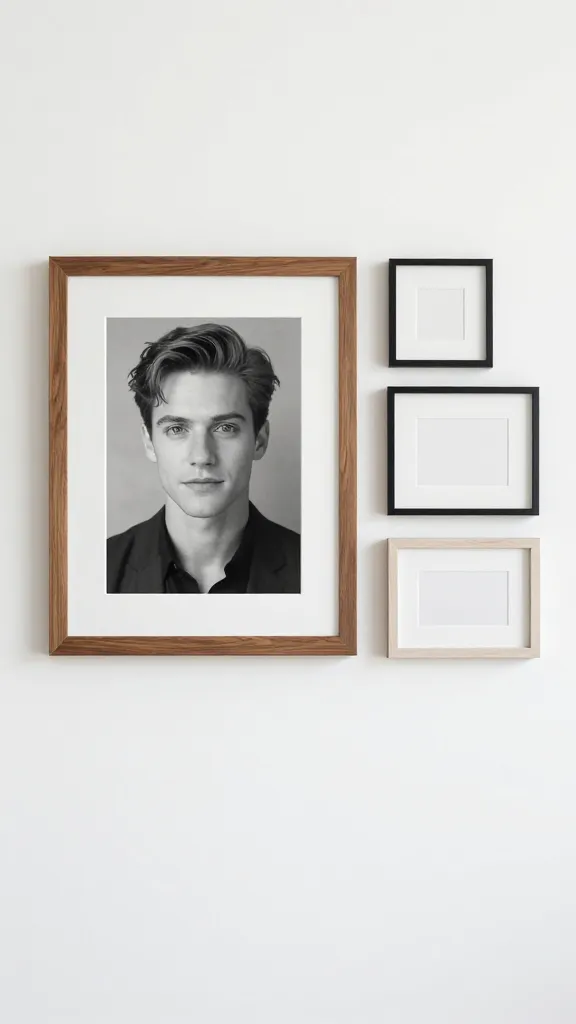
Corners tend to get neglected, but they’re prime real estate for a corner gallery: a vertical stack of frames, a leaning ladder display, or a quirky mix of items like a clock, small mirror, and photos. It creates a micro-spot that invites a closer look when you walk in.
Corner gallery dos and don’ts
- Don’t overcrowd the corner—give each piece room to breathe.
- Use a consistent color family to tie disparate items together.
- Lean a big piece against the wall first to test the scale before hanging anything.
Floating shelves: art + personal touch in one
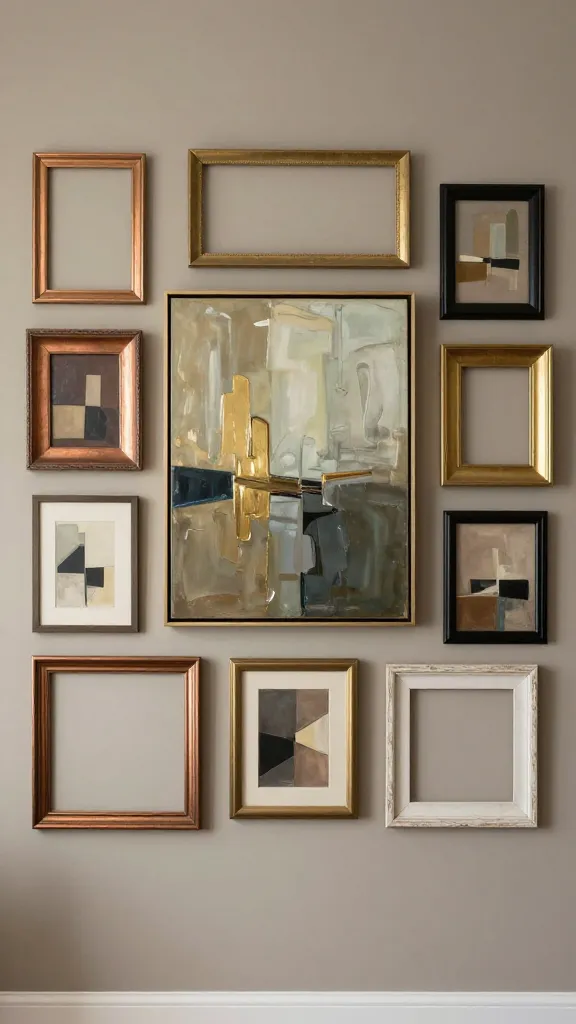
Floating shelves give you a flexible, change-anytime display. They’re perfect for rotating art, travel souvenirs, and little trinkets that tell your story. The combination of framed art with small 3D objects adds personality and makes the wall feel “you.”
How to build a balanced shelf display
- Mix heights with books, frames, and small decorative objects.
- Leave some negative space so the display doesn’t feel crowded.
- Anchor the shelf with a large, bold piece on the wall above it to create a focal point.
FAQ
What’s the easiest way to start a living room picture wall?
Start with one statement piece and a couple of complementary frames. Lay them out on the floor to visualize, then map it on the wall with painter’s tape before you drill. Simple, practical, and you won’t end up with a million mismatched nails.
How do I choose frame colors without clashing with furniture?
Pick a unifying thread—black, white, or natural wood—and reuse it in every frame. Then introduce a single accent color through mats or a couple of frames to tie everything together with your furniture.
Is it better to hang above the sofa or on an empty wall?
Above the sofa is classic for a reason: it anchors the seating area. If you don’t have wall space there, use a corner or an adjacent wall. The key is to keep the center of your wall at eye level for optimal viewing.
How high should I hang artwork?
Aim for the center of the art at about 57 to 60 inches (145–152 cm) from the floor. If you’re pairing with a sofa, align the bottom edge of the piece with the top of the sofa for a cohesive feel.
How many pieces should I use for a big wall?
For a large wall, start with 6–9 pieces in a grid or salon-style cluster. You can grow your display over time; this isn’t a sprint, it’s a lifestyle upgrade.
Conclusion
Your living room deserves a wall that feels alive, not a museum exhibit you’re too polite to touch. Whether you go bold with a single oversized piece or playful with a mixed gallery, the key is balance, personal taste, and a touch of humor. FYI, you don’t need to break the bank—printable photos, thrifted frames, and DIY mats can look incredibly polished with a little patience. So grab a coffee, start laying out ideas, and turn that blank wall into a conversation starter.