
How to Make a Layered Green Paper Tree Wall Hanging: Step-by-Step Guide
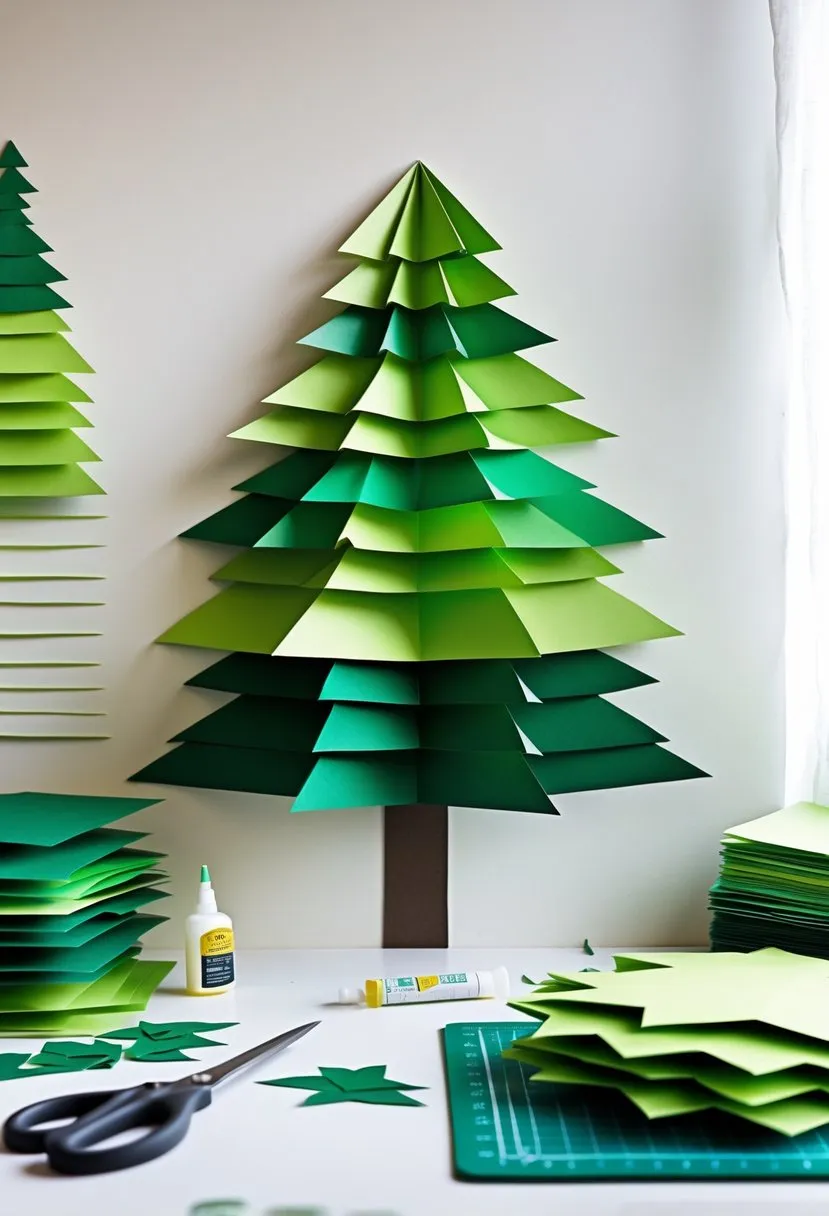
Making a layered green paper tree wall hanging is a simple and creative way to add a fresh, decorative touch to your space. Using just a few sheets of green cardstock, scissors, and glue, you can create a beautiful tiered tree that adds depth and character to your wall. This project doesn’t require advanced skills and can be customized with different shades of green for a unique look.
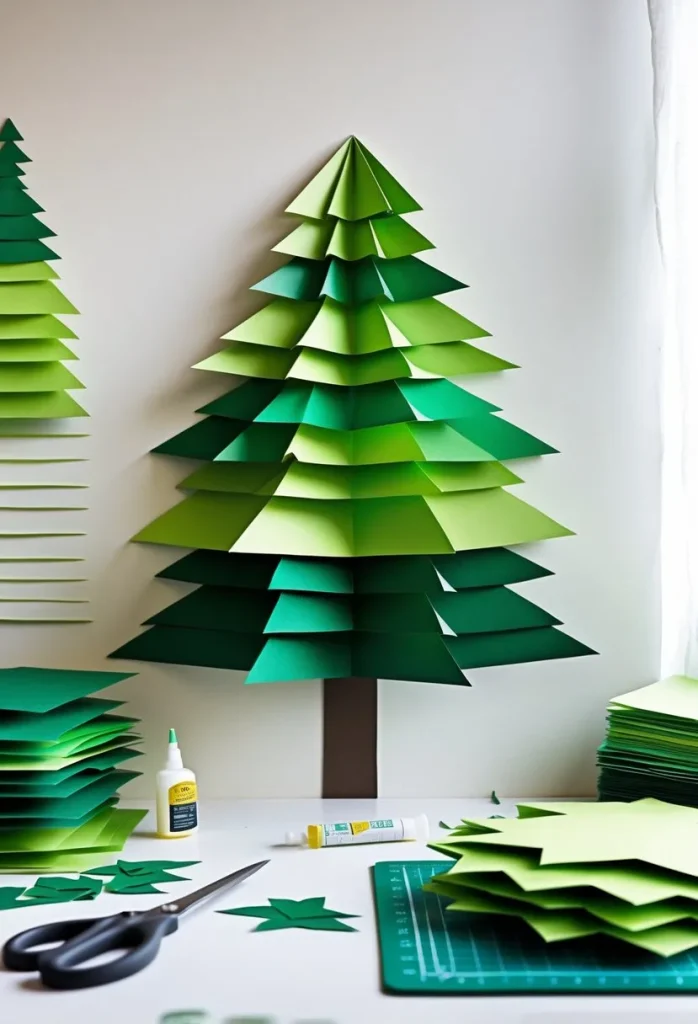
I found that cutting each paper layer slightly smaller than the one below helps build that classic tree shape with a nice 3D effect. Adding a star topper and a paper trunk completes the design, making it a perfect handmade decoration for holidays or anytime you want a bit of nature inside.
Step-By-Step Guide to Creating a Layered Green Paper Tree
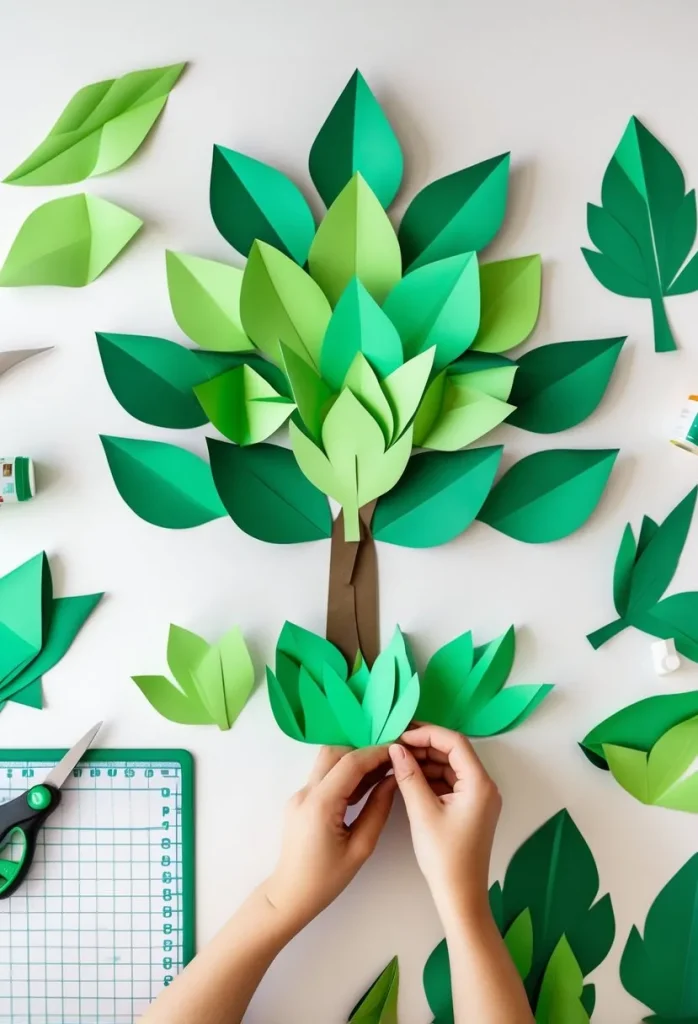
To create a layered green paper tree wall hanging, I focus on selecting the right papers and tools, cutting paper layers in different sizes, and assembling them in steps. I also make sure to add details like a paper trunk and a gold star to complete the look.
Gathering the Right Materials
I start with heavy-weight colored paper or cardstock in 3 to 5 shades of green, such as mint, sage, and forest green. Using varied shades helps to give depth to the tree. It’s important to pick paper that is thick enough to hold its shape without curling.
Other materials I gather are brown or tan paper for the tree trunk, gold or metallic paper for the star topper, and scissors sharp enough for cutting cardstock neatly. I also prepare craft glue or clear-drying adhesive, a pencil for marking curves, and either string or ribbon if I want to hang the finished tree. For mounting, I use a flat backing board or a large sheet of sturdy paper.
Cutting and Preparing Green Paper Layers
Next, I trim each green paper sheet to a workable size, about 6 inches wide for a medium tree. I lightly sketch curved edges on the largest and darkest paper to create the bottom layer using a pencil. This creates a natural tree shape.
I then replicate this shape on the other sheets, making each curve smaller and narrower to build a stepped effect. I don’t worry about perfect symmetry because slight variations add a handmade feel. After sketching, I carefully cut along the curves.
Finally, I cut a small rectangle from the brown paper to serve as the tree trunk. I keep all pieces ready before moving to assembly.
Layering, Gluing, and Assembling the Tree
I start layering by placing the largest green piece at the bottom and gluing just the top edge. Gluing only the top allows the curved edges to hang freely for a 3D look. If I’m using a backing board, the glue goes directly there; if on the wall, I use removable adhesive dots on the top edges.
I work upward, slightly overlapping each smaller green layer over the one beneath it, gluing only along the top edge each time. This stacking creates depth and dimension. The glued layers should allow for some movement but still stay secure.
I attach the brown paper trunk below the bottom green layer. I make sure everything is even and level so the tree looks balanced.
Adding the Tree Trunk and Gold Star Topper
After the tree layers are set, I focus on details. I glue the brown trunk piece at the tree base, positioning it neatly underneath the lowest green paper. This adds realism and completes the shape.
For the topper, I cut a 2 to 3-inch star from gold or metallic paper. I freehand the star or use a simple template for clean edges. I attach the star at the top of the tree, either on the top green layer or slightly above it on the backing.
For extra dimension, I sometimes use a small piece of foam tape to raise the star slightly. This makes it stand out more visually. The star and trunk bring the tree to life and provide a nice finishing touch.
Tips for Hanging and Decorating Your Paper Tree
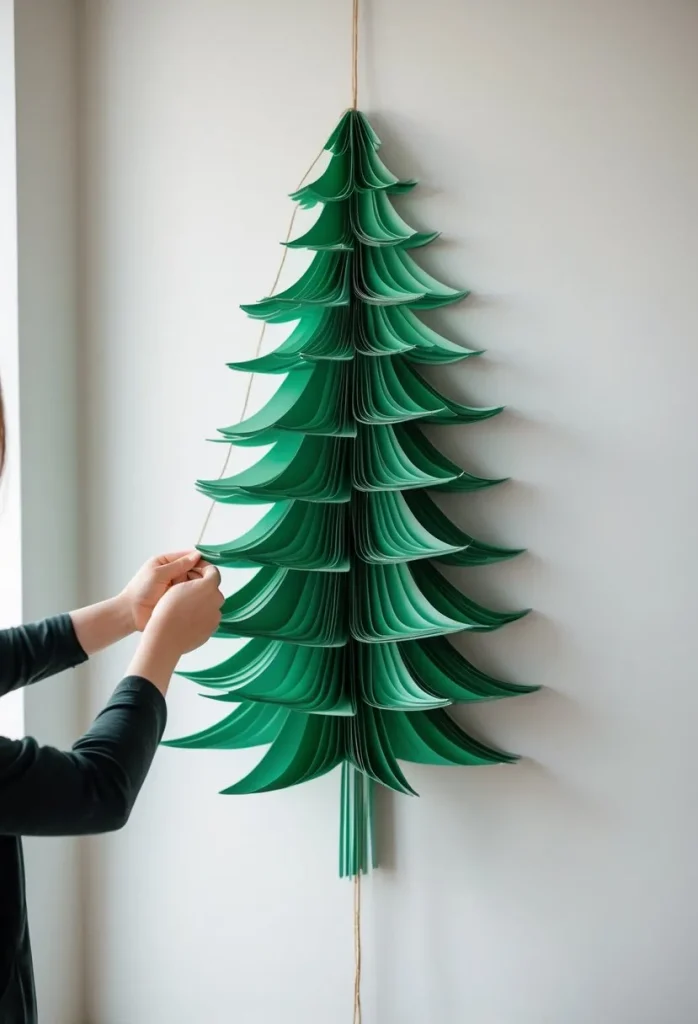
To get the best look and make sure your paper tree lasts, I focus on securing it well, adding fitting decorations, and avoiding common problems. These steps help the tree stay neat and eye-catching on my wall.
Attaching Your Tree Securely to the Wall
I use wall-safe adhesive strips or removable hooks to attach the tree layers firmly without damaging the wall. For added stability, I place the adhesive only along the top edges of each paper layer. This keeps the tree’s shape visible and prevents the layers from sagging or peeling off.
If I mount the tree on a backing board, I attach a strong string or ribbon to the corners. Hanging the board with a removable hook lets me easily adjust the position. Always check that the tree hangs straight and that the adhesive holds well before stepping back.
Customizing with Ornaments and Decorative Elements
Adding small paper ornaments or pom-poms between layers brings extra charm. I tuck in battery-powered fairy lights for a subtle sparkle. These lightweight decorations don’t weigh down the paper or alter the tree’s shape.
You can also glue a metallic star or a trimmed paper shape on top for a classic finish. If you want more dimension, I suggest using foam tape to lift decorations slightly away from the green layers. Keep decorations balanced to avoid flattening the tiers.
Ensuring Longevity and Preventing Common Mistakes
Using heavy cardstock prevents curling and bending, which I find essential for a clean look. I avoid gluing entire surfaces flat—it’s best to glue just along the top edges. This technique keeps the layers “floating” and adds depth.
I make sure my tree is not exposed to direct sunlight or humid conditions. Paper fades and warps under these elements. Also, I wait at least 30 minutes before moving or hanging the tree after gluing to avoid slipping layers.
By following these steps, I keep my paper tree sharp and fresh for the season.