
How to Style Indoor Plants in a Small Living Room: Chic & Space-Smart
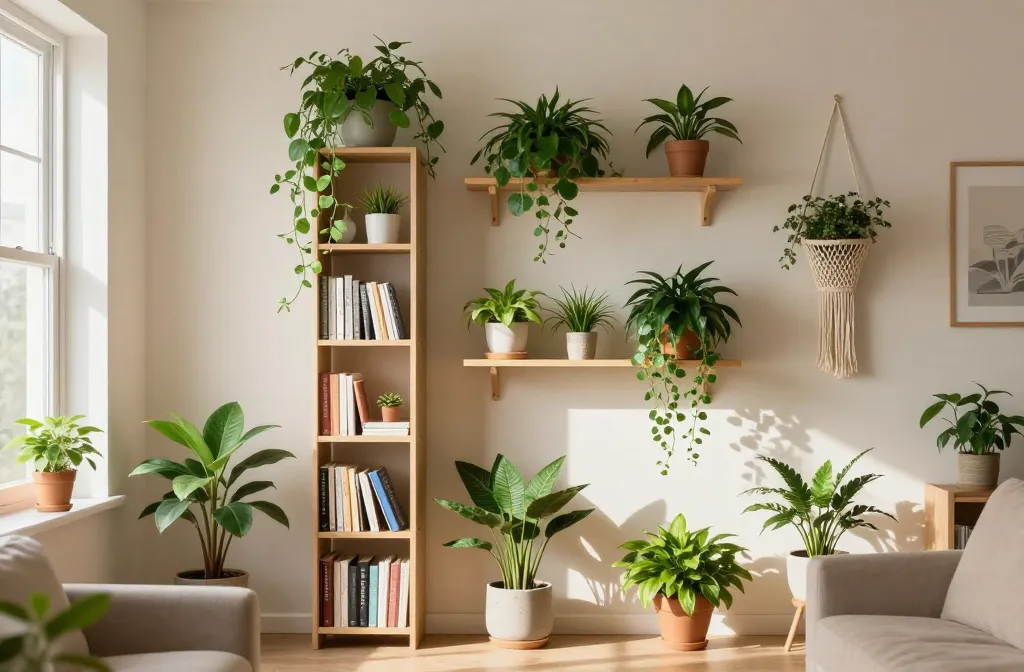
You don’t need a greenhouse in a shoebox to give your small living room a green glow. With a little strategy, your plants can feel like stylish furniture—without stealing all the floor space. Let’s make a plan that’s practical, pretty, and a little bit nerdy in the best possible way.
Find your plant personality and map the space
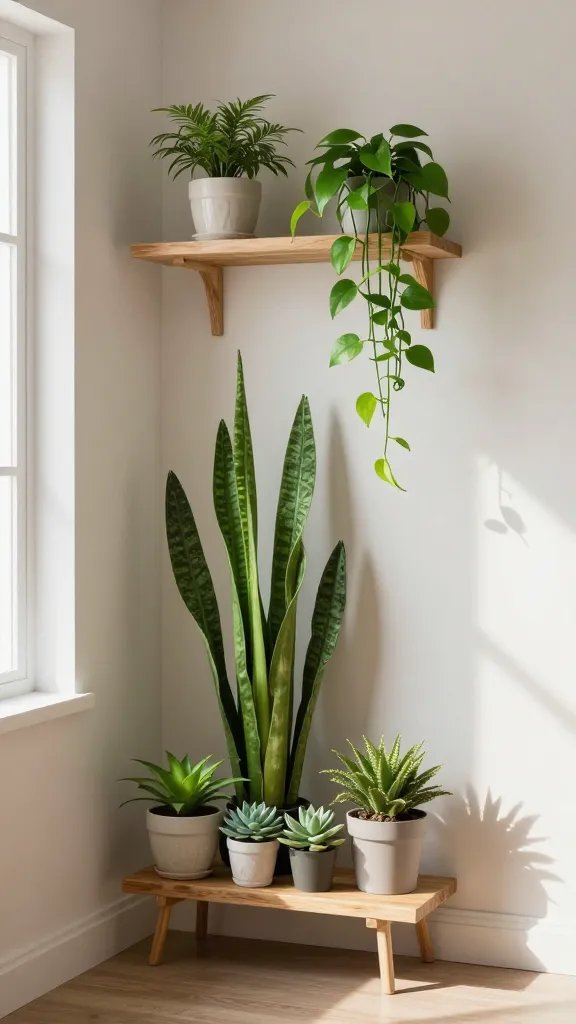
Starting with intent beats guessing your way through decor. Ask yourself: what vibe do I want—lush jungle, clean minimal, or colorful, playful? Your answer guides every choice, from plant sizes to containers.
– Size up first, then scale back. In a small room, use a mix of tall, trailing, and compact plants to create layers.
– Consider light as your co-pilot. If your windowsill is tiny or you get only a few hours of sun, pick plants that thrive in shade or low light.
– Make a quick floor plan. Sketch or note where outlets, shelves, and corners are. A good layout reduces clutter and makes watering a breeze.
Play with vertical space: shelves, hangers, and wall planters
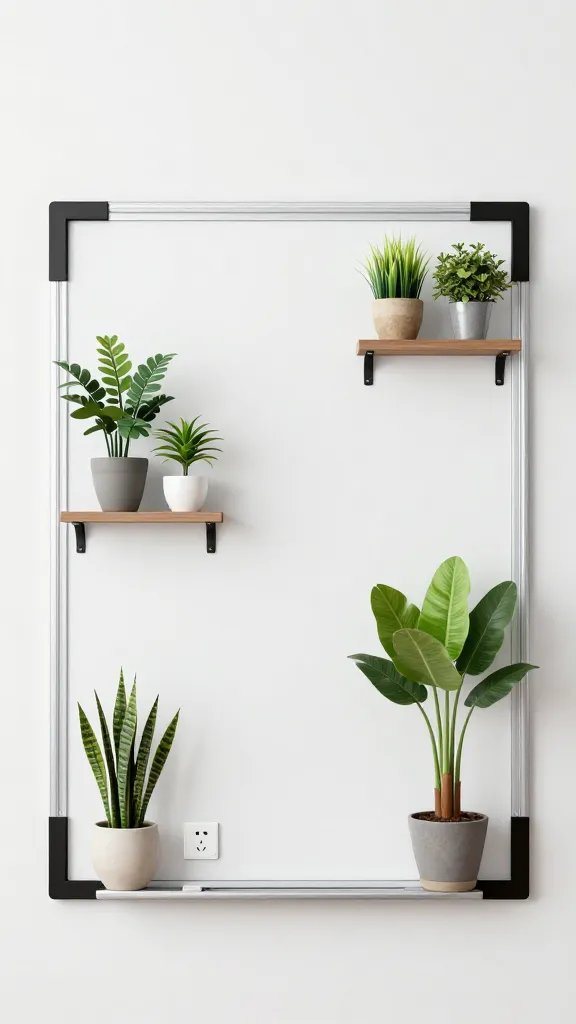
If floor space is tight, go vertical. Your walls become a living gallery that draws the eye up instead of crowding the room.
Shelves that don’t crowd the room
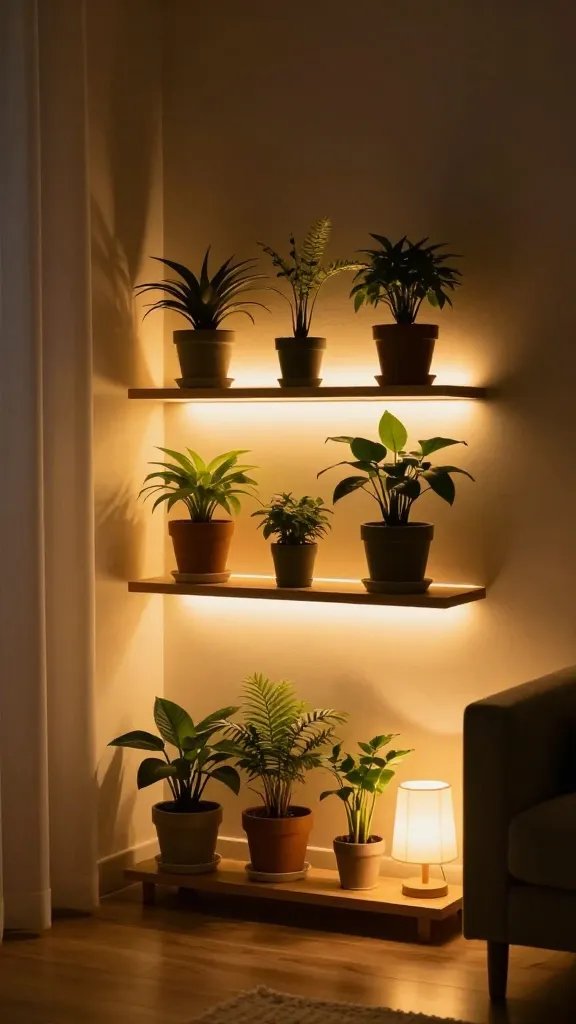
– Opt slim, tall bookcases or floating shelves. They add height without stealing floor space.
– Group plants in odd-numbered clumps (think 3-5 plants per shelf) for a cohesive look.
– Use varied pot shapes and colors to add personality.
Hanging and wall-mounted options
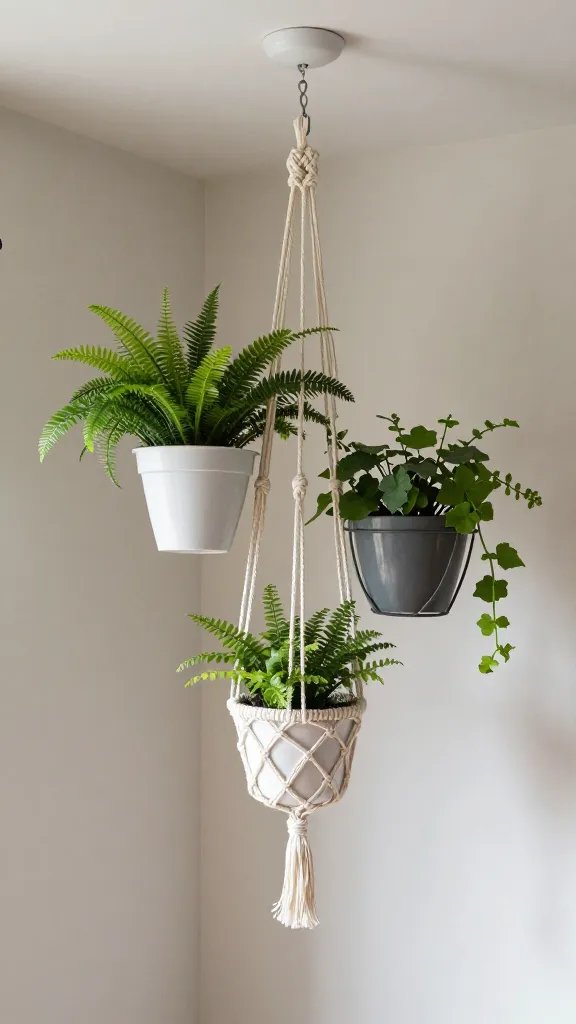
– Macrame, metal baskets, or sleek wall planters keep surfaces uncluttered.
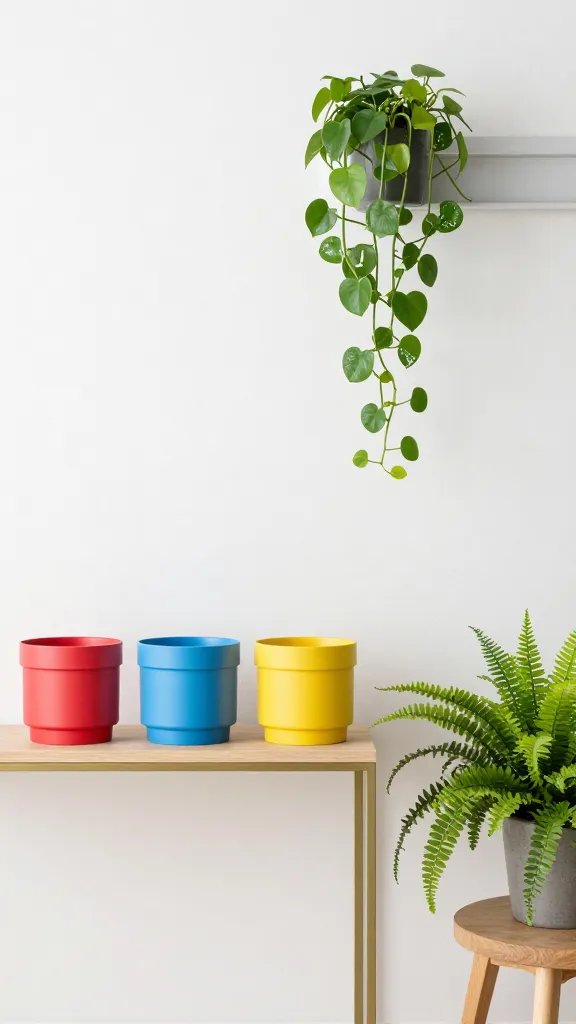
– Place trailing plants like pothos or philodendron so they cascade near art or lamps.
– Ensure they’re within reach for watering and pruning—no dramatic acrobatics required.
Potting, containers, and the color story
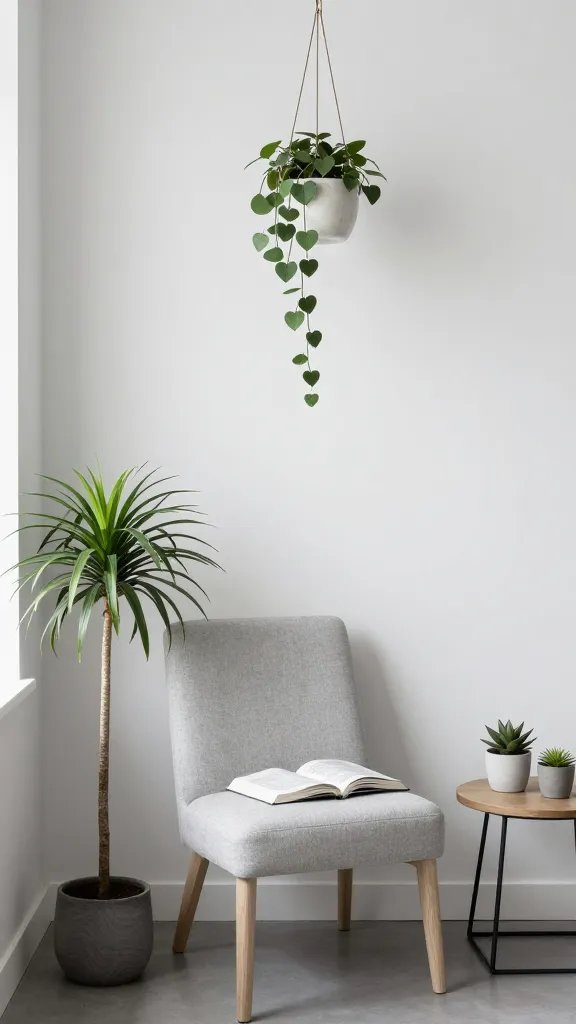
Container choice matters almost as much as the plant itself. The right pots pull the room together and can actually help fragile greens thrive.
Choose containers that fit the space
– Light, neutral colors can make a small room feel brighter and bigger.
– Mix materials for texture: ceramic suelo, matte black metal, or woven baskets around plastic liners.
– Ensure drainage and saucers are part of your plan to avoid waterlogged roots and soggy shelves.
Size and balance
– Use larger pots for a few statement plants rather than many tiny pots. It creates intentional sparsity.
– For shelves, stagger pot sizes so they don’t form a rigid grid. Curves beat rigidity in cozy spaces.
Lighting hacks that help plants thrive and the room shine
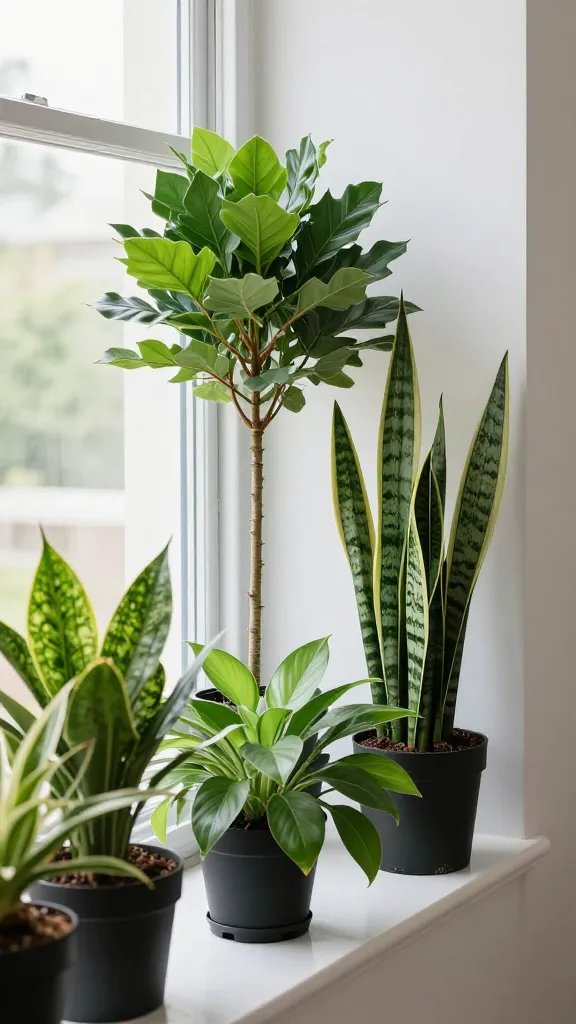
Light levels aren’t just about plant health; they shape the whole vibe of the room. Plants in the wrong light suffer, and so does your décor budget.
– Place sun-loving plants near bright windows but not in harsh direct sun that scorches leaves.
– Use sheer curtains to diffuse intense sun, or move plants to brighter spots during peak hours.
– If you’re low on natural light, supplement with a compact grow light or LED strips. FYI, a little glow goes a long way.
Low-light champions
– Snake plants, ZZ plants, and pothos tolerate shade and still look dramatic with minimal fuss.
– Rotate every couple of weeks to keep growth even and avoid leggy stretches.
Bright-light favorites
– Succulents, cacti, and sun-loving herbs love a sunny sill or bright corner.
– Watch for leaf scorch—tip: re-check where you place them as seasons shift and sun angles change.
Watering rhythm without turning it into a chore
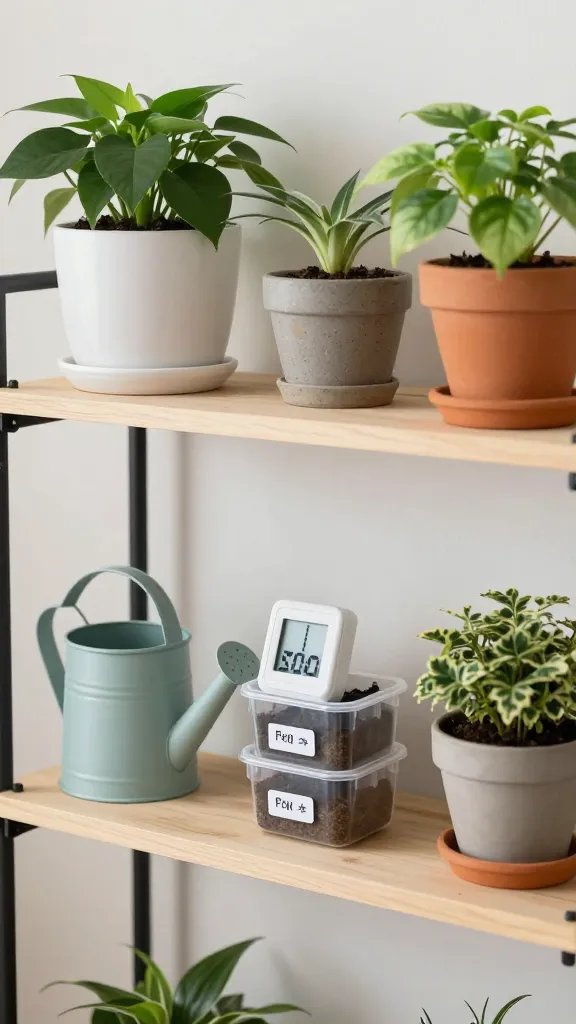
Water is where the romance ends and the reality begins. The goal is to water smartly, not obsessively.
- Group plants by watering needs. Keep thirsty ones together so you don’t chase the rain gods all day.
- Feel the soil. If the top inch is dry, it’s usually time to water. If it’s still damp, skip it and check again in a couple of days.
- Use pots with drainage and make sure saucers aren’t just decorative. Water in the sink, then let excess drain before returning to its spot.
Add personality with texture and greenery blends
Greenery doesn’t have to be uniform. Texture, color variation, and plant shape all add personality without clutter.
Leaf texture that catches the eye
– Mix glossy leaves with matte, ribbed, or fuzzy varieties. The contrast makes the arrangement feel intentional.
– Use a few bold-leaf plants as anchors (monstera, rubber plant) and fill gaps with smaller, finer-leaved companions.
Color pops and subtle greenery
– Don’t be afraid to bring in a plant with a painted or variegated leaf edge for a little drama.
– Keep most of your palette greens, then sprinkle in a couple of colorful pots or a vivid pot liner for accent.
Smart design tricks to keep a small living room feeling open
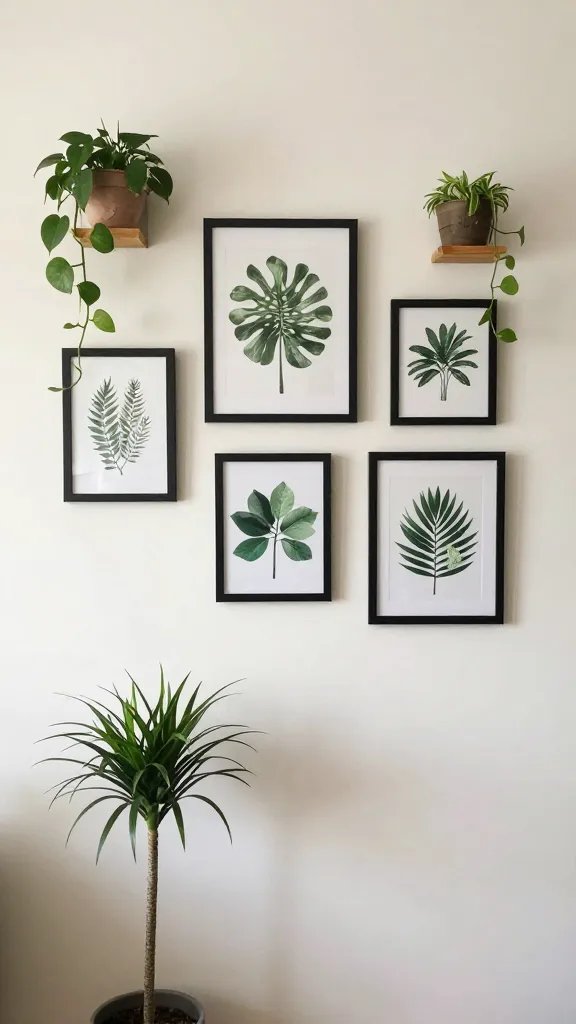
Discomfort from clutter is real. These tricks help your space feel breathable while still being lush.
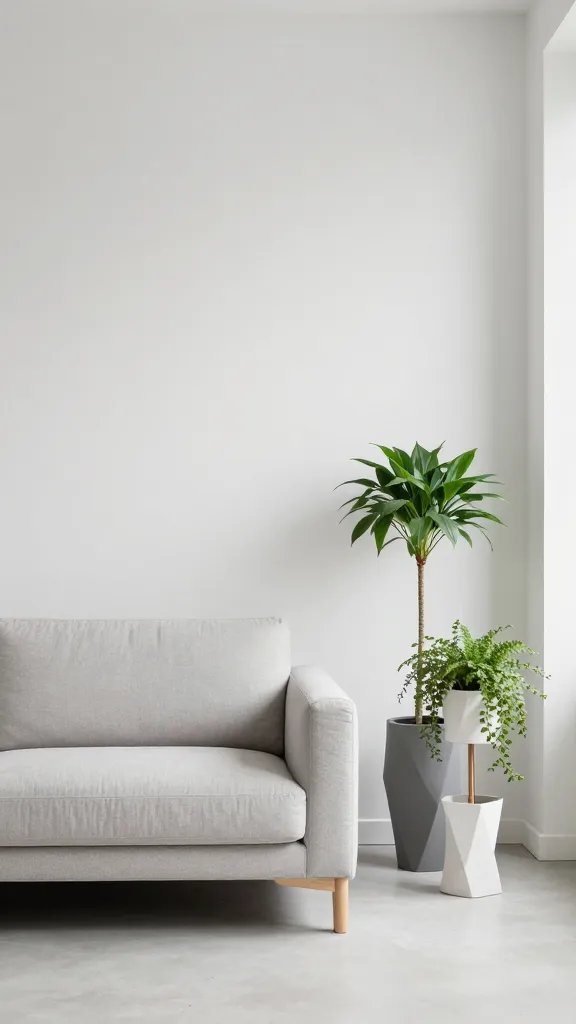
- Move some greens onto furniture. A plant on a coffee table or side table creates a natural, lived-in vibe.
- Hide cords and supplies in stylish storage boxes that match your decor. No more tangled mystery cords behind the plant corner.
- Choose low-profile furniture with slim silhouettes to avoid crowding the room.
FAQ
How many plants should I start with in a small living room?
Start with 3 to 5 plants and build from there. Choose a mix of sizes—one tall statement plant, one trailing, and a couple of compact options. If you’re new to this, spacing the plants out helps you learn how your space handles light and water without turning into a plant graveyard.
What if I have almost no natural light?
Low-light plants like snake plants, ZZ plants, pothos, and philodendrons are your friends. Add a small grow light on a timer to keep things flourishing. FYI, you’ll be surprised by how well a little extra light can perk up a dull corner.
How do I water without overdoing it?
Watering is a rhythm, not a ritual. Check the soil with your finger; if the top inch is dry, water thoroughly until you see this water drain from the pot. Empty the saucer and don’t leave the pot sitting in sitting water. If you’re busy, a moisture meter can be a lifesaver.
Are artificial plants a valid option?
Yes, but only if you’re chasing zero maintenance and maximum realism. Real plants offer movement, scent, and life that fake ones can’t quite replicate. If you do go faux, mix them with real plants so your space still feels alive.
How often should I rotate or prune my plants?
Rotate every couple of weeks so growth stays even, and prune as needed to keep plants compact and bushy. Trim leggy stems to encourage fuller growth—your future self will thank you for the tidy shape.
Conclusion
Your small living room can be a lush sanctuary without turning into a jungle gym. Start with a plan, go vertical, pick containers that sing with your decor, and keep lighting and watering smart. IMO, the best setups mix a couple of bold statement plants with a few easy, forgiving ones. FYI, a well-styled plant corner isn’t just pretty—it’s quietly satisfying every time you walk in. Ready to start your green mini-makeover?