
How to Make a Bed Like a Designer That Actually Looks Effortless
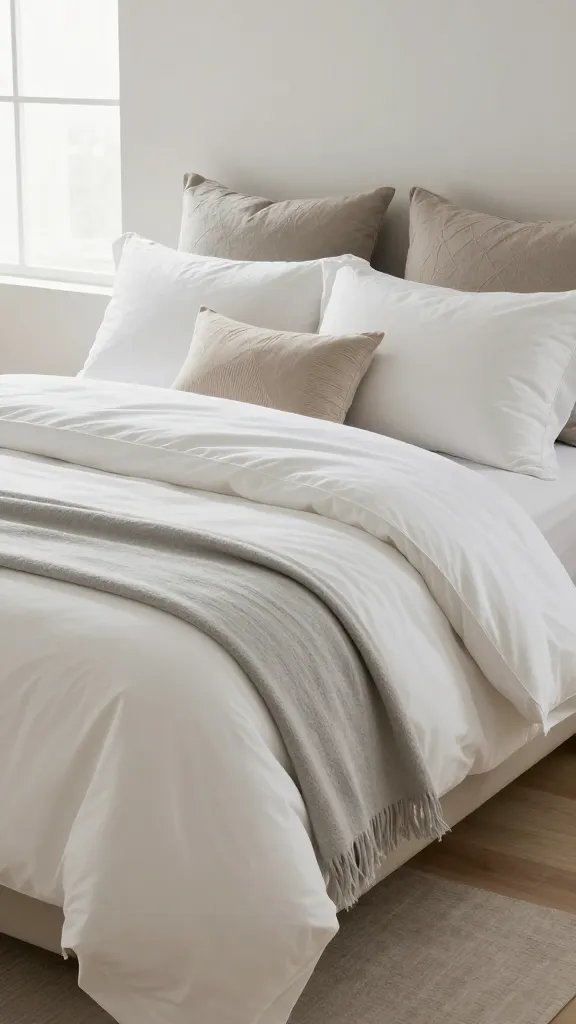
The bed is the centerpiece of your sanctuary, so why not treat it like a designer would—without selling a kidney to fund it? You can make a bed that looks effortless, chic, and incredibly comfortable with a few smart moves. No drama, just good bedding, smart layering, and a knack for tidy. Ready to elevate your sleep setup? Let’s do this.
Why a Designer Bed Feels So Good
Your bed isn’t just a place to crash; it sets the vibe of your whole room. A designer look isn’t about chasing trends; it’s about balance, texture, and scale. When everything plays nicely together, your brain says, “Ah, yes, this is cozy and intentional.” FYI, you can achieve that without a personal stylist or a celebrity budget.
Start with the Right Foundations: Mattress, Sheets, and a Calm Palette
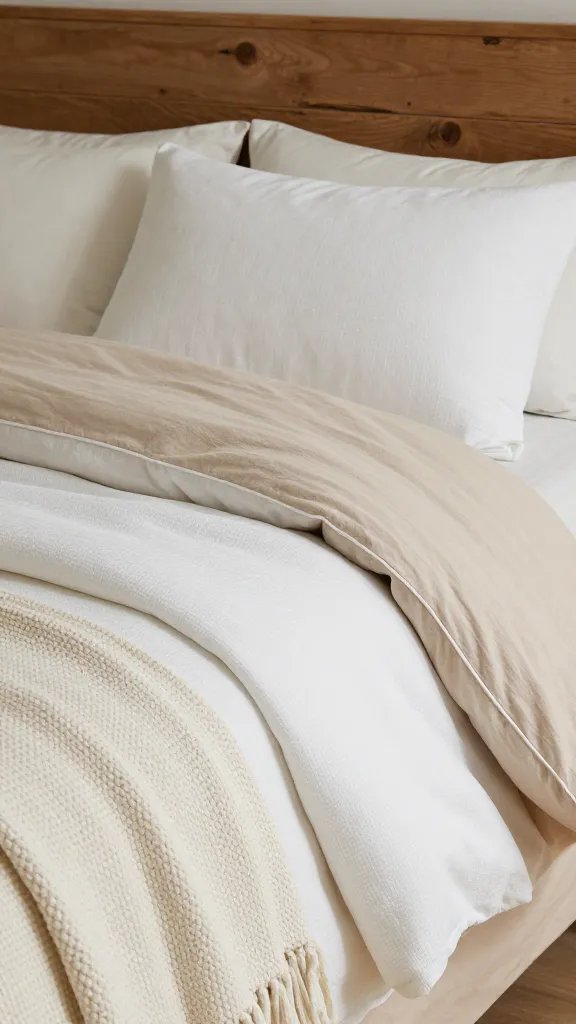
– Invest in a decent mattress that suits your sleep style. You deserve a good night’s rest, not a souvenir from the rack.
– Choose breathable sheets in a color that complements your room. White is timeless, but don’t shy away from soft neutrals or a gentle contrast.
– Pick a restrained color palette for the bed. Think two main tones plus an accent. The goal is calm, not a carnival.
Layering Basics: The Core Three Layers
– Fitted sheet: A clean foundation that stays put. If it pops off at night, you’ll abandon the rest of the look.
– Flat sheet or duvet cover: Adds polish and a tactile layer. Opt for a fabric you actually enjoy touching.
– Mattress topper or lightweight blanket: Extra loft without bulk. This is your secret weapon for hotel-like fluff.
Master the Art of the Fold: Fitted, Flat, and Fluff
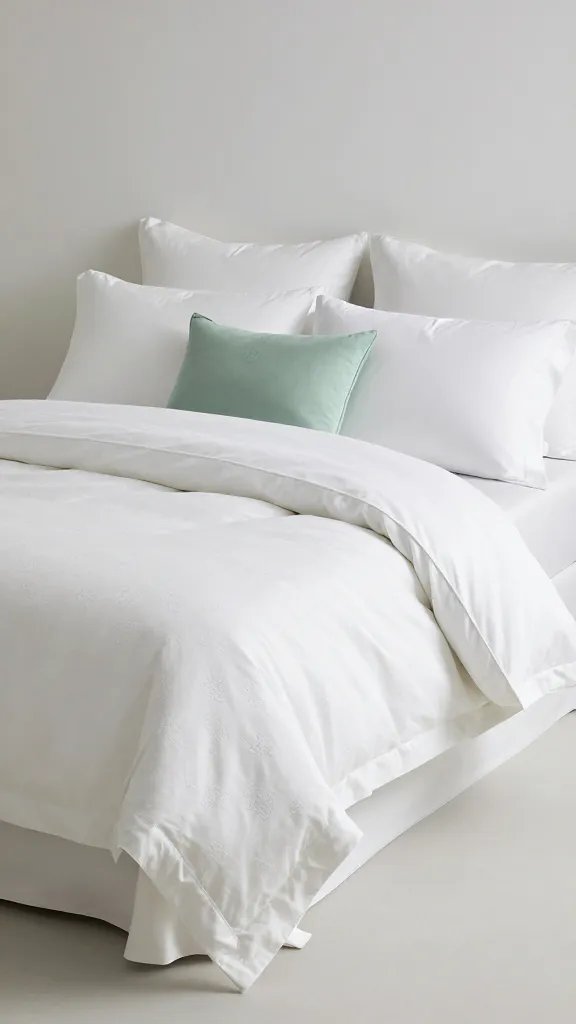
The magic isn’t in a single trick; it’s in the choreography. Start with clean, crisp corners and a sense of order.
How to Tuck Like a Pro
– Tuck the flat sheet evenly around all sides. A generous hospital corner looks tidy and keeps the sheet from creeping.
– Smooth out wrinkles with your hand as you go. No one wants a rumpled sheet disaster at 3 a.m.
– Layer the comforter or duvet evenly from edge to edge. You want symmetry, not a lopsided mountain.
The Duvet Dilemma: Which Style Works Best?
– Classic duvet on top for a traditional look.
– Duvet folded down at the foot for a casual, cozy vibe.
– If you hate wrestling with a heavy duvet, switch to a lightweight duvet insert or a duvet cover with corner ties to keep it in place.
Textures That Speak: Velvet, Linen, and Knit It All Together
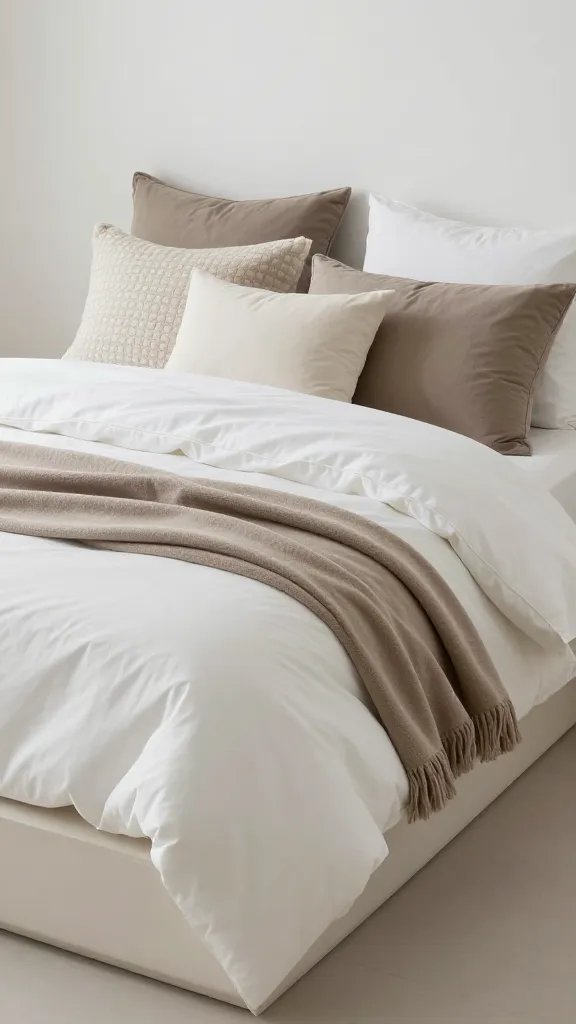
Texture is the designer’s secret sauce. It gives depth without needing a million colors.
- Top layer: A chunky knit blanket or a lightweight throw adds warmth and personality.
- Shams and pillows: Mix shapes and sizes, but limit the color palette to 2–3 hues.
- Comforters: A matte or satin finish can dramatically change the mood of the bed.
Mixing Textures Without Chaos
– Pair a smooth cotton sheet with a textured duvet cover.
– Add a velvet pillow for richness, but balance with a plain cotton pillowcase to avoid a sensory overload.
– Keep the sheen level in check; too shiny can feel loud, too matte can feel flat.
Pro-Level Finishing Touches: Pillows, Throws, and a Bed Skirt (Or Not)
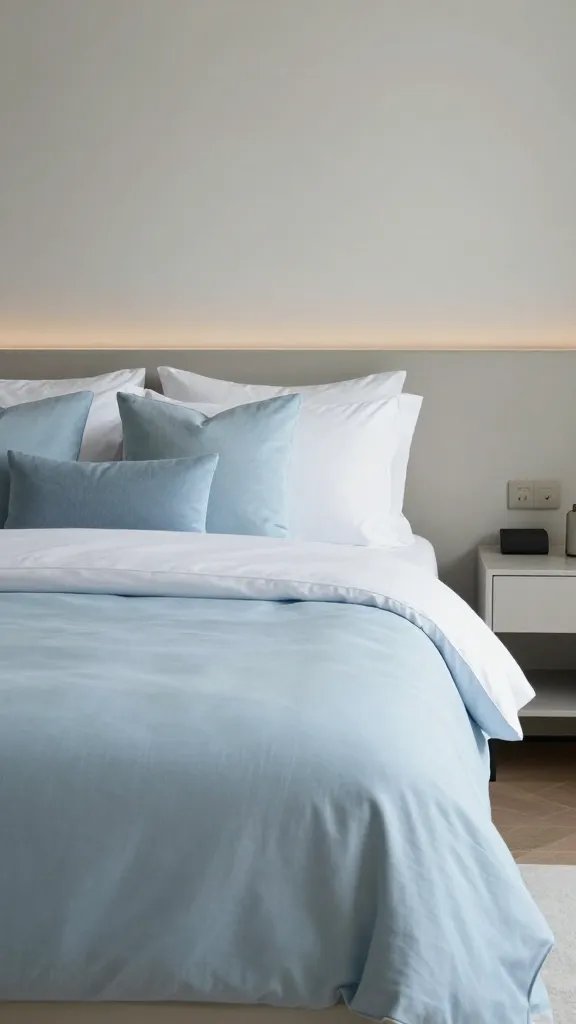
Pillows are where you either win big or overdo it. Aim for a curated collection, not a pillow pile.
- One two-tone bolster or lumbar pillow for structure.
- Two standard pillows with matching cases for symmetry.
- Two decorative shams or textured cases to echo the room’s color.
To Bed Skirt or Not to Bed Skirt?
– If you want a clean, tailored look, go for a bed skirt that hits the floor or a platform bed without one. It hides under-bed clutter and looks sleek.
– If you’re short on storage or prefer a lighter aesthetic, skip the skirt and rely on the mattress frame’s lines to do the heavy lifting.
Color, Light, and Scale: Make Your Room Read Like a Magazine Shoot

The way your bed sits in the room changes how you perceive it. Consider how light bounces in your space and which colors draw the eye.
- Light: Morning sun versus artificial light shifts tones. Test colors at different times of day.
- Scale: If your room is small, avoid oversized bedding that makes the bed look bulky.
- Accent hues: Pull a color from a rug or artwork and echo it in a pillow or throw. This ties the room together without shouting.
Maintenance Habits That Keep Your Bed Looking Designer-Ready
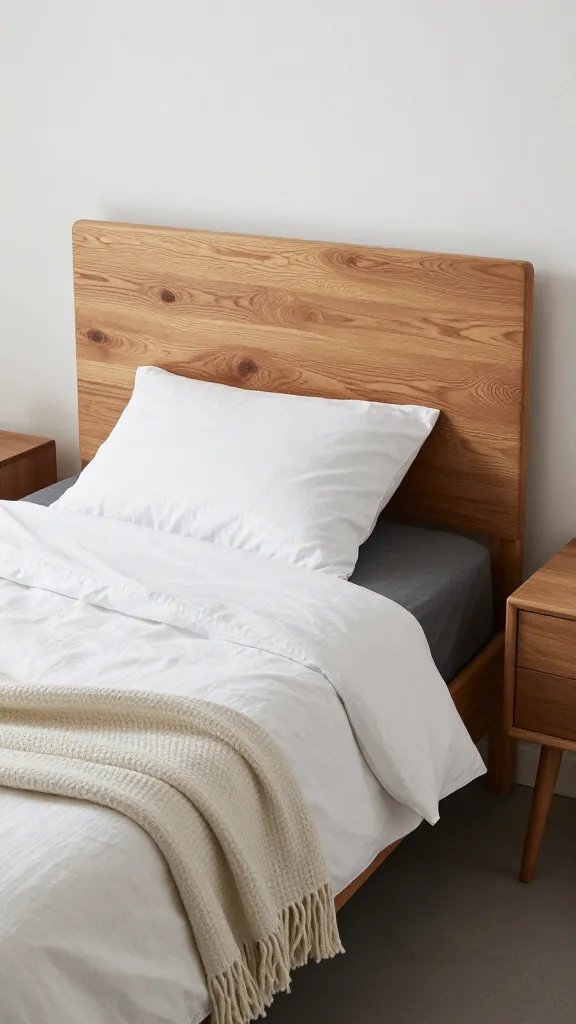
Even the best setup loses its luster without a little upkeep.
- Wash sheets weekly or biweekly, depending on sweat levels and allergies. Don’t let them get crunchy; that’s a vibe no one wants.
- Rotate pillows every couple of weeks to extend their life and avoid flat spots.
- Treat spills immediately. Blot, don’t rub, and use a fabric-safe cleaner if needed.
FAQ
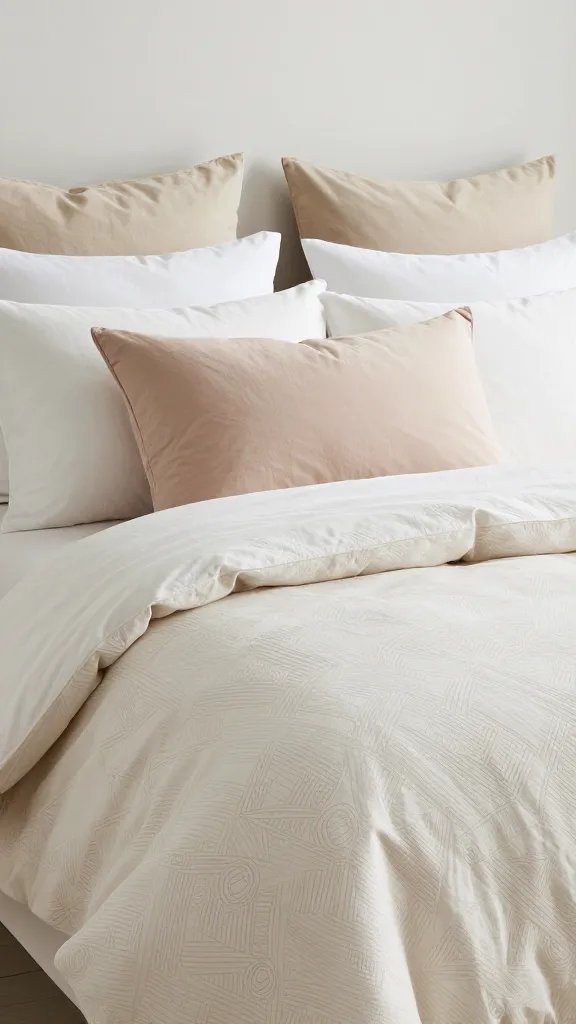
How often should I change my bedding to keep it fresh?
Wash sheets every 1–2 weeks, pillowcases even more often if you face nighttime skin or hair issues. Do a quick refresh with clean pillow covers and a light blanket if you’re swapping seasons.
What’s the simplest way to achieve a designer look without spending a fortune?
Focus on layering basics: a solid, well-fitting sheet set, a neutral duvet, and a couple of textured accents. Use what you already own creatively—fold a throw at the foot of the bed, mix pillow shapes, and keep colors cohesive. FYI, small swaps like a new pillow insert or a chic throw can make a big impact.
Are bed skirts really necessary?
Not at all. They’re optional and depend on your style and storage needs. If you’re chic and minimal, skip it. If you want a polished, hotel-like finish or hide storage bins, go for it.
How do I prevent my bed from looking messy during the day?
Establish a quick routine: straighten the flat sheet, smooth the comforter, fluff pillows, and tuck the edges. It should take under 2 minutes. Pro tip: do a nightly 60-second tidy before you retreat to binge-worthy shows.
What fabrics work best for a “designed” look that’s still comfy?
Natural fibers rule here. Think cotton percale, linen blends, or soft cotton flannels for winter. They look crisp but feel breathable. Avoid overly glossy synthetics that scream “showroom floor.”
Conclusion
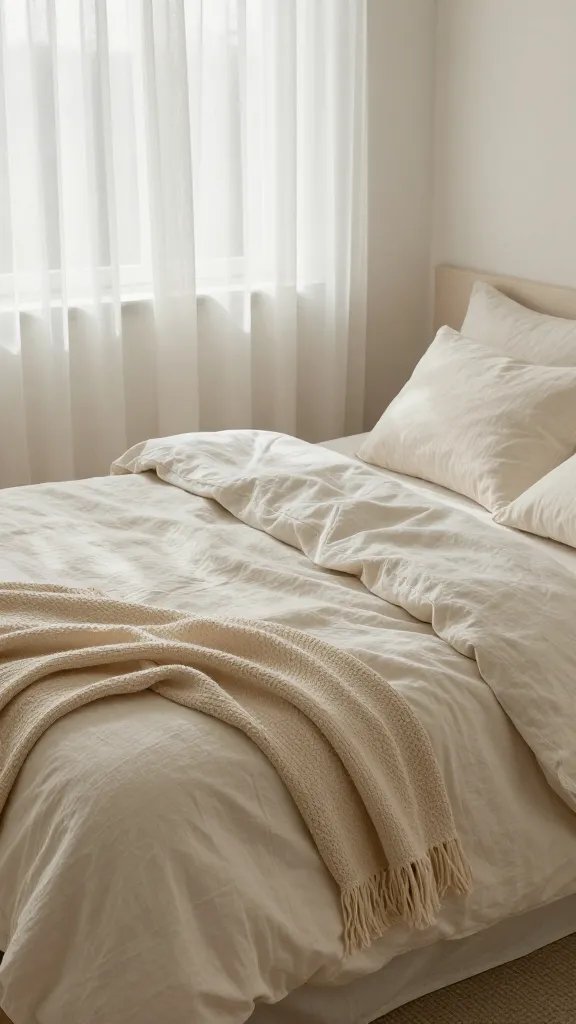
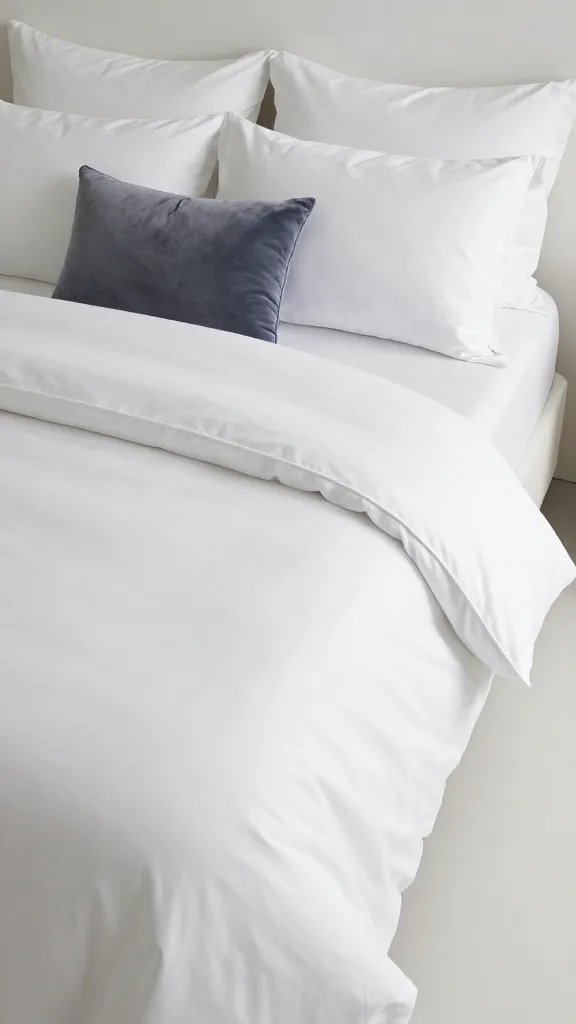
You don’t need a stylist’s stamp of approval to get a bed that feels curated. With smart layering, thoughtful texture, and a calm color story, you can nail that designer vibe at home. It’s less about chasing perfection and more about creating a space that invites you to breathe, relax, and actually enjoy making your bed. So roll up your sleeves, pick a couple of textures you love, and give your bed the glow-up it deserves. IMO, your future self will thank you every morning.