
How to Decorate an Empty Corner with Plant Stands: Tiny Forest Vibes
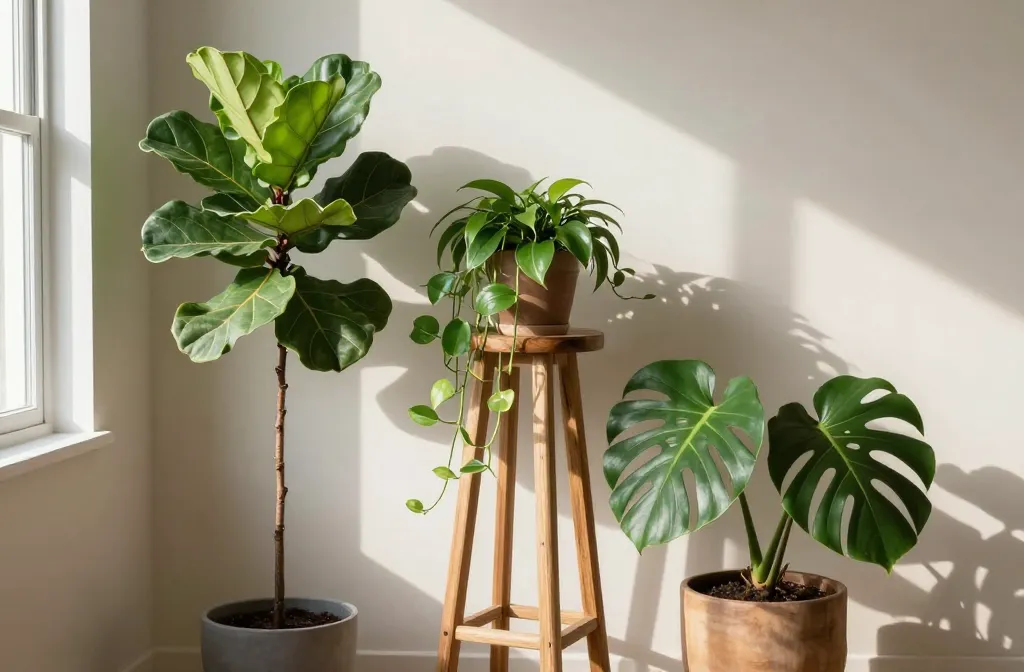
The empty corner in your room is basically begging for a tiny forest. You bring in a plant stand, and suddenly that bare space becomes the life of the party. It’s not a big project, but it can totally transform the vibe with zero drama.
Why plant stands are the secret sauce for corners
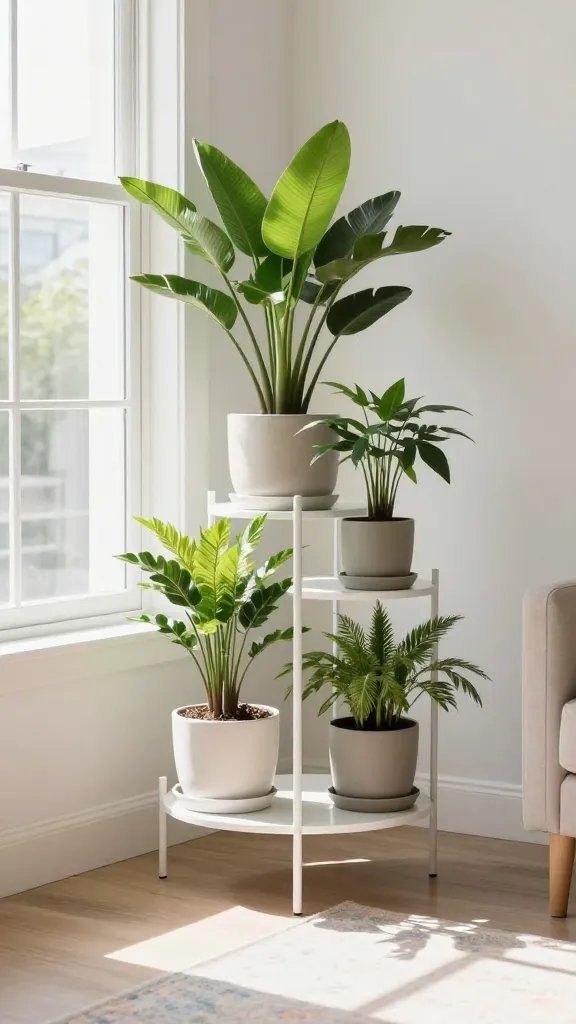
A corner can feel neglected like an afterthought, but plant stands give you height, texture, and personality without remodeling your space. They’re affordable, flexible, and easy to swap out as the seasons change. The right stand lowers the barrier to bringing nature indoors, and you don’t even need a green thumb.
Assess the corner: what’s already there and what’s missing
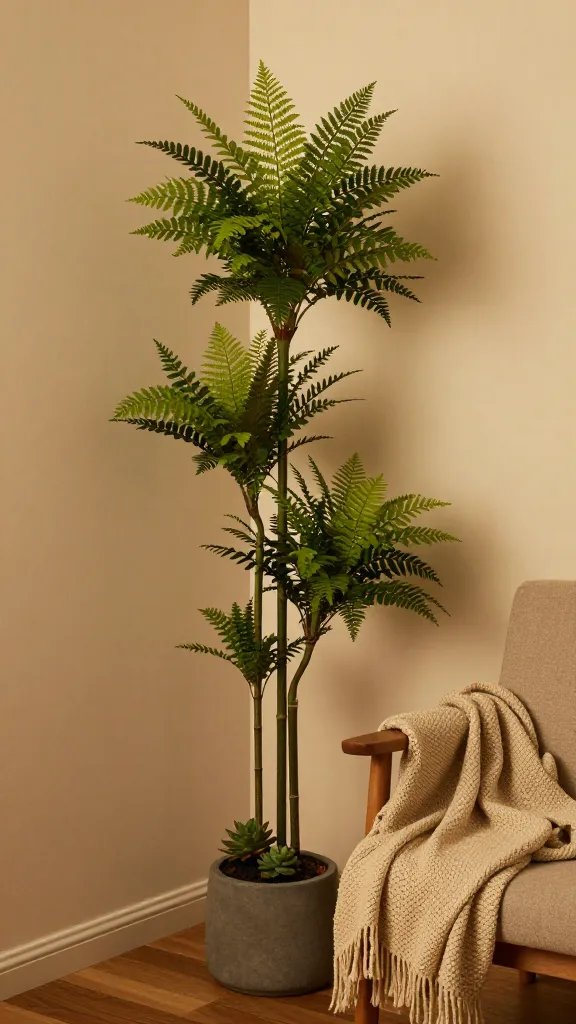
Take a quick inventory before you shop or move things around.
- Light: Is the spot bright, or does it barely see the sun? Some plants crave sun, others do fine in low light.
- Floor space: Do you have a clean corner or a bowing ceiling fan judging your height choices?
- Color and style: Do you want the stand to blend in or stand out?
Ask yourself: what feeling do I want to evoke? Calm greenhouse, tropical burst, or edgy modern minimalism?
Pick a stand that fits your vibe (and your corner)
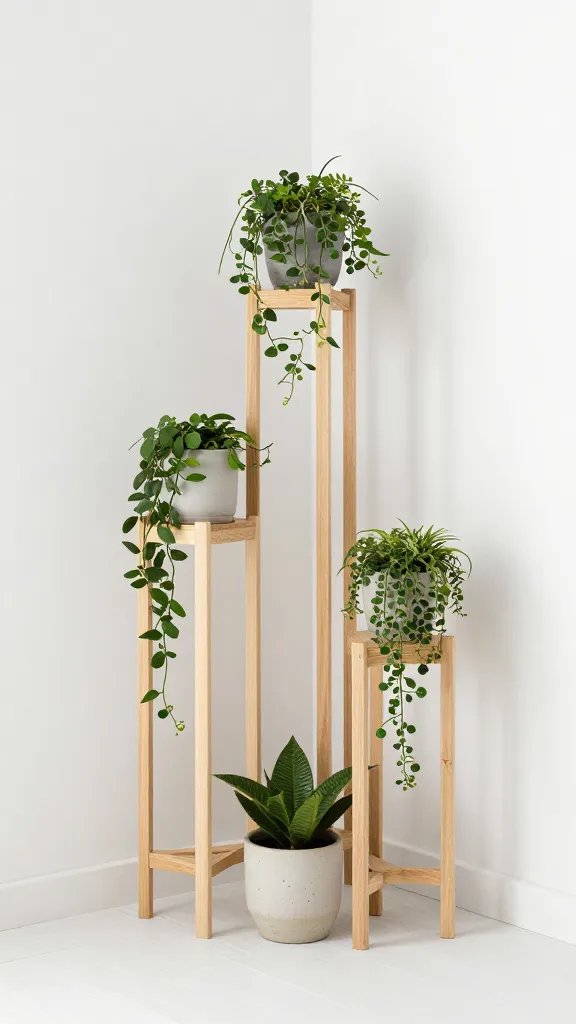
There are lots of stand styles, and your corner should guide you.
Low, wide stands for stability and crowd control
If you’ve got dogs, kids, or a busy living room, a broader base keeps things from tipping. These are great for using a single statement plant like a fiddle-leaf fig or monstera.
Tall, sculptural stands for drama
Want a vertical moment? A tall stand adds height without taking up floor space. Pair a towering plant like a yucca or a slim kentia palm with a sleek metal frame for a modern look.
Stackable or tiered stands for variety
Tiered stands let you layer plant sizes and textures in a small footprint. They’re perfect for showing off a mix of trailing vines, succulents, and a bold centerpiece.
Layer textures and colors: what to mix and why
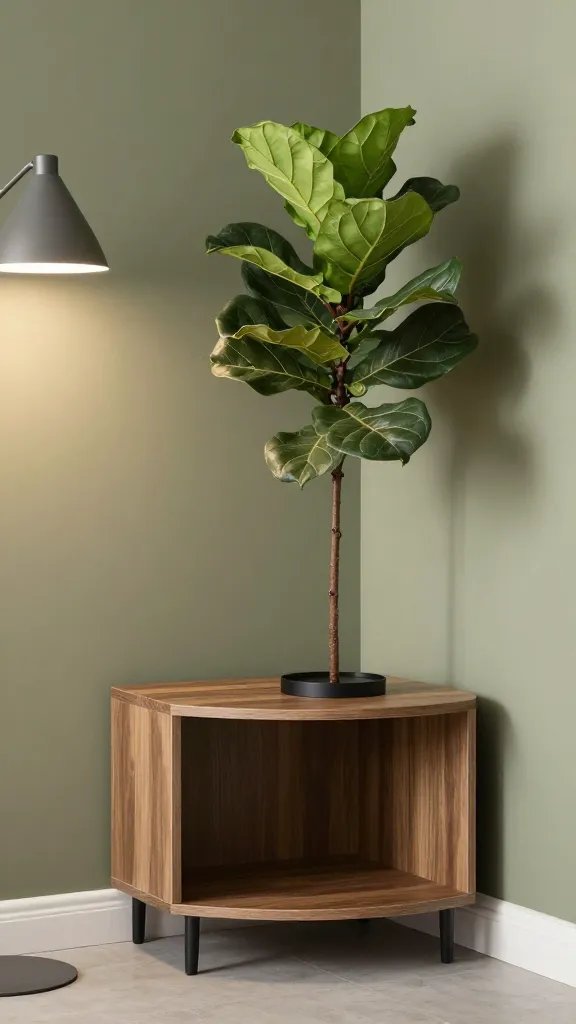
A corner feels flat until you add a mix of visuals.
- Texture: Combine glossy leaves with fuzzy ones, and slick pots with woven baskets.
- Color: Use pots in a cohesive palette or a bold contrast to create a focal point.
- Scale: Mix tall, medium, and small plants for depth. Don’t put two tall ones side by side unless you want a jungle symmetry crisis.
- Seasonal accents: Swap out a few decorative items or a throw rug to keep things fresh.
Positioning and spacing: the art of the perfect nook
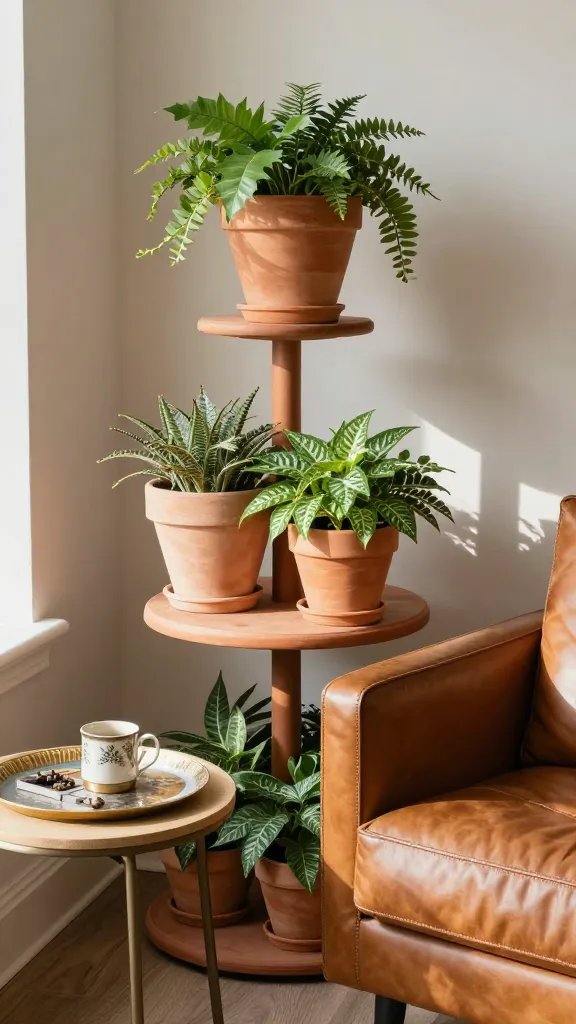
Placement matters more than you think. A corner can feel cramped if you pack it with plants, or lifeless if you neglect it.
Play with depth
Push one stand a little farther back than another. Add a trailing plant that drapes over the edge to soften the silhouette. The eye loves layers.
Mind the doorways and pathways
Don’t block traffic or light sources. If you share the space with a coffee nook, set stands so you still have a clear route to the kettle without stepping on a pothos.
Care tips so your corner stays thriving, not drama-filled
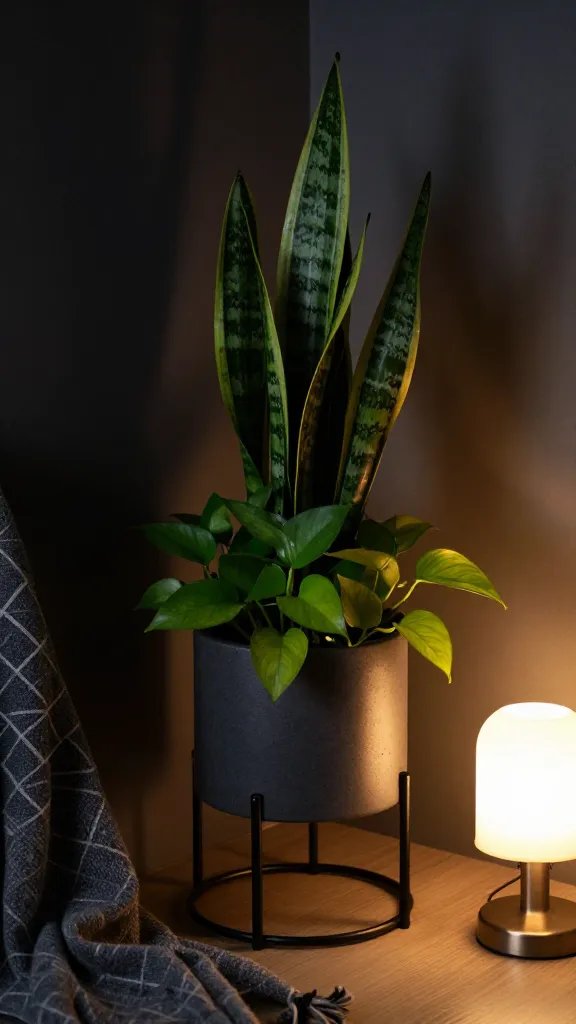
Plants love consistency, but constant hovering isn’t required. A few basics go a long way.
- Water smart: Check soil moisture before watering. Most stands with drought-tolerant plants can wait a few extra days.
- Light tuning: Rotate plants every couple of weeks so they don’t lean toward the window like a shy atoll.
- Dust control: Wipe leaves every now and then so they can photosynthesize with gusto.
- Feeding rhythm: A light fertilizer every month or two during growing seasons keeps things vibrant.
DIY touches: customize your stand ensemble
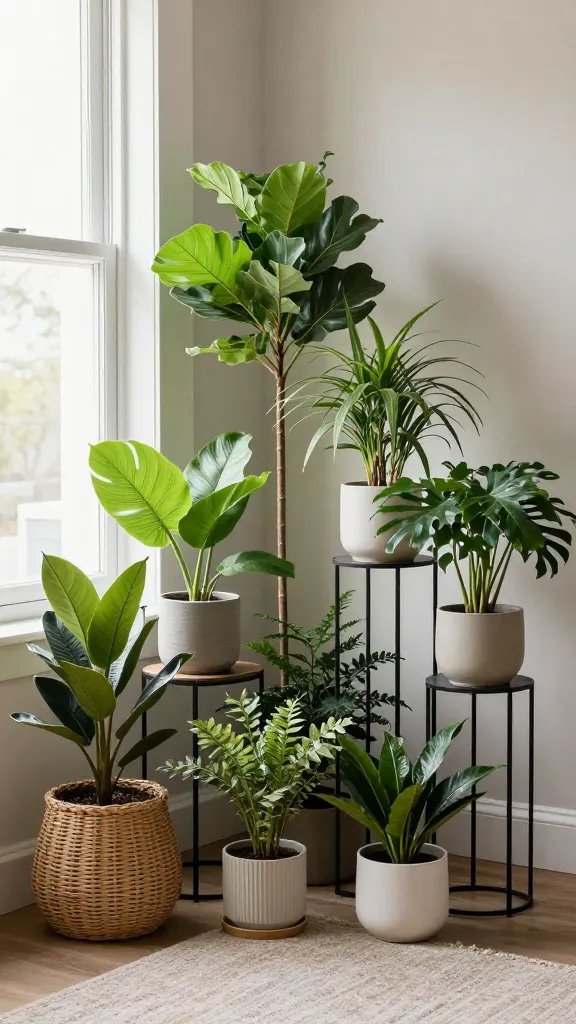
You don’t have to buy everything in one go. DIY tweaks give you a unique look without a big budget.
Repurpose what you have
Old crates, stackable bookshelves, or even a sturdy ladder can become plant stages. Sand, stain, or paint to match your decor, then layer in plants and baskets for a curated vibe.
Create a mini showroom
Use a single color family for pots and variegated greens for a cohesive gallery feel. Rotate plants in and out like rotating art in a gallery—keep it fresh, but intentional.
Common pitfalls and how to avoid them
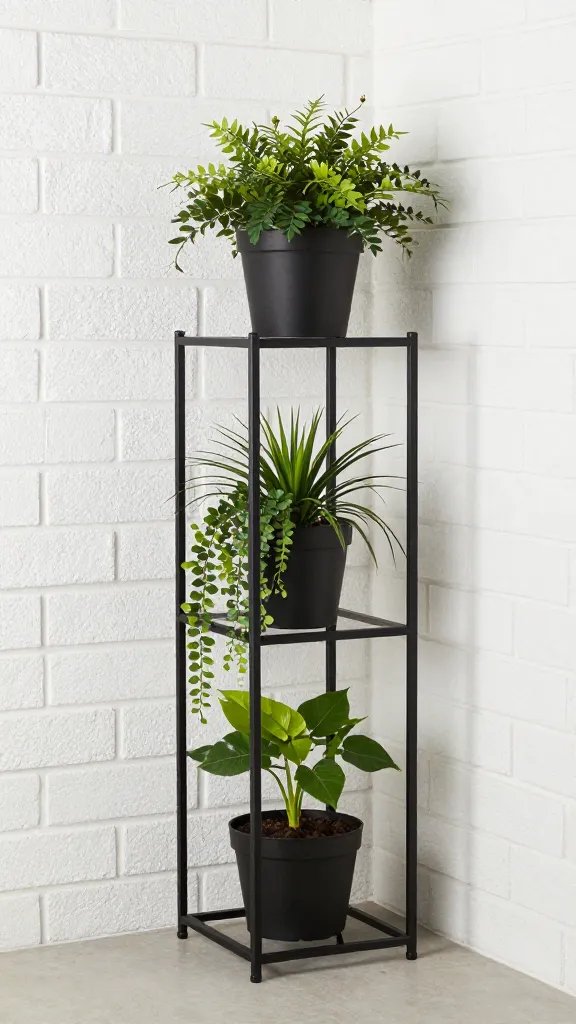
A few missteps can turn your corner into a plant cemetery or a cluttered corner.
- Overcrowding: More isn’t always better. Space helps air flow, plant growth, and your sanity.
- Too-dark or too-bright: Know your light conditions and pick plants accordingly. FYI, some plants tolerate a wide range, while others sulk without sun.
- Unstable stands: If your stand looks wobbly, it probably is. Secure the base or weight it with a heavier pot on the bottom tier.
FAQs about decorating with plant stands in corners
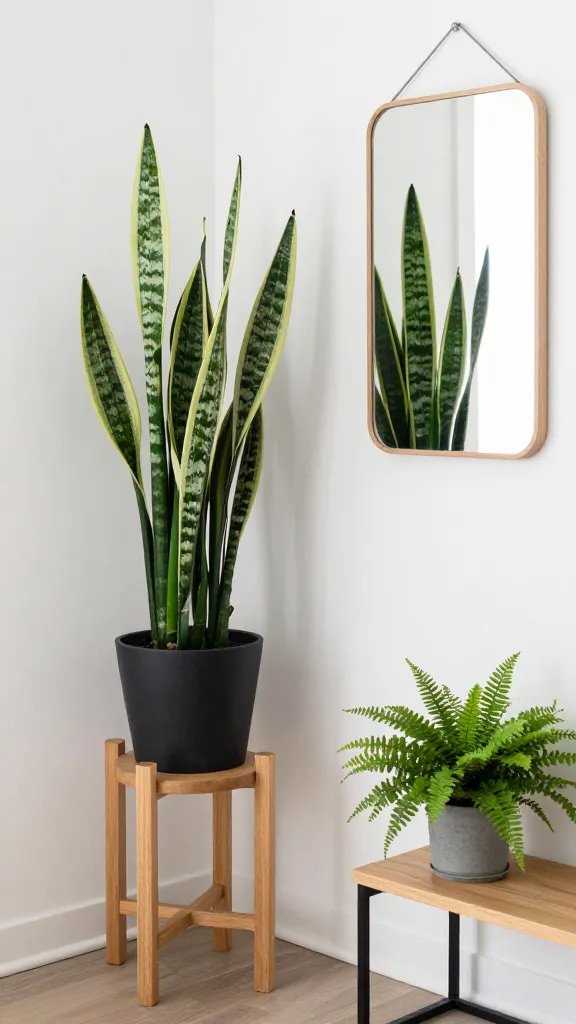
What’s the easiest way to start if I’m overwhelmed by options?
Start small. Pick one standout plant and a simple, sturdy stand. Place it in the corner and see how you feel after a week. If you want more, add a second stand at a different height. Slow and steady wins the jungle race.
How do I choose the right plants for a shaded corner?
Low-light favorites include snake plants, ZZ plants, pothos, and philodendrons. They’re forgiving, keep their shape, and don’t beg for daily sun. If you love color, add a flowering plant that tolerates shade, like an anthurium or a peace lily, but don’t expect full sun vibes.
Can I mix materials (wood, metal, rattan) in the same corner?
Yes, absolutely. A mixed-material arrangement adds texture and interest. Just keep a loose color thread through the pots or baskets to tie it together. IMO, contrast is your friend—just don’t go full chaos.
How high should my plants be on the stands?
Aim for a tiered look with heights ranging roughly from 12 inches to 48 inches, depending on ceiling height and the plants you choose. A good rule: don’t block sight lines or light sources, and keep at least one plant eye-level to draw attention.
What about cats and curious hands?
Secure heavier stands or place them where curious paws can’t topple them. Use pots with matte, non-slip pads or a shallow tray to catch any little accidents. If your pet is a climber, pick plants that are non-toxic to pets, or position the stands where they can’t reach them.
Conclusion: your corner, your gallery
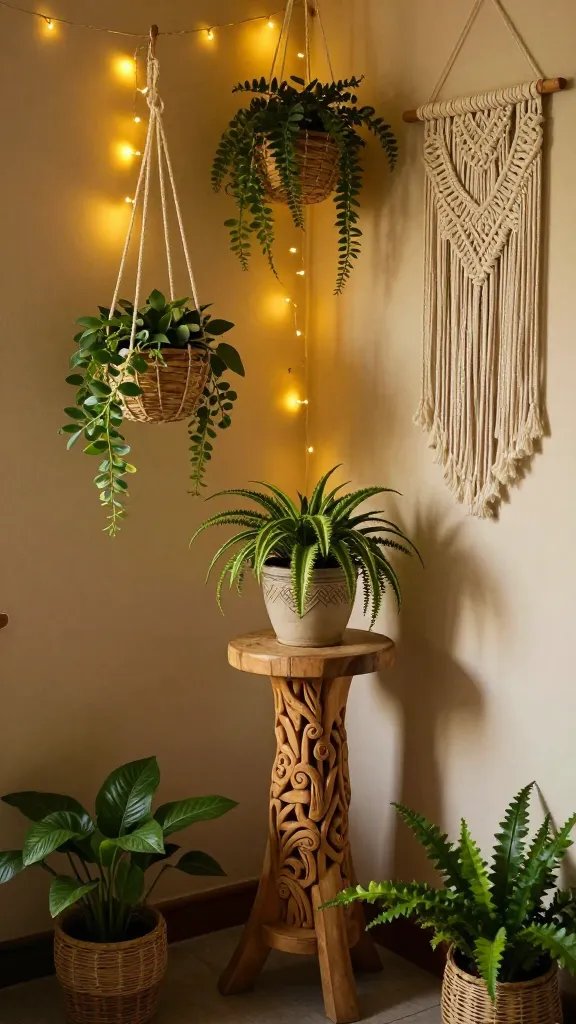
So there you go: transform that empty corner into a personal plant gallery with the right stand, the right plants, and a dash of DIY flair. A few strategic choices—height variety, texture mix, and careful placement—make the space feel intentional rather than accidental. FYI, your future self will thank you when you walk into a room and the corner already feels curated, not lonely.
If you’re itching to try a quick setup tonight, grab a tall stand for a statement plant, a mid-height option for a trailing vine, and a little basket for moisture-loving foliage. Keep it playful, keep it evolving, and watch your room breathe with life.