
How to Choose Paint Colors for Home Without Stress
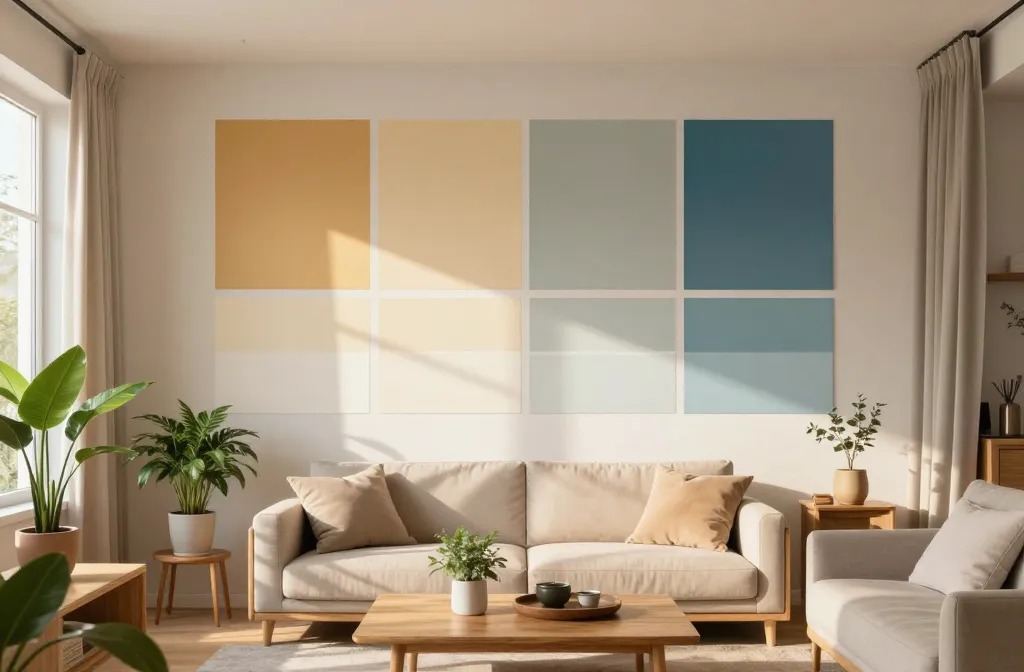
Picking paint colors for your home shouldn’t feel like brain surgery. It should be fun, a little messy, and totally doable. Let’s skip the guesswork and get you some color confidence—without the stress.
Know Your Space: Start with a Clean Palette
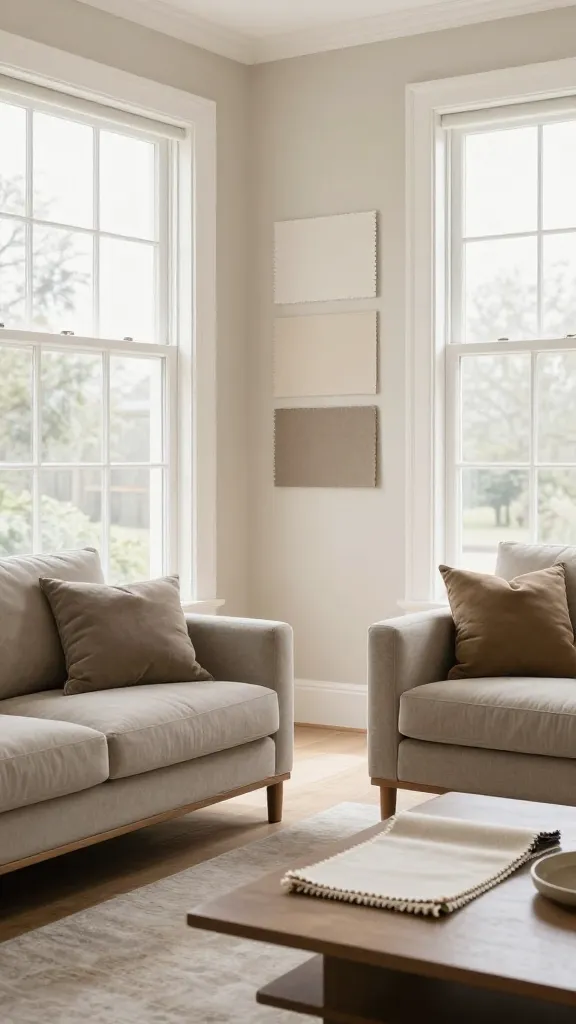
Are you painting a single room or the whole house? Either way, begin by noting how light moves through the space. Morning sun vs. evening shade can change a color’s mood faster than a caffeine boost. FYI: you’ll rarely get a “perfect” color on the first try, and that’s totally normal.
– Check existing furniture: If you love your sofa, pull a swatch from it and let it guide your hue.
– Consider the architectural vibe: Modern, cozy, farmhouse, or coastal? Your style should steer the wheel.
– Start with a neutral backbone: A flexible base makes it easier to swap accents later.
Test, Test, Test: The Color-Testing Ritual
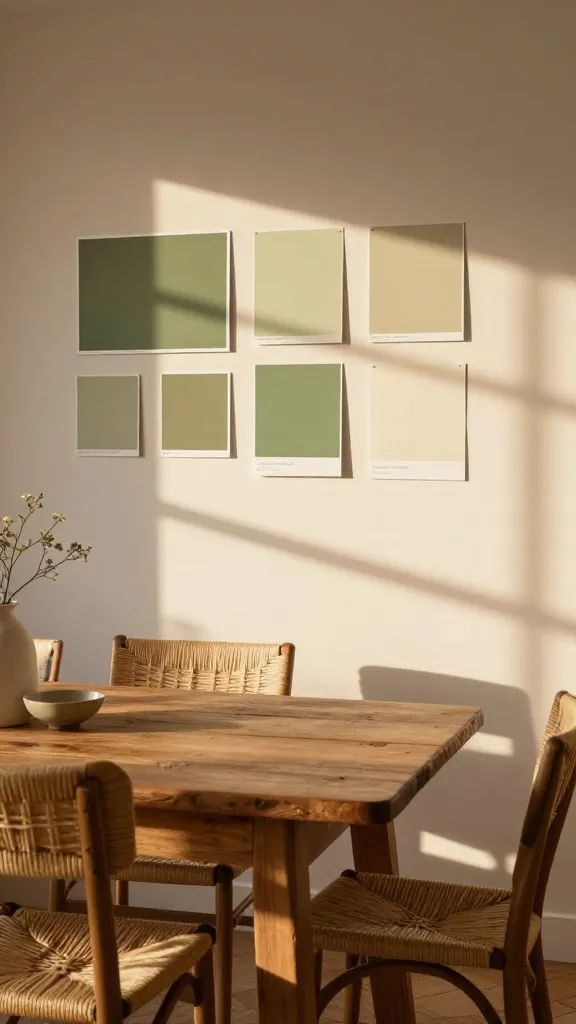
Nothing beats a real-world test. Paint swatches on a wall and observe at different times of day. Do not rely on a tiny chip under store lighting—that’s practically a prank.
- Paint large patches (at least a 2×2 foot square) on several walls.
- Live with them for a week. Notice how they feel with your drama-prone lamp and your dramatic curtains.
- Evaluate the undertones: Does a gray read a touch blue, green, or violet? Do you love or hate it with your warm wood floors?
Undertones and Mood: Decode the Color Whisper
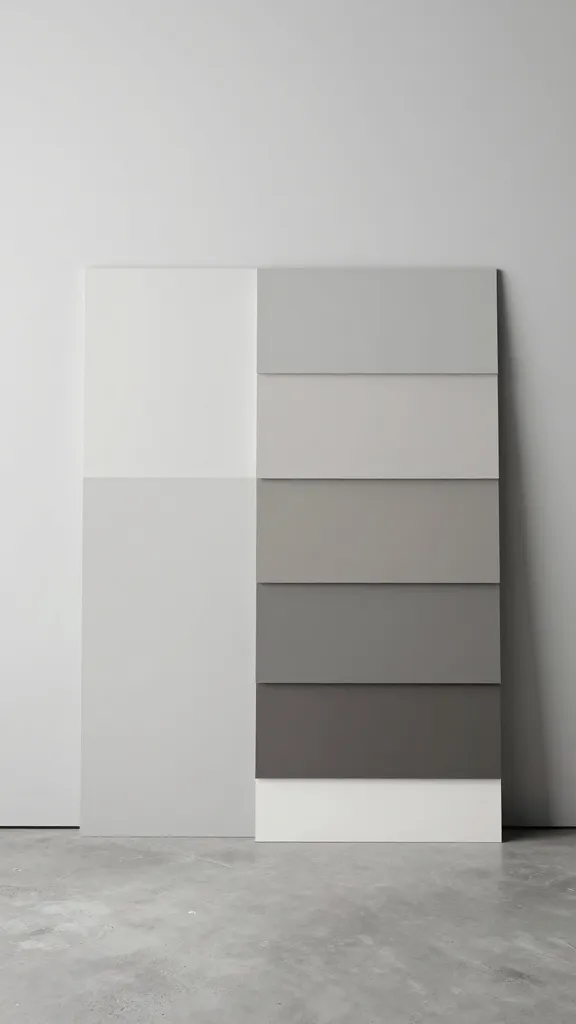
Colors aren’t just colors; they’ve subtexts. Undertoness can flip a room’s vibe quicker than a mood playlist.
Cool vs. Warm: The Temperature Tug-of-War
– Cool tones feel airy and calm; they recede visually and brighten small rooms.
– Warm tones cozy things up and make spaces feel intimate. Great for living rooms and bedrooms.
Understand Undertones
– Grays aren’t just gray: they carry undertones of green, blue, or violet.
– Beiges aren’t beige: they carry pink, yellow, or gray hints.
– The test: compare the swatch against natural white light and a warm lamp. If it shifts too far, move on.
Pick a Family, Then a Hero Color
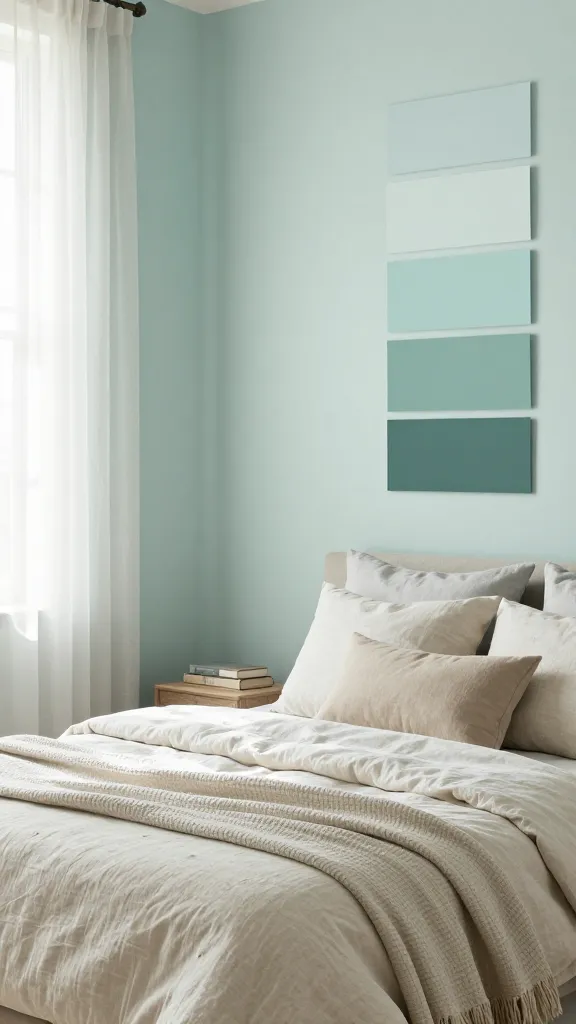
Think of your color plan like a band: you pick a lead color (hero) and support colors (bodies and accents). This keeps rooms cohesive without turning them into a color chaos.
– Hero color: The wall you’ll see first. Pick one you genuinely love and can live with for years.
– Supporting neutrals: Choose light and dark neutrals that balance the hero.
– Accent moments: Use bold pops for personality—pillows, art, or a single statement wall.
Light Matters: How to Use Light to Your Advantage
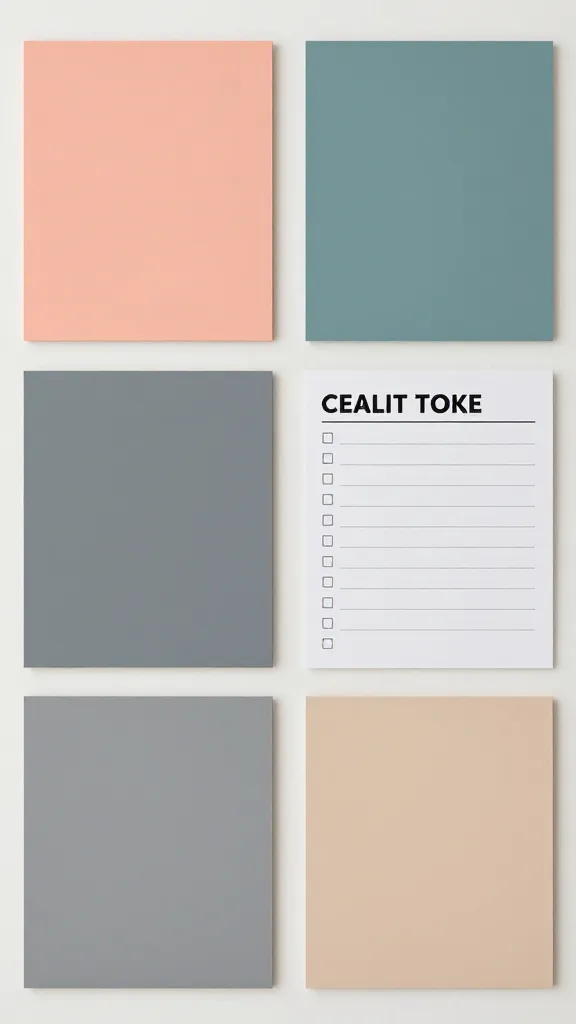
Light transforms color. A bright North-facing room might need a warmer hero to avoid a chilly vibe. A sun-drenched South-facing room can handle cooler hues without feeling sterile.
Natural Light vs. Artificial Light
– Natural light shows the true color during the day.
– Warm bulbs (soft white) can warm up beige/gray tones.
– Cool bulbs (daylight) can make greens and blues pop.
Ceiling and Trim: The Frame That Finishes the Painting
– Ceiling color can change the perceived height of a room. Bright white ceilings feel taller; creamy ceilings feel cozier.
– Trim and doors offer a crisp edge. Matching trim to the wall color can feel seamless, while contrasting trim adds drama.
Practical Considerations: How Real Life Slaps You with Mess and Mood
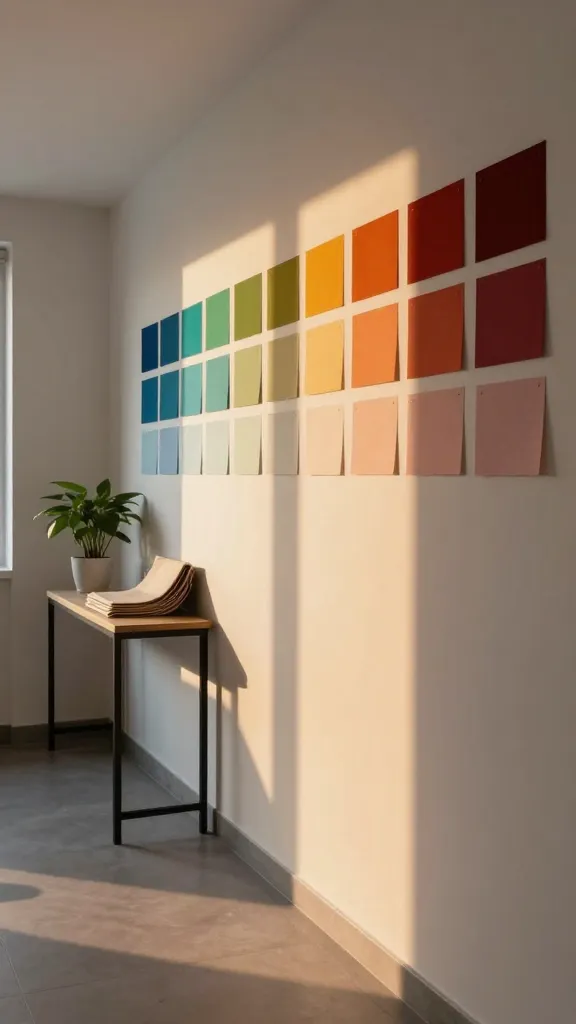
Color doesn’t exist in a vacuum. It shares a room with furniture, pets, kids, and that spilled coffee you haven’t cleaned up yet.
– Durability matters: If you have kids or pets, consider washable matte or semi-gloss for easier cleaning.
– Color psychology: Soft blues feel calming; greens evoke nature; terracotta warms things up.
– Maintenance: Lighter walls show dirt quicker, darker walls can show dust in the corners.
Texture and Finish: The Finish Line
– Matte/Flat: Subtle, hides imperfections, but can be harder to clean.
– Eggshell/Satin: Balance of durability and subtle sheen; great for living areas.
– Semi-gloss/Gloss: Easy to clean, ideal for kitchens and bathrooms, but highlights wall flaws.
– Pro tip: For colors you love but surfaces you worry about, pick a finish that makes cleaning easier and keep the color same.
If You Want a Foolproof Plan: A Simple Color Blueprint
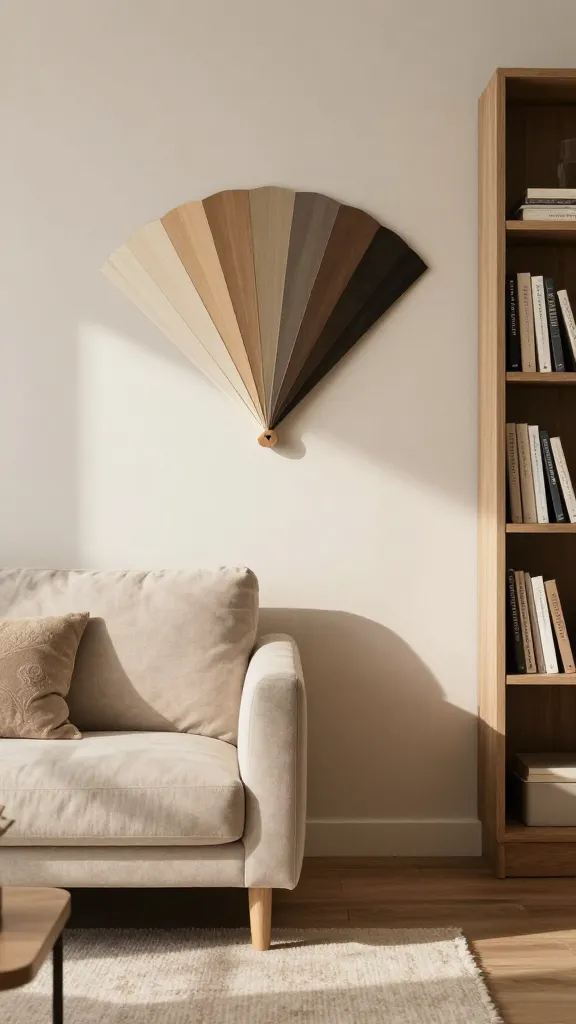
Here’s a quick, no-stress recipe to get you there.
– Step 1: Choose a hero color you adore. It could be a warm terracotta, a calming blue, or a soft sage.
– Step 2: Pick two neutrals: one light for walls (or the majority) and one darker for accents or trim.
– Step 3: Add two small pops of color. Think art, pillows, or a plant shelf color.
– Step 4: Test with big swatches on multiple walls. Observe for a week.
– Step 5: Decide and commit. You’ll feel lighter once the big walls are done.
Common Pitfalls and How to Dodge Them
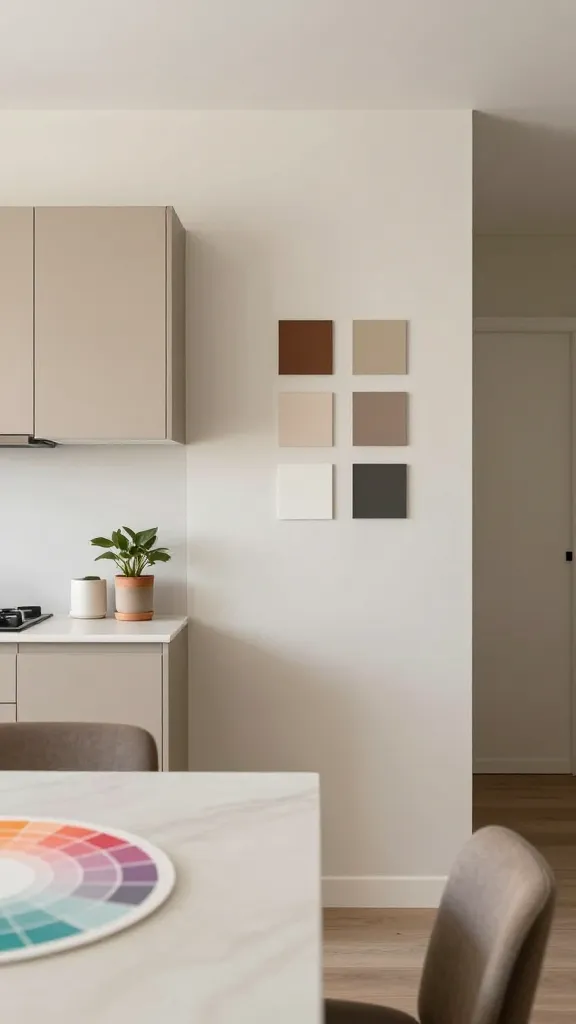
– Picking a color in a store under unnatural lighting: Always test in the actual room.
– Copying a photo you love without checking undertones: Photos can hide undertones. See it in person.
– Forgetting about furniture: Walls hum with furniture color; if you can, plan around big pieces.
– Overloading with color: You don’t need a rainbow in every room. Consistency creates flow.
FAQ
How many colors should I use in a single room?
Aim for a maximum of three to four distinct colors in a room: one hero wall color, one neutral for most walls, a second neutral for balance, and a small dose of an accent color. More than that, and the space starts competing with itself. IMO, restraint is stylish.
Is it okay to paint over wallpaper?
Yes, but you’ll want to prepare the surface properly. Remove or seal strong patterns, clean edges, and use a primer that adheres to wallpaper. Bad prep = peeled paint in a week. Don’t DIY disaster yourself.
What about color trends vs. timeless colors?
Trends are fun, but you live with colors longer than a season. Pick timeless, versatile shades for walls, and reserve trendier hues for accents that are easy to swap out. FYI, you’ll thank yourself later.
How long should paint cure before I move furniture back?
Most paints cure to handling in about 4 hours and fully cure in a couple of days, but drying times vary. It’s smart to wait 24 hours before heavy furniture. Quick tip: open windows and turn on a fan to speed up the process.
Can I match wall color to my furniture?
Absolutely. Start with the largest furniture piece and pull an tone from it to a wall color. That creates harmony. If your furniture is bold, opt for a calmer backdrop to let pieces shine.
Conclusion
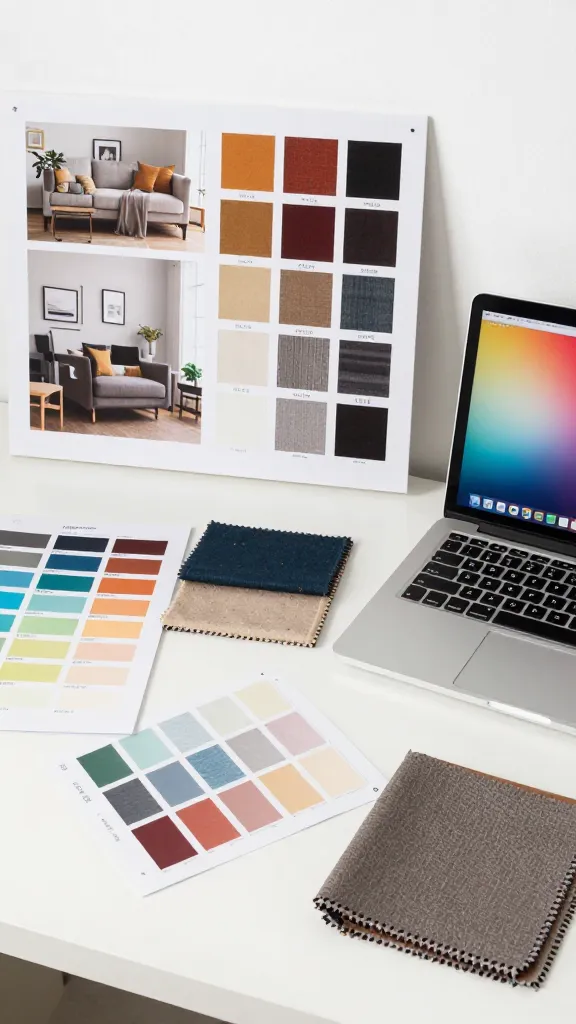
Painting your home is less about chasing a perfect shade and more about curating a feel you actually want to live in. Start with a vibe, test like crazy, and let the room evolve with you. It’s a small project with a big payoff—fresh energy, fewer arguments about what color “should be,” and a space that feels genuinely you. So go ahead, pick that hero color, pair it with friendly neutrals, and let your walls do the talking. IMO, you’ll love the results.