
14 Hamster Cage Ideas Diy for Cozy, Aesthetic Room Décor: Chic Hacks
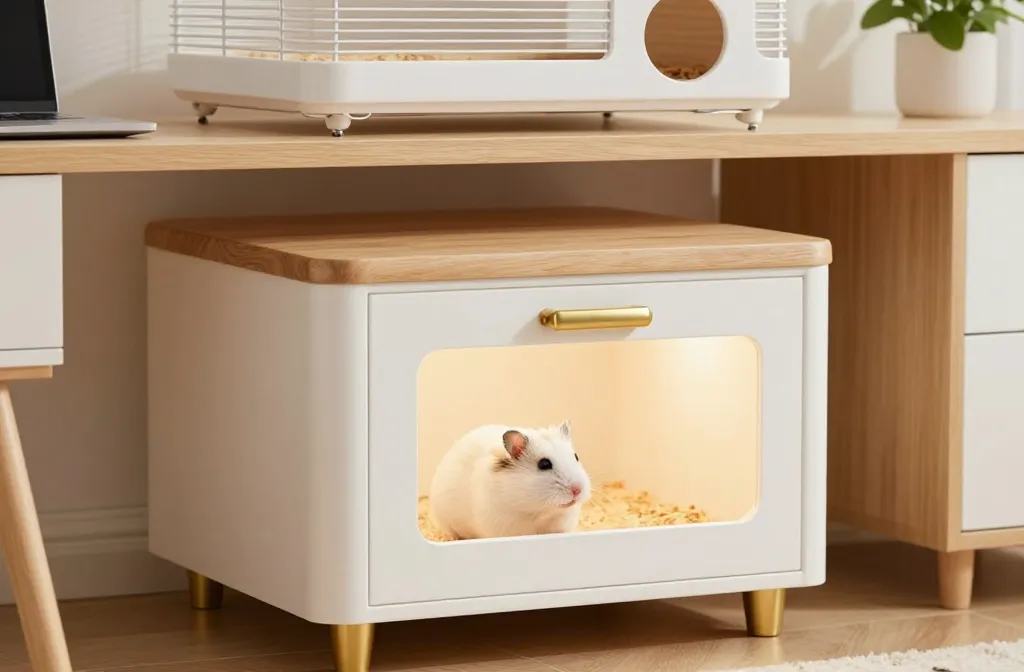
Ever wonder how to make a hamster cage look less like a prison and more like a chic corner of your room? You’re in the right place. Here are 14 DIY ideas to turn a simple hamster cage into cozy, aesthetic decor that fits your vibe—and your wall space.
Hamster Cage Ideas Diy are a creative way to design a stylish and organized pet space that fits perfectly into modern home decor.
1. The Mini Studio Apartment: Tiered Cage Shelving
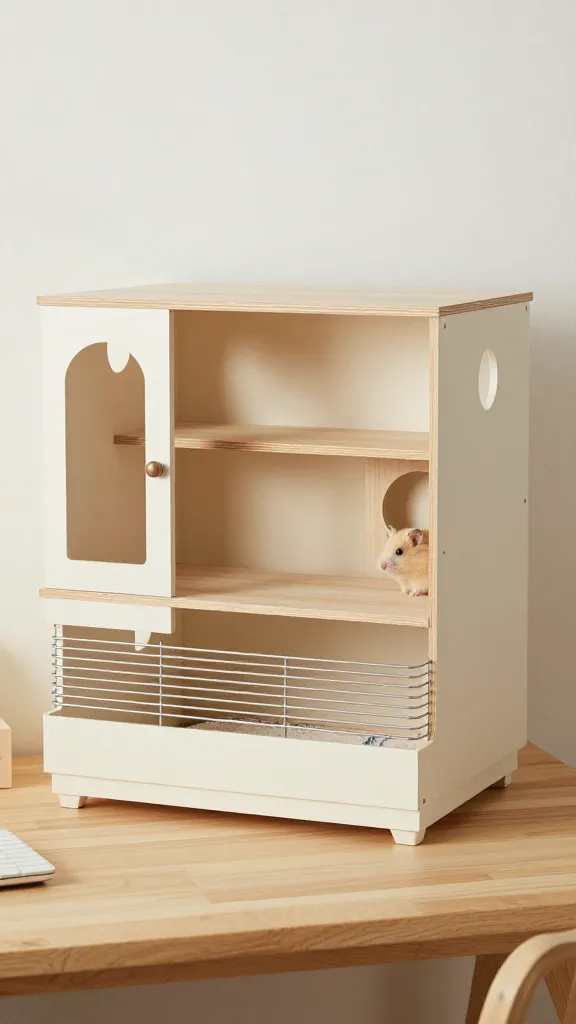
Is your desk begging for a little personality? Build a tiered cage that sits on a small shelf or table. Use shallow, modular levels so your hamster can explore without escaping your study area.
– What you’ll need: lightweight planks, safe non-toxic paints, masking tape, and a ratcheting shelf kit.
– Pro tip: Leave space for ventilation and easy cleaning. FYI, airflow > fashion in this case.
Deeper dive: Safety first
– Pick non-toxic finishes and sealants.
– Avoid small gaps where paws or noses could get stuck.
– Clean regularly to prevent dander from turning your space into a sneezy zone.
2. Hidden Gem: Furniture-Integrated Cages
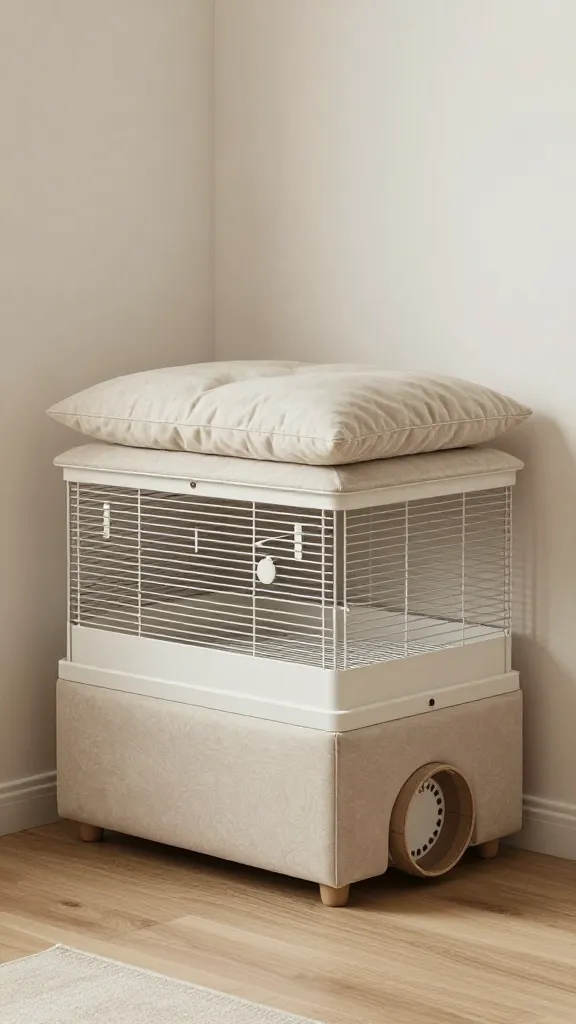
Turn a storage ottoman or a low side cabinet into a hidden hamster hub. The front can be a cute door panel, while the interior houses the cage.
– Advantages: stealthy, reduces clutter, and you already know where your pet lives.
– Quick setup: partition the interior with clear acrylic panels to separate play space from nesting area.
Pro tips for aesthetics
– Match hardware finishes to your room: brushed brass, matte black, or white minimalist.
– Use soft, warm lighting to highlight the hidey holes without making it look dingy.
3. The Circuit Board: Modular Playgrounds
Create a modular playground that snaps onto the cage walls. Think ramps, tunnels, and little shelves that give your hamster a mental workout and your room a playful vibe.
– Materials: safe wood, cardboard tubes, non-toxic sealant, and small, sturdy clips.
– Why it works: it’s adjustable, so you can rearrange weekly for fresh coziness.
Carving out the fun (and safety)
– Avoid sharp edges; sand and seal all corners.
– Use cardboard or soft plastic for tunnels to keep squeaks of joy gentle.
4. The Green Nook: Live Plants for a Cozy Glow
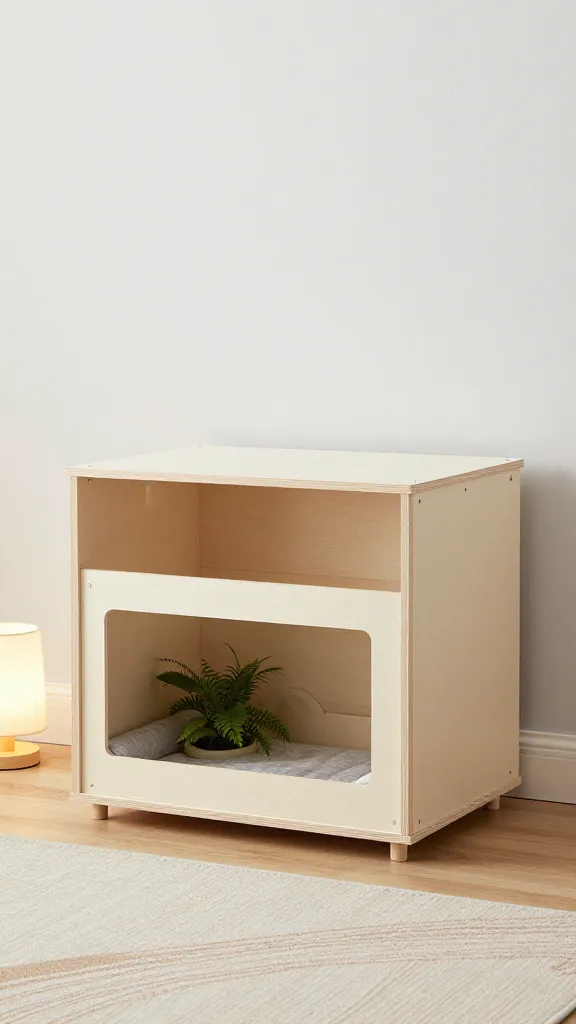
A little greenery can soften the vibe and improve air quality. Choose pet-safe plants like small ivy or ivy alternatives in planters that sit near or around the cage.
– Dos: secure pots so they won’t topple, use a tray to catch soil, and rotate plants to prevent boredom.
– Don’ts: avoid toxic plants and avoid overwatering near the cage.
Subsection: Low-maintenance greens
– Spider plant and pothos are forgiving if you’re worried about a brown thumb.
– Put the plants on lightweight stands so you can move them as needed.
5. Light Up the Scene: Soft, Mood-Setting Illumination
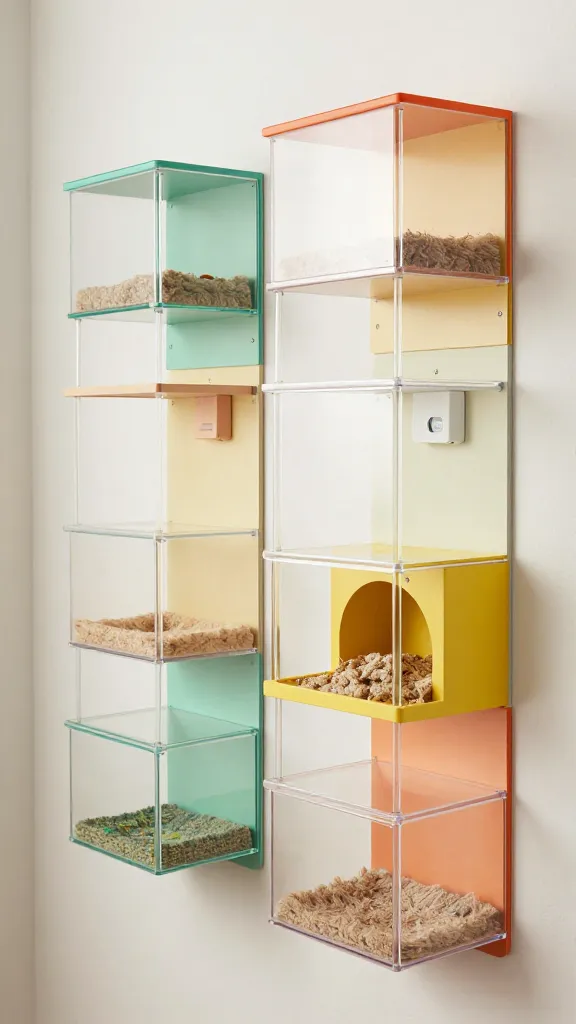
Mood lighting can transform a plain cage into a stylish corner. Opt for warm LED strips or a small, low-wattage lamp that doesn’t heat up.
– Placement ideas: behind the cage for a halo effect, or along the baseboard to cast a gentle glow.
– Bonus: you’ll finally be able to spot your little explorer at dusk without squinting.
What to avoid
– Don’t blast bright lights directly into the cage.
– Ensure any wires are tucked away and safe from curious paws.
6. Cozy Hideouts: Miniature Nests and Nooks
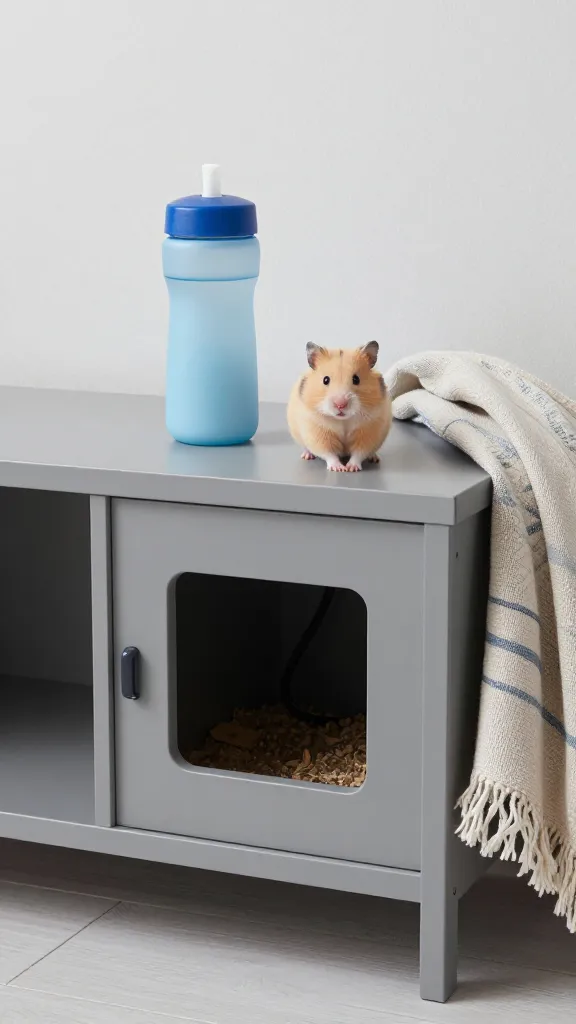
Tiny hideouts aren’t just cute; they’re practical. Build or repurpose mini houses, hammocks, and nest-like spaces.
– Materials: safe wood, soft fabric for hammocks, and fleece scraps for cozy nests.
– Placement: mix higher and lower spots to encourage climbing and nesting behavior.
Mini tutorial: a simple fabric hammock
– Cut a square of fleece, fold in half, and tie two corners to the cage bars.
– Add a little cushion made of soft fabric for comfort.
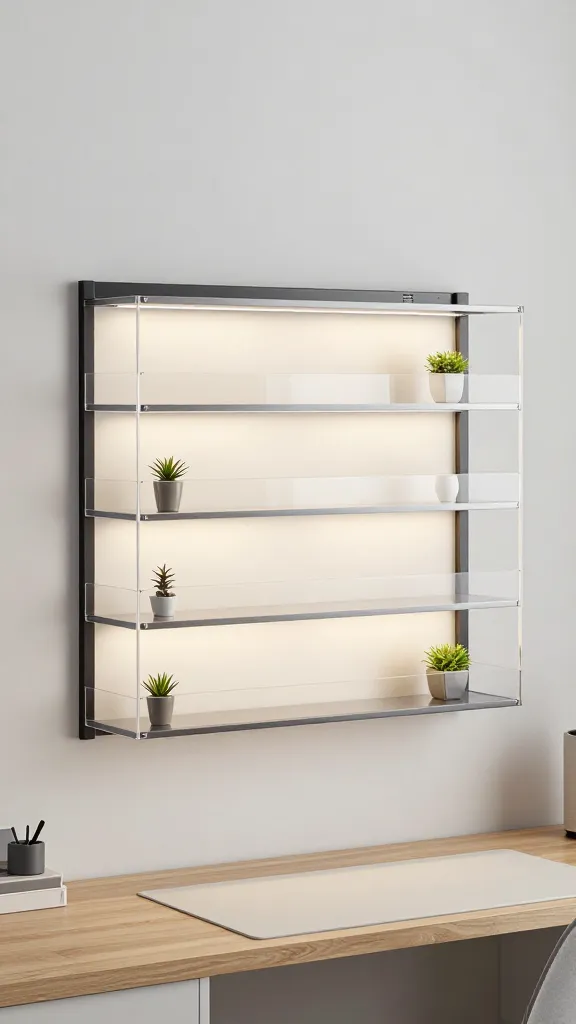
7. The Wall-Mounted Dream: Space-Saving Cage Extensions
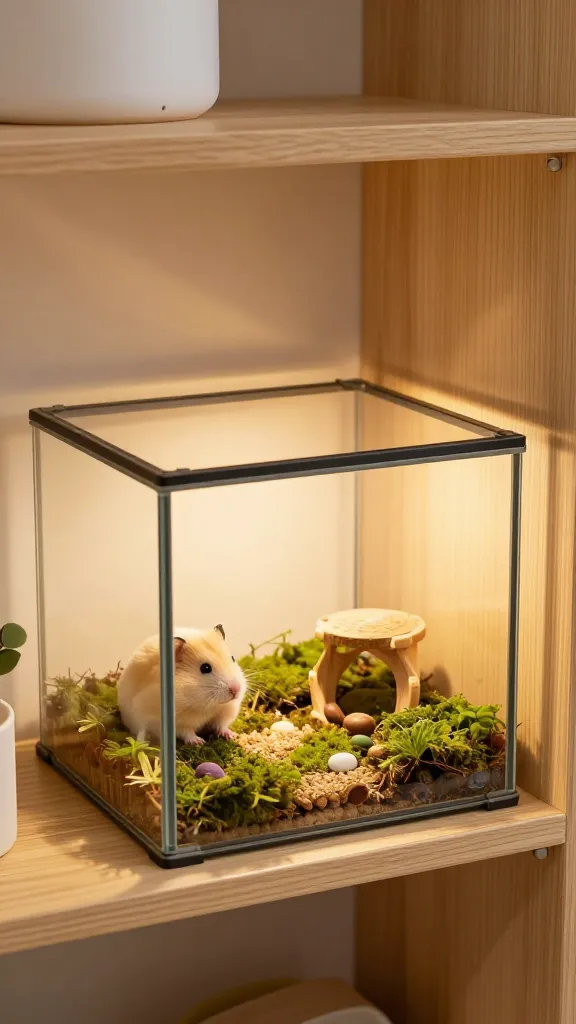
If you’re short on floor space, mount an extension cage to the wall at a kid-friendly height. It creates an eye-catching vertical display.
– What to consider: ensure the wall can handle the weight and add secure mounting hardware.
– Look for clear acrylic panels to keep an eye on your buddy without spoiling the aesthetic.
Installing tips
– Use anti-tip brackets and spacer rings to prevent wobble.
– Keep the extension easy to clean; design quick-release panels if possible.
8. Color Story: Coordinated Palettes
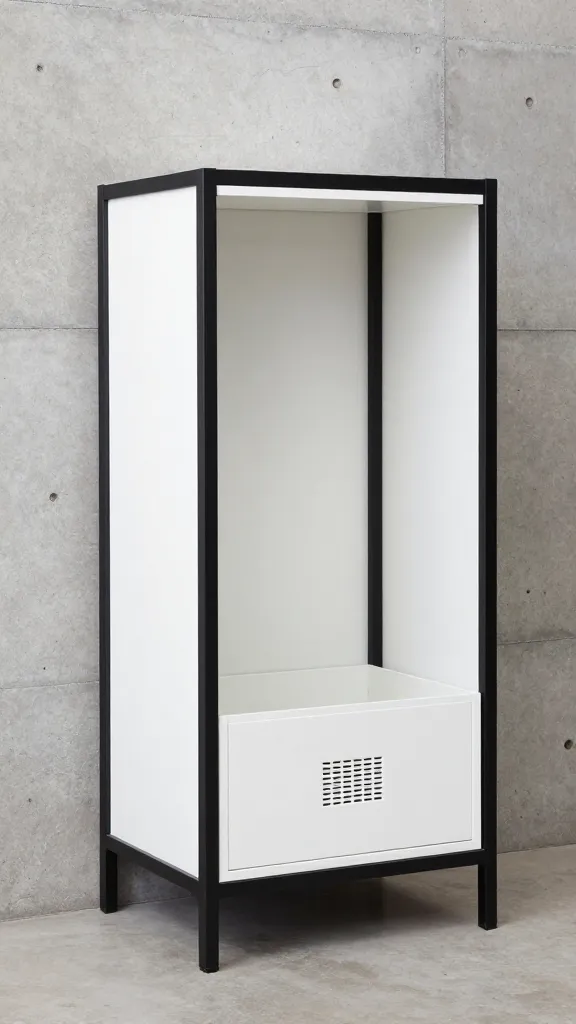
Pick a color story—pastels, earth tones, or monochrome—and carry it through bedding, hammocks, and decorative accents.
– How to pull it off: choose 2-3 colors and stick to them, so the cage looks like part of the room rather than a separate thing.
– FYI: contrast can help your hamster’s accessories pop against the cage.
9. DIY Art on the Cage: Decorative Panels
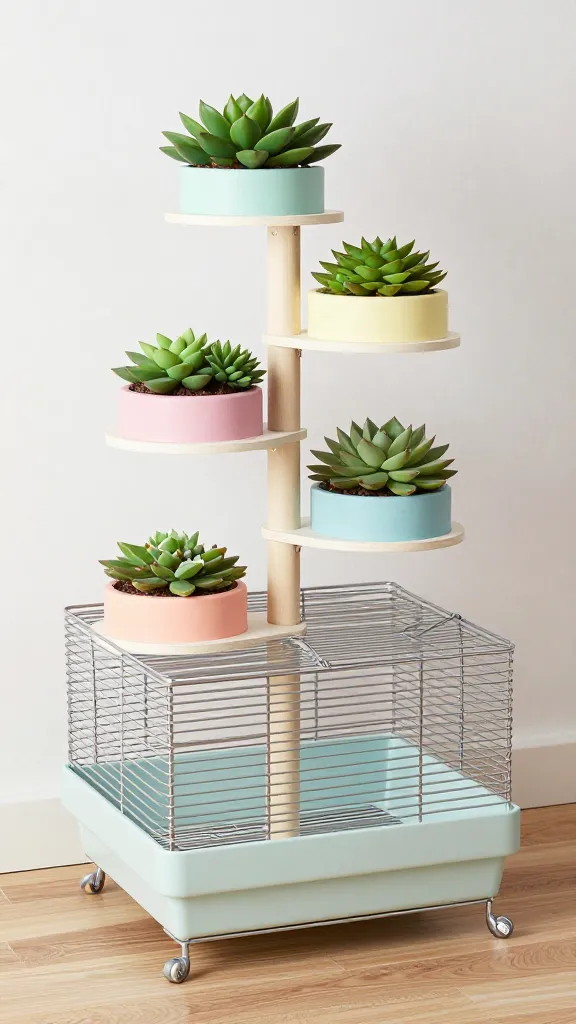
Cut decorative panels from safe materials and mount them around the cage to give it character. Think botanical patterns or geometric shapes.
– Make it personal: mount a tiny “gallery” of owner-made art around the cage.
– Don’t forget ventilation: cutouts and slats should not block airflow.
10. The Textured Touch: Fabric Cozies and Rugs
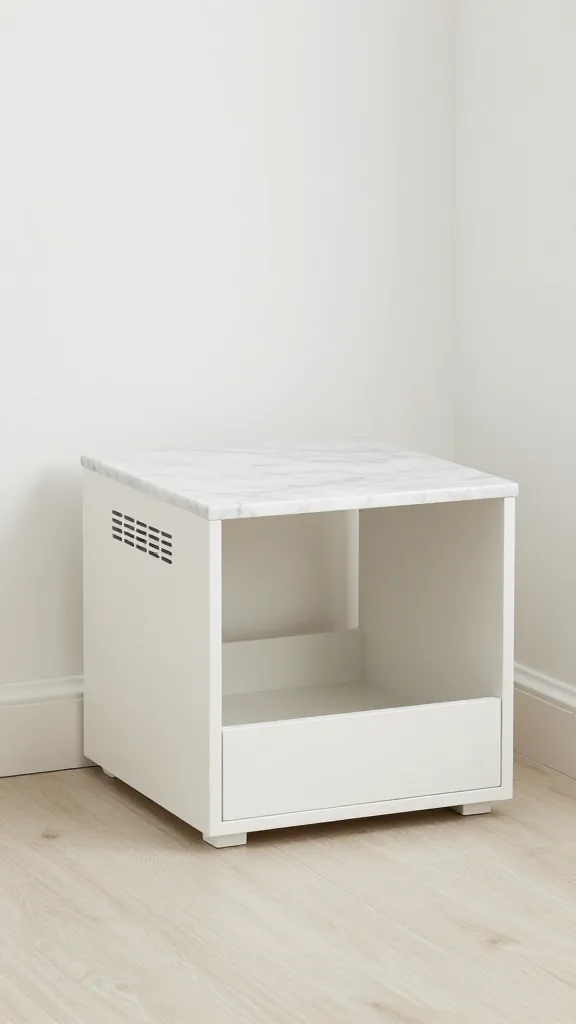
Line the bottom of the cage with a soft, washable base. Then add tiny fabric mats or a fleece runner that your hamster can dig into.
– Cleaning hack: keep a stash of spare liners for quick swaps.
– Style tip: choose fabrics that complement your room’s texture—think wool, cotton, or a knit.
11. Upcycling: Reclaimed Wood and Vintage Finds
Turn old drawer pulls, wood scraps, or a small pallet into a custom stand or cage frame. It’s eco-friendly and totally instagrammable.
– Safety first: sand rough edges and seal with a pet-safe finish.
– Stability matters: ensure weight is evenly distributed and avoid flimsy joints.
12. The Travel-Ready Setup: Portable Cages for Small Spaces
A compact, folding-style cage can be your best friend if you move apartments a lot or if you simply want to switch up spaces without rebuilding.
– Key features: lightweight frame, quick-release locks, and removable trays for easy cleaning.
– Bonus: you can stash it under a bed when you want the room to feel bigger.
13. Miniature Spa Day: Grooming and Comfort Corner
Create a dedicated space for quick grooming sessions and gentle handling. A small mat, a soft towel, and a tiny grooming brush go a long way.
– Why it matters: calm, happy hamsters = less mess and more adorable moments.
– Quick setup: keep everything within arm’s reach so you don’t lose your tiny buddy mid-brush.
14. The Final Flourish: Natural Textures and Accessories
Add jute, cork, or bark accents to bring natural texture to the cage. Natural materials feel warm and organic, which makes the whole setup inviting.
– Quick swaps: rotate textures with the seasons to keep things interesting.
– Humor moment: your hamster probably has a favorite spot—let them decide the vibe.
FAQ
How do I keep a DIY hamster cage safe with all these upgrades?
A: Prioritize non-toxic materials, rounded edges, and secure fastenings. Avoid loose parts your hamster could chew or swallow. Regular cleaning reduces chemical exposure and keeps the air fresh.
What’s the easiest way to start decorating a cage without stressing the hamster?
A: Start with one small upgrade at a time—like a soft hammock or a single decorative panel. Observe how your hamster reacts for a few days before adding more. Pace matters.
Are there any decor ideas to avoid for a hamster cage?
A: Avoid heavy ceramics, sharp plastics, small loose beads, and anything that can trap paws or cause overheating. Also skip dense fabrics that trap moisture or odors.
How do I balance aesthetics with hygiene?
A: Use washable fabrics, wipeable surfaces, and removable liners. Set a weekly cleaning routine and rotate accessories to keep the space fresh without sacrificing style.
Can I mix different wood types for the cage stand?
A: Yes, as long as you seal them with a pet-safe finish and avoid any splinters. Keep it stable and avoid nails or screws that protrude into the hamster’s play area.
What if I’m renting a small apartment and still want a stylish setup?
A: Lean into wall-mounted extensions, vertical stacks, and color-coordinated accents that don’t take up floor space. Use portable, lightweight components you can stash away if needed.
Conclusion
Your hamster cage doesn’t have to be an afterthought. With a little DIY love, it can become a cozy, aesthetic corner that feels intentional and alive. Whether you go modular, wall-mounted, or plant-adorned, the goal is warm vibes, easy upkeep, and a space where your tiny explorer can thrive. So grab a few soft fabrics, a splash of color, and a dash of creativity—your room (and your furry friend) will thank you. IMO, the best part is that you can switch it up every season and pretend you’re curating a tiny, stylish habitat for the most stylish rodent in town. FYI, your photos will finally look as good as your taste.