
Best Low-Light Indoor Plants for Small Apartments: Thrive Anywhere
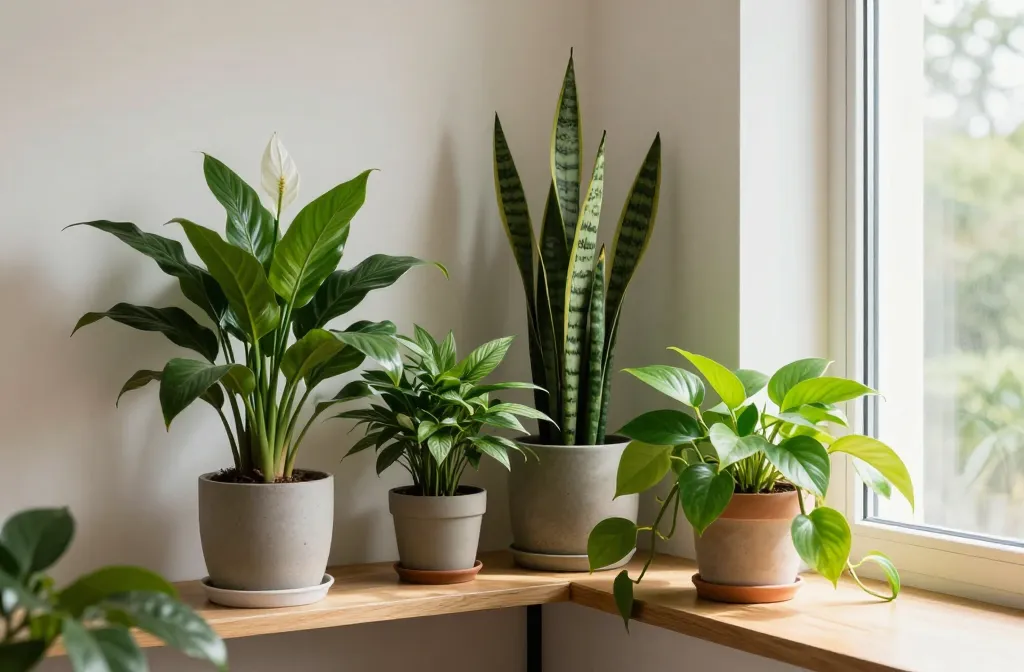
Bright corner, bright future? You bet. If your apartment has more windowsills than actual floor space, you can still grow a lush, leafy oasis. The secret: low-light indoor plants that thrive on a little ambient glow and a generous dose of patience. Let’s skip the drama and get you set up with options that don’t demand sun like a solar panel.
Why low-light plants are your best roommates
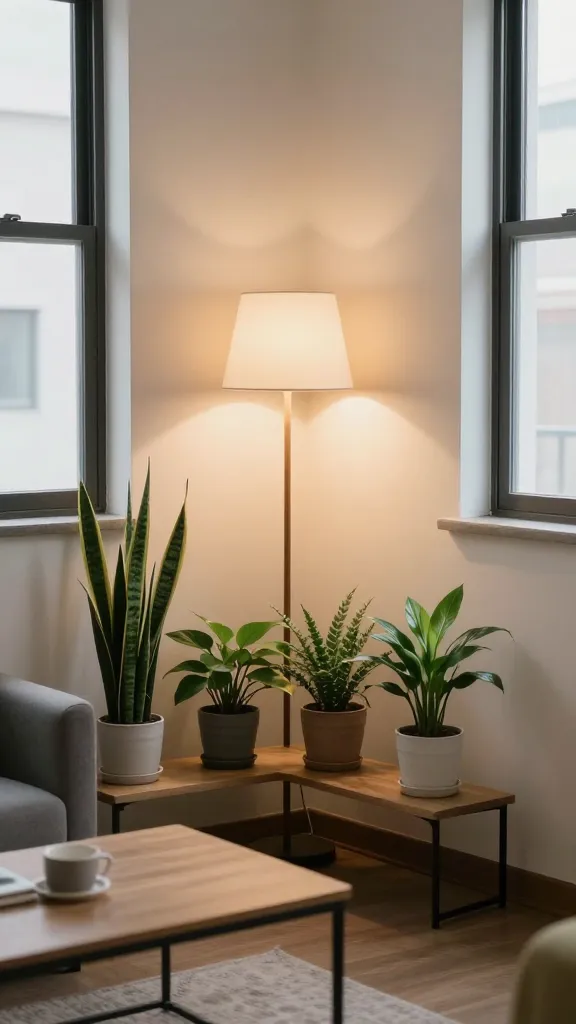
Low-light plants aren’t diva performers that need a spotlight. They’re steady, reliable pals that look good even when your north-facing window is basically a shadow factory. These plants can survive on the kind of light most people consider a vibe, not a sunbath. They also tend to be forgiving about occasional neglect—hello, busy week, hello reminder to water less often.
– They tolerate dim corners better than high-contrast greenery
– They generally don’t mind longer stretches between waterings
– They bring texture, color, and life to small spaces without shouting for attention
If you live in a studio or a micro-apartment, these are your best bets for maximizing impact with minimal space.
Top picks: plants that actually thrive in low light
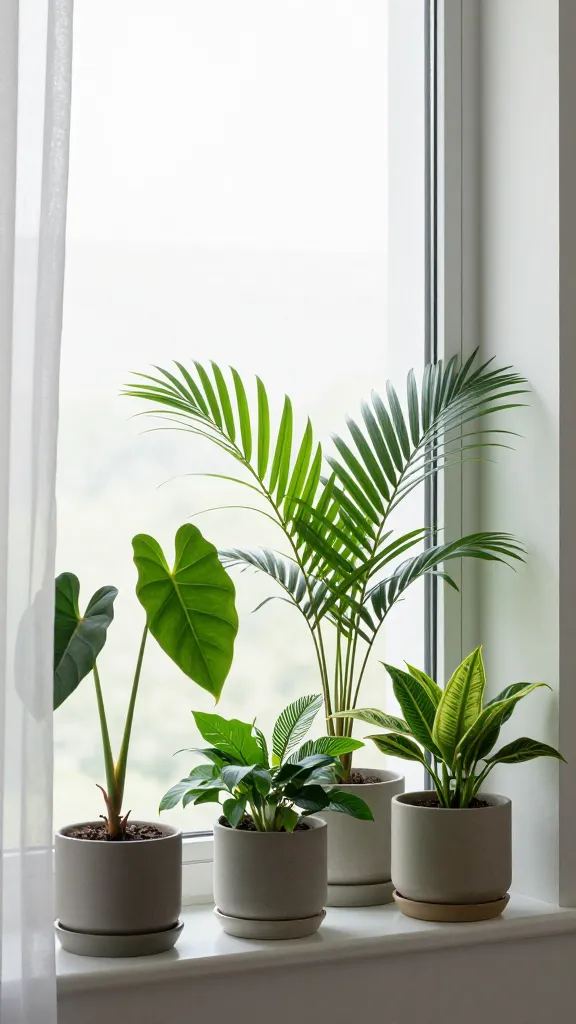
– Peace Lily (Spathiphyllum)
– ZZ Plant (Zamioculcas zamiifolia)
– Snake Plant / Mother-in-Law’s Tongue (Sansevieria)
– Pothos (Epipremnum aureum)
– Philodendron varieties (Heartleaf, Silver Surfer, etc.)
– Ferns (Bird’s Nest or Leatherleaf) — with caveats
– Chinese Evergreen (Aglaonema)
Want a quick cheat code? If a plant has thick, waxy leaves or variegation that’s not too bold, it’s probably fine in lower light. If it’s a trailing or upright vine, you’ll win more space by letting it cascade from a shelf or hanger.
How to set up your space for success
Think in zones, not just plants. Your goal: maximize light where it matters most and give each plant room to breathe.
– Place near a bright, indirect light source if possible. Even low-light plants appreciate a smidge of brightness.
– Don’t cramp multiple plants into a tiny pot-lighthouse. Give each plant a pot with adequate soil and proper drainage.
– Use a lightweight potting mix suited to the plant type. A well-draining mix helps prevent root rot in dim rooms, where water sits longer.
– Rotate every couple of weeks. Your plants aren’t getting symmetrical sun, so give the stems a nudge so they don’t all lean toward that window.
– Use a watering schedule that respects light: in low light, water less. Dry-out between waterings is your friend.
Care routine that won’t turn you into a plant nurse
Maintenance matters more than magic. A simple routine keeps your green buddies thriving without turning your life into a spreadsheet.
– Check moisture with your finger: if the top inch feels dry, it’s time to water.
– Wipe leaves occasionally. A quick wipe with a damp cloth helps plants photosynthesize more efficiently.
– Feed lightly: dilute fertilizer to half-strength once a month during the growing season. FYI, most low-light plants don’t need heavy feeding.
– Watch for signs: yellow leaves can mean too much water, brown tips can mean humidity or salt buildup. Don’t panic—adjust, not overreact.
Variety corner: some nuanced notes on tricky cases
Peace Lily: bloom without the spotlight
Peace Lilies can brighten a room even in fairly dim corners, and their white blooms pop beautifully against dark green leaves. They do enjoy consistent moisture, so keep an eye on the soil and don’t let it stay soggy. If you notice brown leaf tips, you’re probably overwatering or your air is dry.
ZZ Plant: the “set it and forget it” champion
ZZ plants tolerate neglect, low humidity, and low light like a champ. They have thick, waxy leaves that store water, so you can skip a watering here and there. If you’re short on space, chain a few ZZs along a shelf for a chic, architectural vibe.
Snake Plant: upright style with stealth growth
Snake plants are the stealth heroes of apartments. They tolerate almost any light condition and still look classy with tall, architectural leaves. They’re also fairly forgiving if you forget to water for a couple of weeks. Pro tip: they’re great at cleaning air, too, which is a helpful bonus in tiny spaces.
Pothos and Philodendron: vines that save space
These trailing plants excel at hanging baskets or shelves where they can cascade down. They’re resilient, adaptable, and forgiving if you forget a stretch of watering. Variegated leaves add a splash of color without needing bright light to stay vivid.
Troubleshooting: when your plants aren’t happy
– Leaves turning yellow: usually too much water or poor drainage. Let the soil dry a bit between waterings and check the pot for drainage holes.
– Brown tips: low humidity or mineral buildup from tap water. Try using filtered water and misting occasionally.
– Leggy growth: not enough light. A slight relocation toward a brighter nook helps, even if it’s not direct sun.
– No new growth: give it time. Low-light plants grow slowly; celebrate every little leaf.
Maximizing space: clever placements for tiny apartments
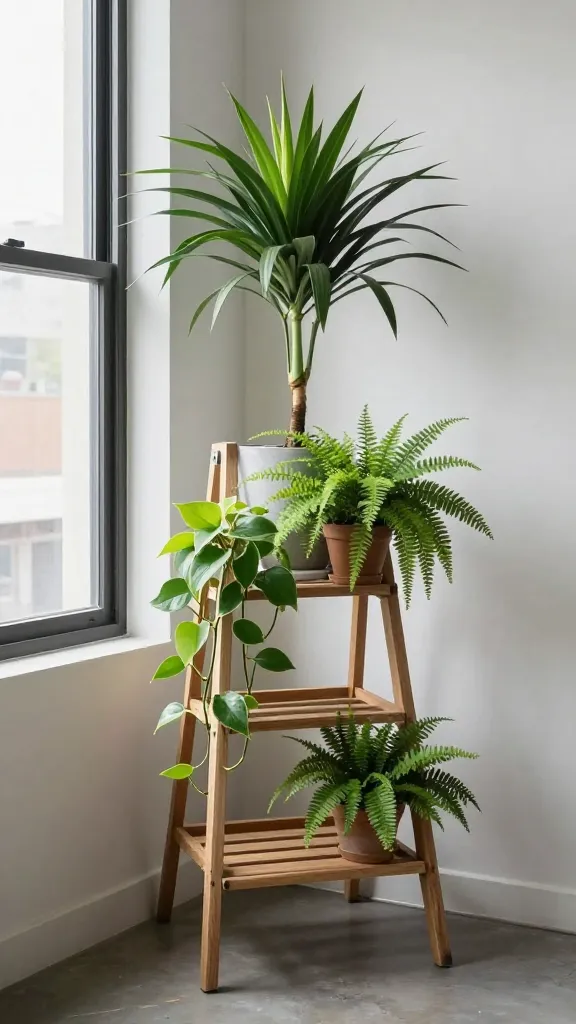
– Shelf layering: use a stack of shelves to multiply plant real estate without cutting into floor space.
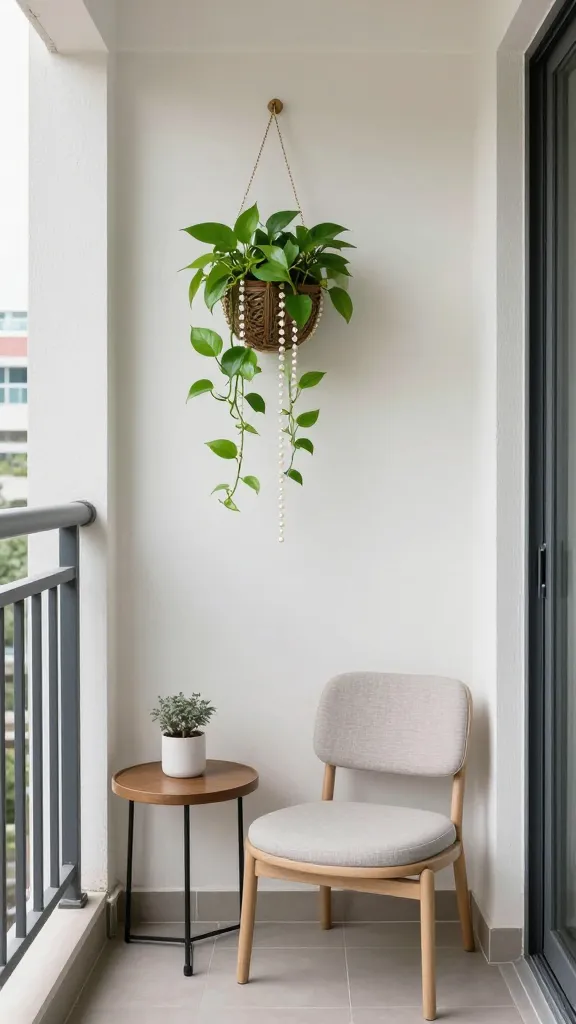
– Hanging planters: in corners or above a couch, you can create a green canopy without a single extra square foot.
– Windowsill wards: even if the window isn’t a sunlit stage, you can lean into the natural flow of light and place compact pots along the sill.
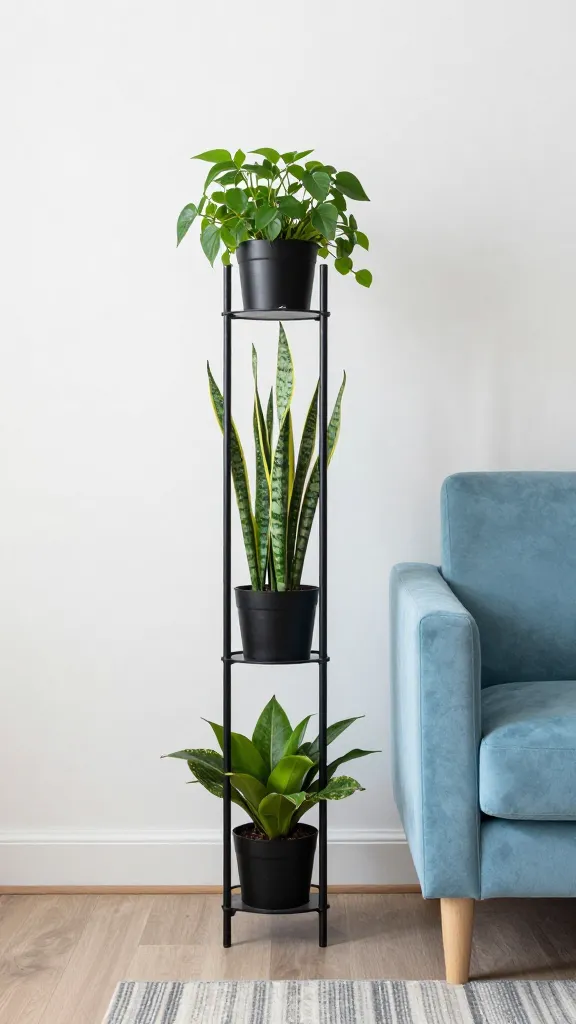
– Corner stands: a slim plant stand in a corner adds height and variety while keeping the floor clear.
FAQ
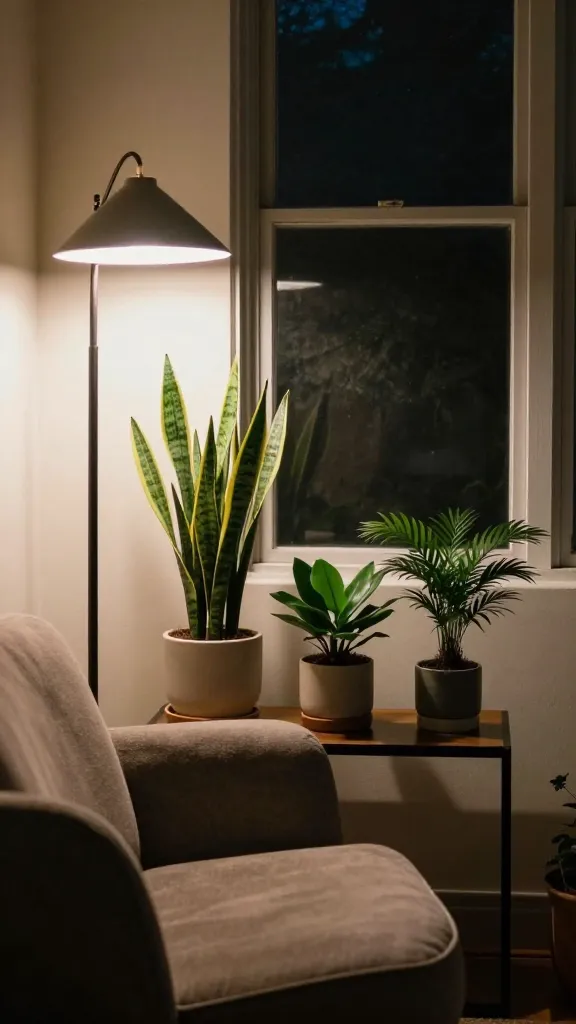
Will these plants survive in complete shade?
Not all, but many tolerate very low light. Peace lilies, ZZ plants, pothos, and snake plants are particularly forgiving. If your space is truly dark, you might rely more on artificial light setups or dedicated grow lights for some species.
How often should I water low-light plants?
Watering needs vary by plant and season, but the rule of thumb in low-light spaces is to water less often. Check the soil moisture first; if the top inch is dry, it’s usually safe to water. Overwatering is a common killer in dim rooms.
Do low-light plants need fertilizer?
Yes, but sparingly. Use a balanced, water-soluble fertilizer at half strength about once a month during the growing season. In winter, skip it or cut way back. FYI, too much fertilizer can burn roots, especially when light is scarce.
Can I use artificial lights to boost growth?
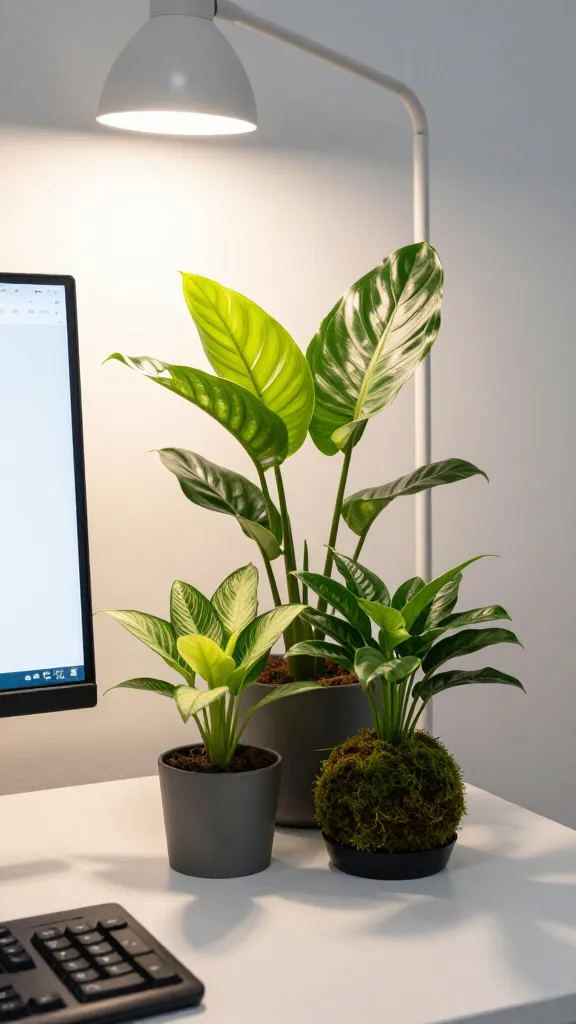
Absolutely. A simple LED grow light or a bright desk lamp aimed at your plants for 6-8 hours a day can make a big difference. IMO, this is a game-changer for corner apartments with stubborn shade.
What are some quick wins for tiny spaces?
– Use a hanging basket for trailing plants
– Place tall plants in empty corners to add height
– Combine a few smaller pots on a slim tray to create a mini urban jungle
– Choose leaf textures and colors that stand out in low light
Conclusion
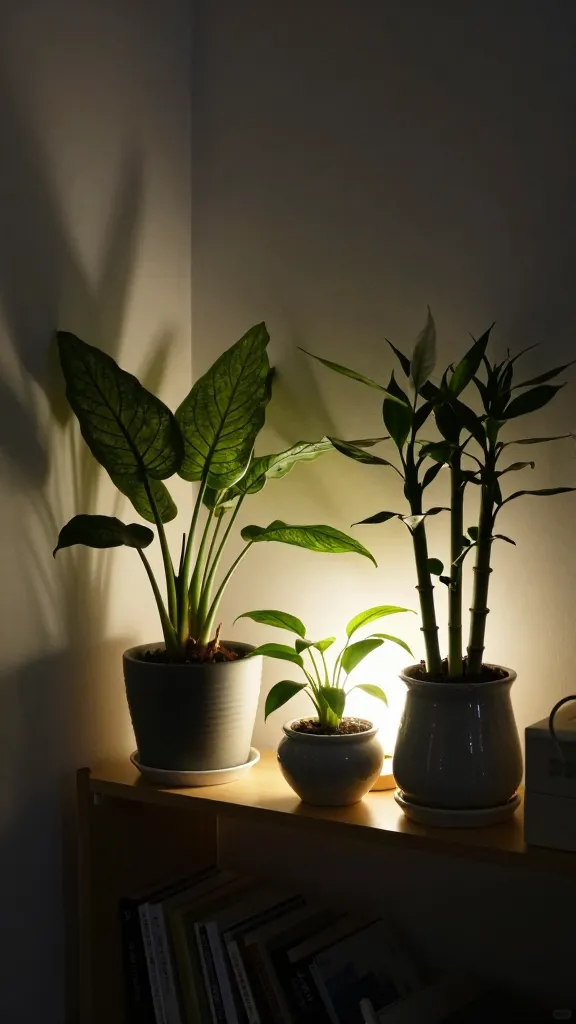
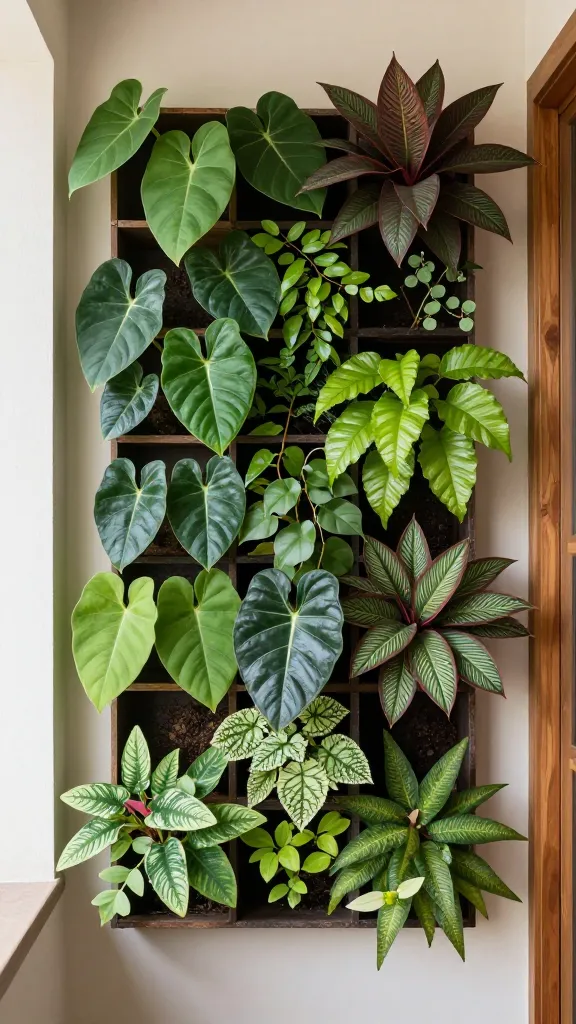
Small apartments don’t have to mean a barren vibe. With the right low-light plants, you can build a compact, stylish greenery corner that feels bigger than it is. Pick forgiving species, give them a cozy home with proper drainage, and don’t stress the watering schedule. IMO, a little green goes a long way toward making your space feel alive, calm, and a bit cooler. So go ahead—grab a pothos, a ZZ plant, and a peace lily, and start your mini jungle today. Your future self (and your plants) will thank you.