
Easy Room Decor: Effortless Ways to Refresh Any Space
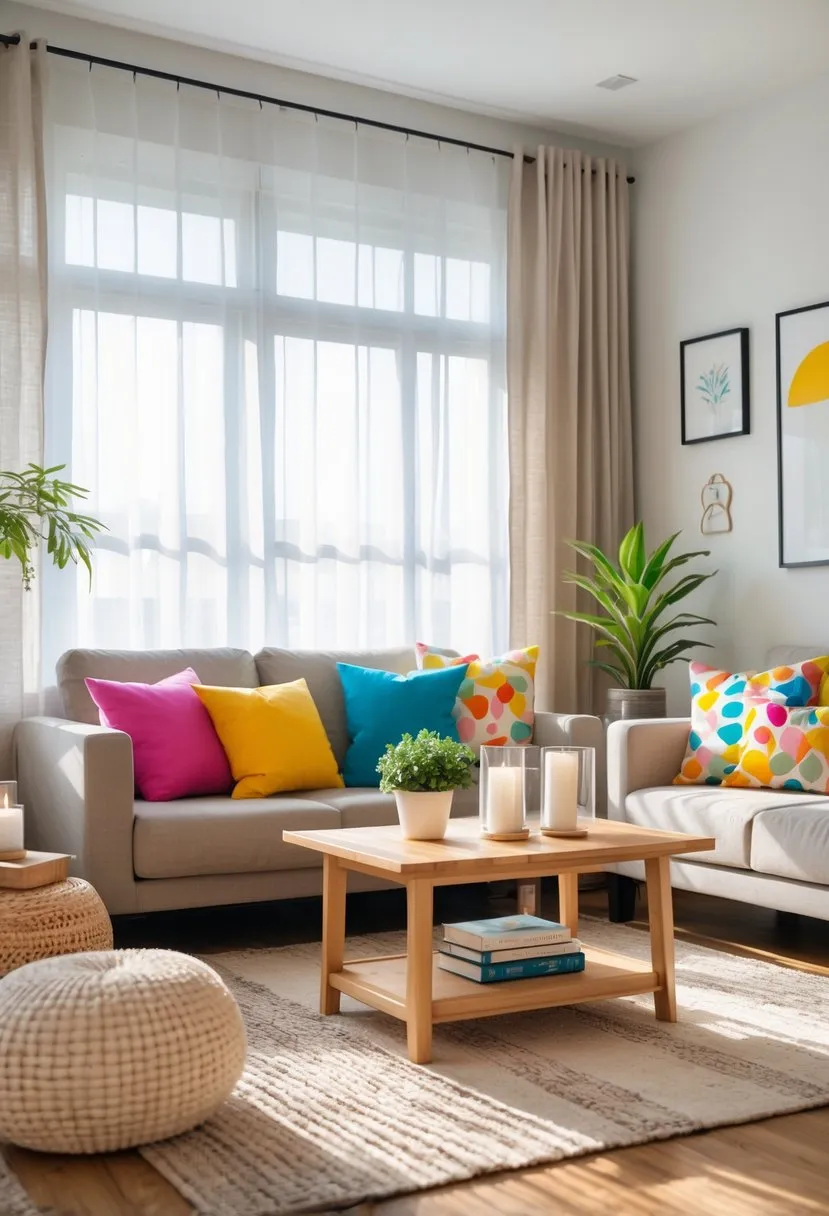
Easy room decor focuses on simple, affordable changes that make a noticeable difference in any space. It involves using creative DIY projects, thoughtful color choices, and practical organization to refresh a room without a full renovation or high cost. These small updates can personalize a space quickly and make it feel more inviting and functional.
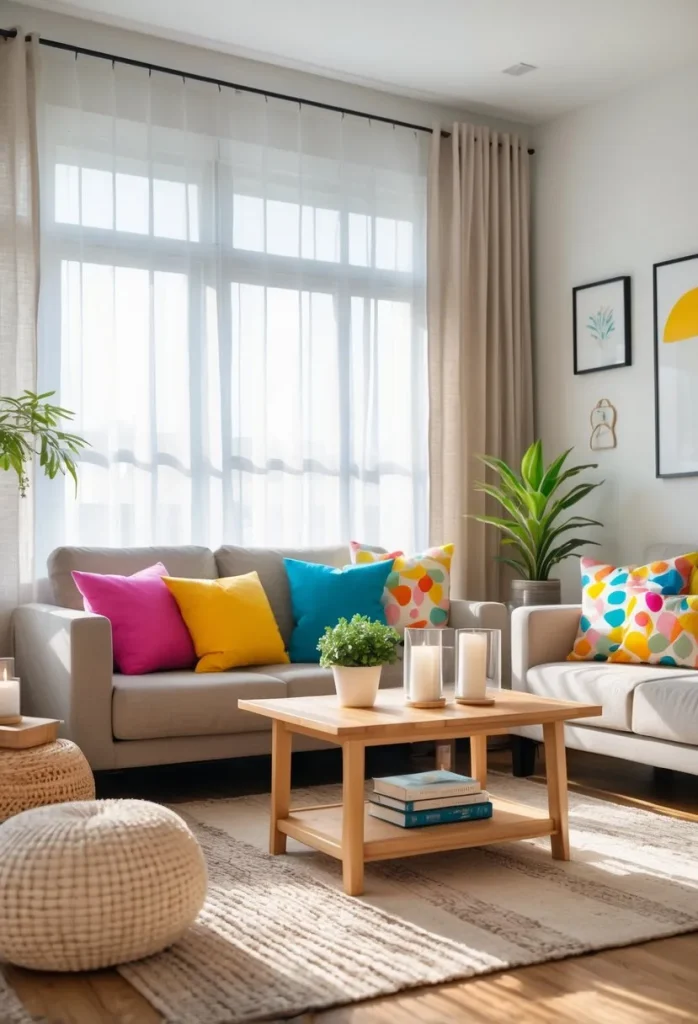
Many easy decor ideas include painting furniture, adding floating shelves, or using plants to bring life into a room. Mixing textures and patterns with cushions, throws, or wall art can add style without much effort. By focusing on manageable projects, anyone can transform their room to better reflect their personality and needs.
The key is to find ideas that are both budget-friendly and simple enough to complete in a short time. This approach helps avoid overwhelm while delivering satisfying results that encourage ongoing creativity.
DIY Room Decor Essentials

Creating easy room decor starts with having the right supplies, clear steps, and a strong color plan. Using affordable materials, following simple makeover methods, and choosing colors wisely makes any space look fresh without hassle.
Budget-Friendly Decor Materials
Affordable, versatile materials help keep DIY projects on budget and creative. Common essentials include fabric scraps for pillows or wall art, painter’s tape for clean lines, and paint rollers for smooth coverage.
Items like acrylic and fabric paint allow for customizing plain items such as cushions or curtains. Repurposing materials, like old wooden drawers or mason jars, also adds charm without extra cost.
Buying basics in bulk—like brushes and tape—supports many projects. Simple tools plus inexpensive supplies make it easier to try multiple DIY room decor ideas while saving money.
Simple Room Makeover Steps
Start by decluttering the space to create a fresh base. Next, focus on one key project such as painting a wall, adding shelves, or making a fabric tassel garland.
Use painter’s tape to protect edges and create patterns. For example, geometric painted planters or washi tape wall designs add style with little effort.
Layer textures by mixing cushions, throws, and plants. Small details like hand-stenciled pillows or rope wrap furniture create big impressions without complex skills.
Taking projects step-by-step ensures manageable work and satisfying results. Planning ahead helps complete projects within a day or weekend.
Choosing a Color Palette
A well-chosen color palette sets the tone for the whole room. Start with one bold or neutral base color, then add two or three complementary shades.
Use lighter tones to open a space or darker tones for cozy warmth. Paint walls, furniture, or fabrics in these colors for a coordinated look.
Incorporate nature-inspired colors, like greens or soft pastels, to add calmness. Matching plant containers or hand-painted art can make the palette feel connected.
Keep paint cans, fabrics, and decor samples nearby while choosing colors. This helps test combinations before committing to full projects.
Wall Decor Made Easy
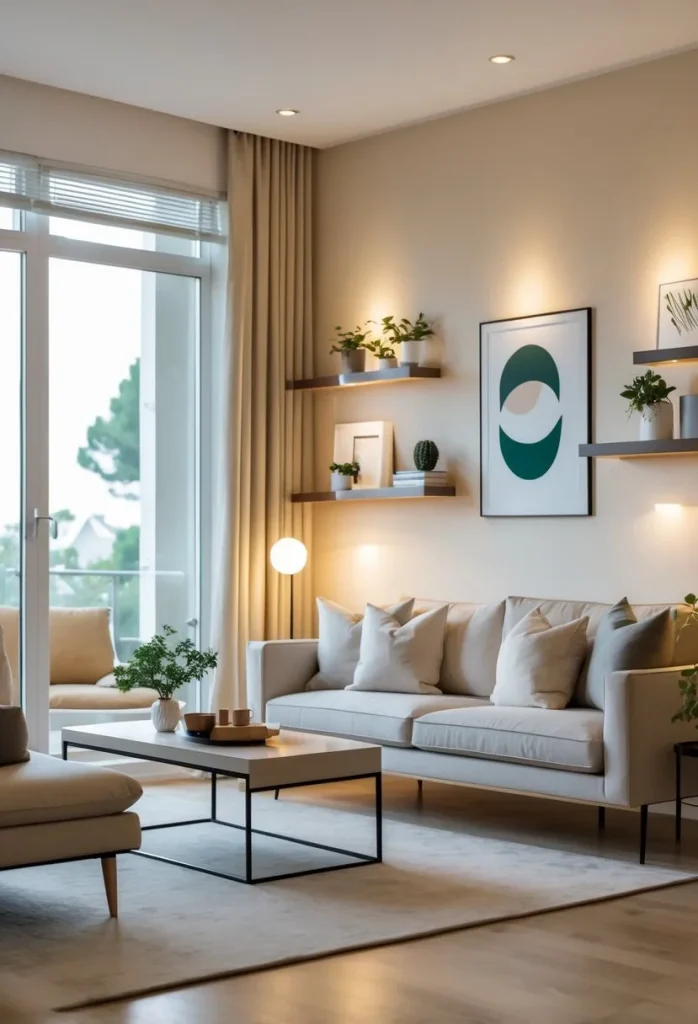
Changing a room’s look can be quick and simple with the right wall decor ideas. Using items that are easy to place and remove lets anyone personalize their space without much effort or damage. Several options add style, texture, and light while being budget-friendly and adaptable.
Removable Wallpaper and Decals
Removable wallpaper lets people add color or patterns without the long-term commitment or mess of paint. It peels off cleanly, making it perfect for renters or those who like to change designs often. Patterns range from bold geometrics to soft textures, helping create a feature wall or cover an entire room.
Wall decals offer even more flexibility. These adhesive shapes or quotes stick easily and are available in many designs. They can be cut from vinyl or contact paper and moved or replaced without damage. Decals work well to quickly bring personality or themes to a space.
Gallery Wall Arrangements
Gallery walls are a popular way to show framed art, photos, and memories all in one place. Using picture frames of different sizes creates visual interest. Arranging frames in grids, clusters, or random patterns helps fill blank walls attractively.
Photos, artwork, or prints can be mixed for a personal touch. Captions or small labels add context or stories. This style suits living rooms, bedrooms, or hallways. The key is consistent frame colors or themes to keep the wall balanced and neat.
Creative Wall Art with Washi Tape
Washi tape is a decorative paper tape with many colors and patterns. It sticks easily and removes without leaving marks, making it ideal for experimenting with wall art. People can create geometric shapes, stripes, or even faux frames with simple tape lines.
It is inexpensive and renter-friendly. Washi tape designs add color and pattern without tools, making it accessible to all skill levels. Because it’s easy to remove, changing designs to match seasons or moods is simple and fast.
Mirrors for Spaciousness
Mirrors are more than functional; they make rooms feel larger and brighter. Placing one or several mirrors on a wall reflects light and adds depth, which opens up confined spaces visually.
Different shapes and frame styles suit various decor themes. Grouping small mirrors together creates an art-like display. Large mirrors work well as statement pieces. Mirror placement opposite windows or light sources maximizes their effect.
Cozy Textiles and Soft Furnishings
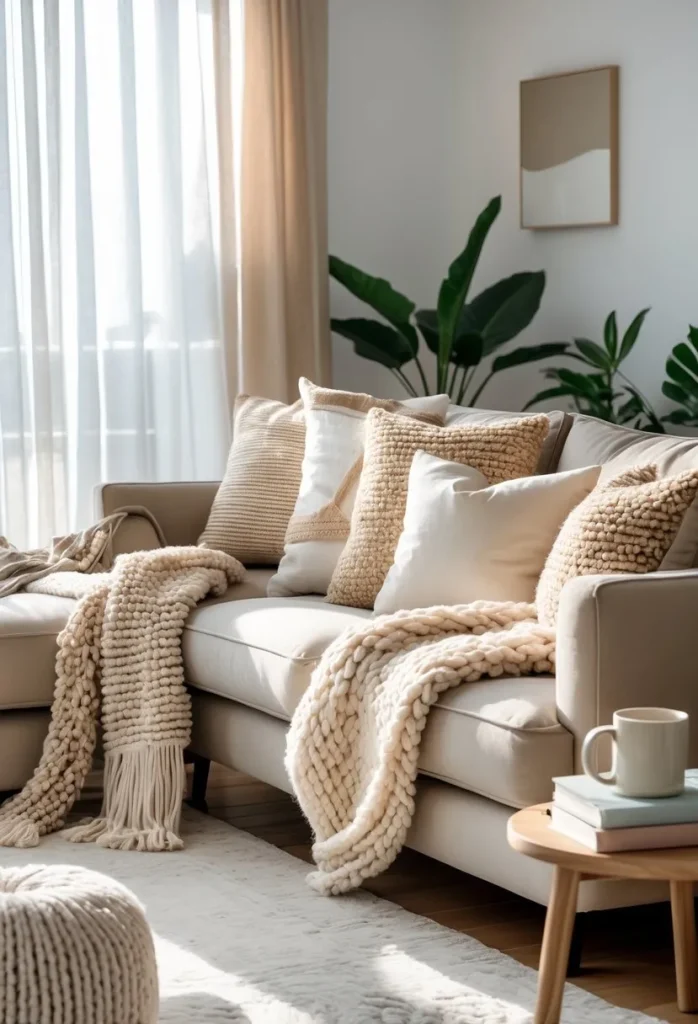
Textiles and soft furnishings bring warmth and comfort to any room while enhancing its style. Choosing the right pillows, throws, rugs, and curtains can add texture, color, and function without needing major changes. Using layers and coordinating colors helps create a welcoming and polished space.
Decorative Pillows and Covers
Decorative pillows are key to updating a room quickly. They add color, pattern, and softness to chairs, sofas, and beds without taking up much space. Choosing pillow covers in materials like cotton, linen, or velvet offers both comfort and durability.
Mixing sizes and shapes creates visual interest. For example, pairing square throw pillows with smaller rectangular ones adds balance. Rotating pillow covers seasonally or by trend can keep the room fresh.
Keep the color palette consistent with existing decor. Neutral tones work well for classic looks, while bold patterns can act as focal points. Easy-care covers with zippers allow for simple washing and swapping.
Layering Throws and Blankets
Throws and blankets add warmth and texture while enhancing comfort. Layering a chunky knit throw over a sofa or armchair can immediately soften the space.
Choose materials like wool, cashmere, or cotton depending on climate and comfort needs. Lightweight throws work well for spring and fall, while heavier blankets offer cozy warmth during colder months.
Colors should complement pillows and rugs to maintain harmony. Throws can also add pattern and interest when layered in different textures, such as pairing a smooth cotton throw with a chunky knit one.
Casually draping throws invites use and adds a relaxed, lived-in feel to a room.
Incorporating Area Rugs
Area rugs define spaces and add softness underfoot, important for comfort and style. Selecting rugs in natural fibers like wool or cotton makes them durable and warm.
Size matters: a rug should be large enough to anchor furniture without overwhelming the room. In small rooms, a medium-sized rug under seating works best.
Color and pattern can unify or contrast with furnishings. Neutral rugs provide a calm base, while patterned or textured rugs add visual interest and depth.
Layering smaller rugs on top of a larger one is an option to add dimension and a cozy feel.
Curtains for Style and Function
Curtains frame windows and influence light, noise, and warmth. Choosing thick materials like velvet or heavy cotton helps block light and reduce sound, enhancing comfort.
The color palette should complement other textiles and room colors. Rich hues can create a warm mood, while soft neutrals allow for more flexibility in decor.
Length affects style. Floor-length curtains create elegance, while shorter curtains suit casual, cozy spaces better.
Layering curtains is effective. Combining sheers with heavier drapes offers control over light and privacy while adding texture.
Good curtain hardware enhances the overall look by complementing fabric choices and decor style.
Lighting for Ambiance
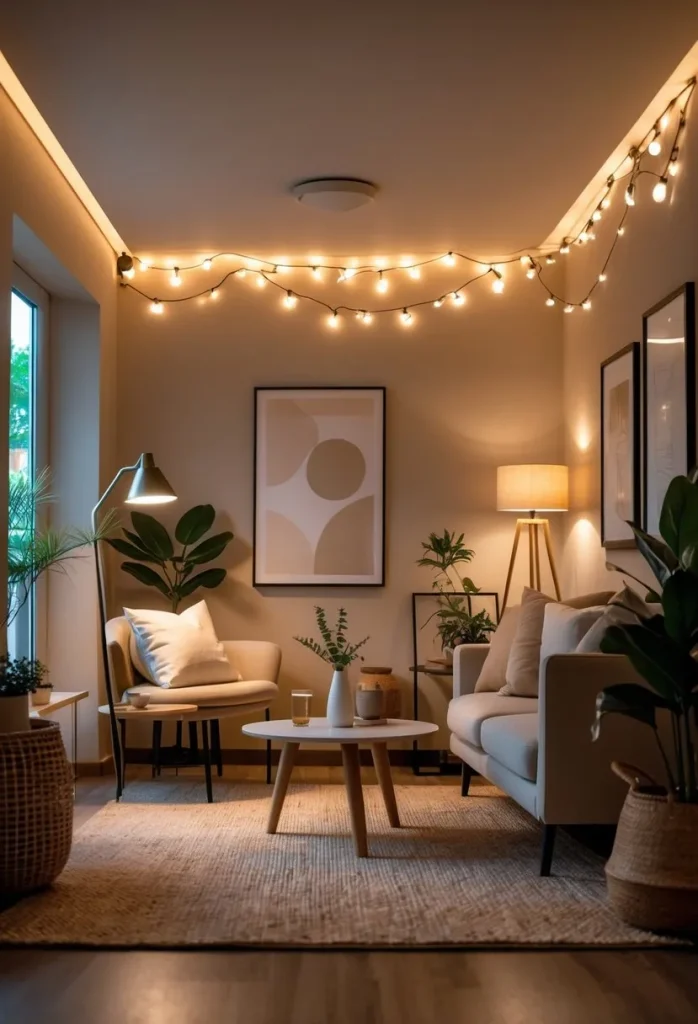
Good lighting sets the mood in any room by balancing brightness, warmth, and style. Using soft lights can make spaces feel cozy, inviting, and comfortable.
Incorporating String and Fairy Lights
String and fairy lights add warmth and charm with gentle, twinkling illumination. They work well draped across walls, along shelves, or wrapped around furniture. Warm white or soft yellow bulbs create a cozy glow that suits both living rooms and bedrooms.
These lights are easy to install and versatile. Solar-powered outdoor string lights allow use on patios without extra wiring. For indoor use, waterproof LED options provide durability and energy efficiency.
String lights with themed designs, like autumn leaves, bring seasonal charm. Fairy lights also pair well with curtains or plants to create a delicate, magical look without overpowering the room.
Lamps and Light Fixtures
Lamps and light fixtures add both function and style. Table lamps on nightstands or desks provide focused light for reading or working. Floor lamps brighten dark corners and can be moved as needed. Adjustable lamps improve usability by directing light precisely.
Pendant lights or chandeliers serve as statement pieces. Modern geometric pendants or vintage styles can set the tone for the entire room. Wall sconces add elegance while saving floor space. Choosing fixtures that complement room decor enhances the overall ambiance.
Mixing different lamp styles and heights creates layered lighting, making the space feel more dynamic and inviting.
DIY Mason Jar Lighting
Mason jars offer a simple way to create unique light fixtures at low cost. By placing candles, fairy lights, or small LED bulbs inside, they become soft light sources with a rustic look.
Candle holders made from mason jars add a gentle, flickering glow that works well for romantic or relaxed atmospheres. For safety, battery-operated LED candles are a good option. Hanging mason jars with string lights inside can be displayed outdoors or indoors as decor accents.
Customizing jars with paint, twine, or lace adds personality. This DIY approach lets people tailor their lighting style without complicated installation or expensive purchases.
Shelving and Smart Displays
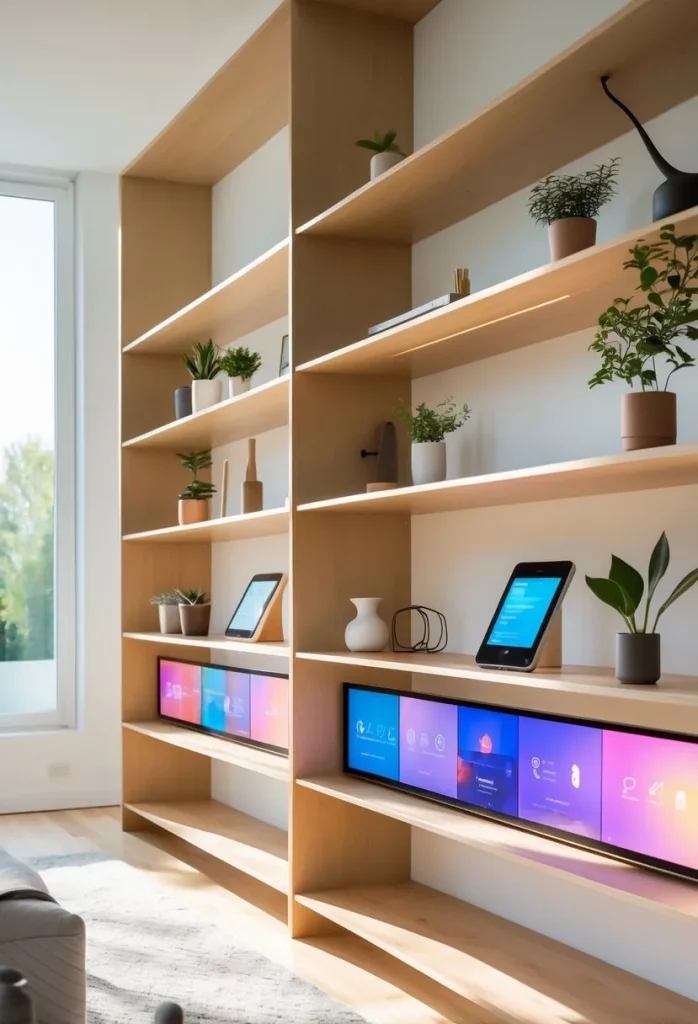
Shelving offers both storage and style, making rooms feel organized and inviting. Using shelves strategically can highlight favorite items, keep clutter down, and add personality to any space.
Installing Floating Shelves
Floating shelves provide a clean, modern look because they hide brackets and seem to “float” on the wall. They work well in small areas where floor space is limited, like above desks or in narrow hallways.
Installation requires choosing sturdy wall anchors and ensuring the shelves are level. Warm LED strip lighting behind or under floating shelves can enhance the display by adding subtle light to highlight objects.
They often hold framed photos, small plants, or decorative items. Because they lack visible supports, careful weight distribution is necessary to avoid damage or sagging.
Creative Uses for Bookcases
Bookcases are versatile, offering both storage and display space. Placing books vertically and horizontally can create visual interest and balance.
Grouping books by color boosts style and turns shelves into art, but may make finding titles harder. Adding baskets or boxes on lower shelves hides clutter and keeps smaller items organized.
Decorative objects like vases, plants, or sculptures break up rows of books. Alternating heights and filling gaps maintains a neat, inviting look. A well-arranged bookcase can serve as a focal point in living rooms or offices.
Showcasing Personal Touches
Personal touches make a room feel lived-in and unique. Shelves that display family photos in simple, matching picture frames keep the look clean and cohesive.
Memory boxes or small collections on shelves tell stories and can be rotated seasonally. Avoid overcrowding by selecting only meaningful items to maintain balance.
Using a mix of objects with different textures and sizes increases visual interest without clutter. Personal displays invite conversation and create a warm, welcoming atmosphere.
Natural Touches: Plants and Planters
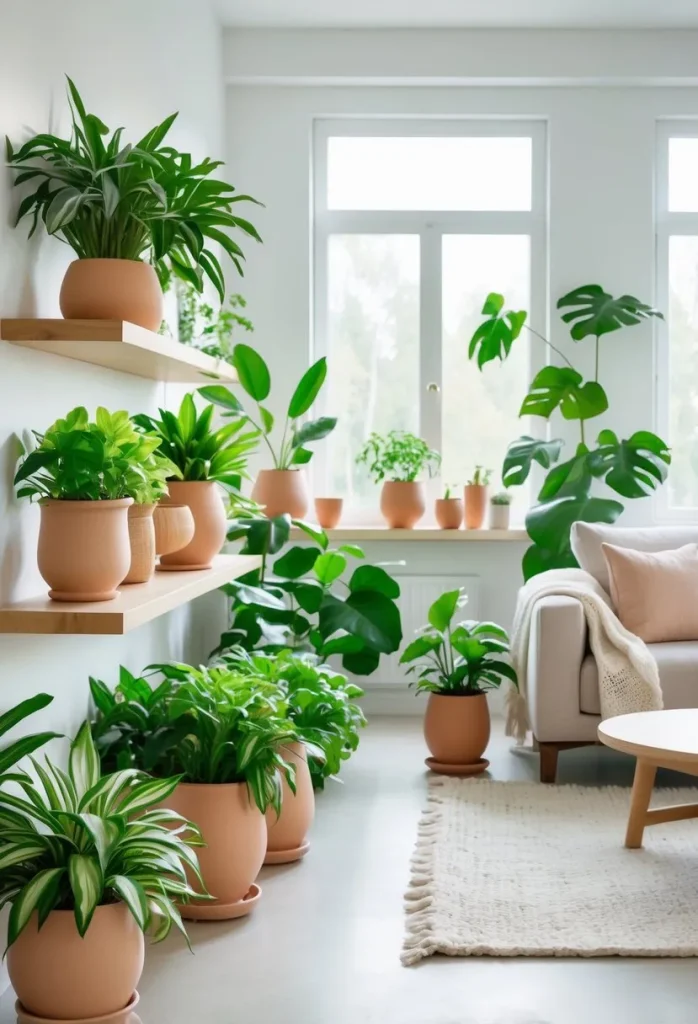
Bringing plants into a room adds color and texture in a natural way. Selecting the right plants, using stylish containers, and creating small green displays can make any space feel fresh without much effort. The key is matching plants to light conditions, choosing planters that boost decor, and arranging plants in creative ways.
Choosing Indoor Plants
Indoor plants need to fit the light in a room. Low-light rooms do well with pothos or snake plants because they grow with little sun. Bright rooms can support herbs or flowering plants like African violets.
Plants like ferns add texture and movement with their feathery leaves. It’s important to pick plants that need care matching the owner’s schedule. For example, succulents need little watering, so they suit busy people.
Grouping plants of different sizes and shapes can create visual interest. Using a mix of tall, medium, and trailing plants adds depth to a space.
Decorative Planters and Vases
Planters and vases can change how plants look in a room. Ceramic pots offer a clean, classic style. Woven baskets add warmth and texture. Metal containers bring an industrial touch.
Choosing planters by color helps tie plants into the room’s style. Neutral colors work with many themes, while brightly colored pots can serve as accents.
Plant stands and shelves lift plants off the floor. This layers height and keeps floor space open. Hanging pots near windows also add greenery without clutter.
Arranging Mini Terrariums
Mini terrariums are small glass containers that hold tiny plants like moss or succulents. They need little water and fit well on desks or shelves.
Inside a terrarium, mixing stones, soil, and small plants creates a mini landscape. This adds a detailed, artistic look to the room.
Terrariums are great for people who want plants but lack space. They work well in offices or apartments, offering nature in a compact form.
Upcycling and Personalized DIY Projects
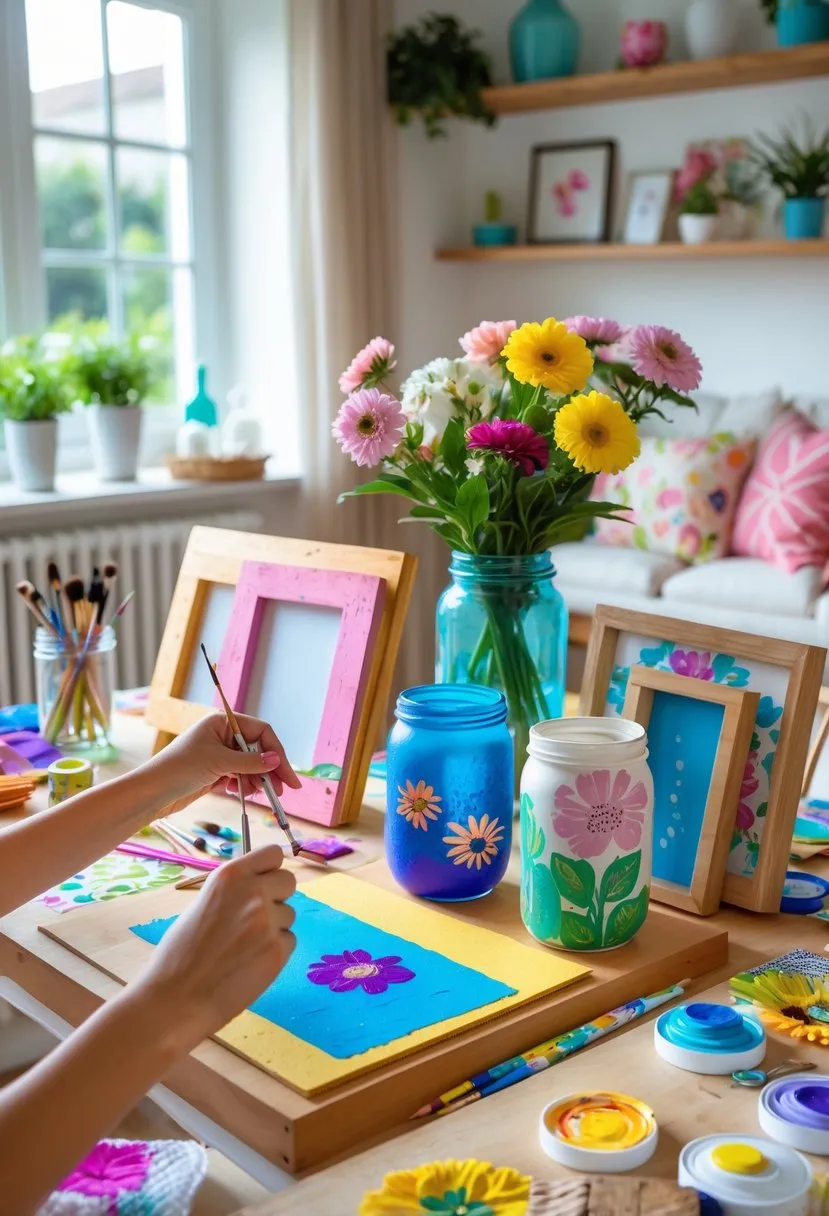
Transforming old items into fresh decor adds character while saving money. It involves using furniture and materials creatively to fit new purposes. This approach blends style with sustainability and personal touches.
Repurposing Old Furniture
Repurposing old furniture means giving new life to pieces that might otherwise be discarded. A worn dresser can become a bathroom vanity by adding a sink and faucet. Old wooden doors make great tabletops or headboards with some sanding and paint.
Painting and refinishing worn furniture can update its look without losing charm. Using soft colors or distressed finishes fits well with a DIY aesthetic room decor style. This method adds storage and functionality while cutting costs and waste.
DIY Upcycled Decor Ideas
DIY upcycled decor projects range from simple crafts to larger makeovers. For example, vintage spoons bent into coat hooks add charm and practicality. Self-adhesive shelf liners can brighten glass cabinets without paint or expensive materials.
Using leftover paint samples to create colorful wall art or abstract patterns helps use materials left over from other tasks. Mason jars can be fixed under cabinets for storage, holding dry goods or small tools to keep counters clear.
Unique Decorative Accessories
Upcycled accessories personalize any room quickly. Framing embroidered vintage linens or old tea towels turns them into wall art that honors family history or thrift finds. Reclaimed wood scraps can be assembled into rustic kitchen shelves or table accents.
Using tension rods with colorful scarves or tea towels as curtains adds pattern and softness easily. Even small vintage items like Avon bottles work as makeup brush holders, bringing style and function to vanity areas.
Creating a Cozy Reading Nook

A cozy reading nook requires thoughtful choices around comfort, lighting, and organization. The right furniture sets the tone for relaxation, while soft lighting and cushions enhance the inviting feel. Displaying books in a way that suits the space and style makes the nook both functional and personal.
Essential Furniture for Relaxation
Comfortable seating is the foundation of a reading nook. A soft, oversized chair or a small loveseat works well in most spaces. Chairs with plush cushions and supportive backs help maintain good posture and encourage longer reading sessions.
Adding a footrest or ottoman can increase comfort by allowing the reader to stretch out. Small side tables are practical for holding books, coffee, or reading glasses. Built-in benches or window seats maximize space and create a dedicated area without crowding the room.
Selecting furniture in neutral tones or soft fabrics makes the nook visually restful. Durable materials that are easy to clean add to long-term usability.
Soft Lighting and Cushions
Proper lighting is crucial for both comfort and eye health. Natural light is ideal, so placing the nook near a window works well. When natural light is limited, warm LED lamps or wall sconces with adjustable brightness should be included.
Layered lighting works best: a main light source combined with a smaller reading lamp. This allows for control depending on time of day and mood.
Decorative pillows and throws add softness and warmth to the space. A mix of textures like velvet, knit, or faux fur enhances tactile comfort. Throws can also provide extra warmth during cooler weather, increasing coziness without taking up room.
Personalized Book Displays
A well-organized collection of books makes the nook inviting and easy to use. Built-in shelves beside seating or floating shelves above the space offer convenient access to favorite titles.
Displaying books either stacked or facing forward creates visual interest. Adding small décor pieces like plants or photos among the books personalizes the area.
A floor basket or small rolling book cart can hold extra reading material while keeping the space tidy. This keeps clutter off the floor but still within reach.
Personalizing the display according to reading habits helps make the nook feel like a dedicated retreat.
Finishing Details for an Aesthetic Room
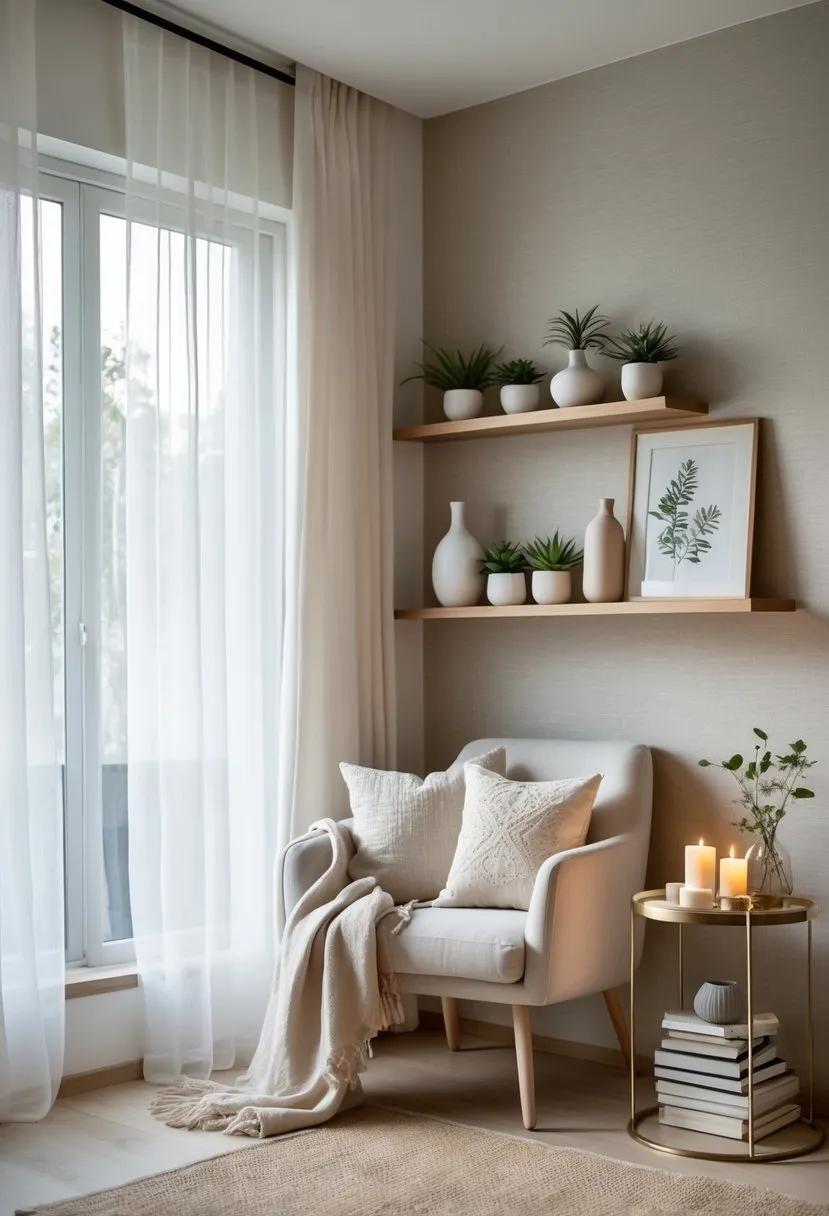
Small touches give a room its personality and make it feel complete. Thoughtful placement of personal items, timely updates to decor, and blending different patterns and textures all help create a space that is stylish and inviting.
Arranging Personal Mementos
Personal mementos bring life and meaning to a room. Grouping items like photos, souvenirs, or heirlooms on shelves or tables creates a curated look. Using a mix of sizes and heights adds visual interest.
To keep the display balanced:
- Place items in odd numbers, such as three or five.
- Use trays or small boxes to contain smaller objects.
- Combine personal items with plants or books to avoid clutter.
This technique turns everyday objects into focal points that reflect the owner’s story without overwhelming the space.
Seasonal Decor Swaps
Changing small decor pieces with the seasons refreshes a room without major renovation. Swapping out throw pillows, blankets, or vases in colors and materials that match the current season boosts the room’s mood.
Suggestions include:
- Use warm tones and cozy fabrics like wool or velvet in fall and winter.
- Switch to light, airy fabrics and pastel colors in spring and summer.
- Rotate scents with diffusers or candles to match each season’s atmosphere.
This keeps the space feeling fresh and relevant throughout the year.
Mixing Patterns and Textures
Combining different patterns and textures adds depth and warmth to a room. A variety of fabrics such as linen, faux fur, and velvet work well together when layered.
Key tips:
- Start with a neutral base and add subtle patterns like stripes or geometric shapes.
- Mix smooth and rough textures to enhance contrast.
- Limit bold patterns to one or two areas to avoid visual chaos.
This balance creates a visually rich environment while maintaining harmony in the aesthetic room decor.