
Natural Outdoor Playground Ideas for a Dreamy Eco-Friendly Backyard Space
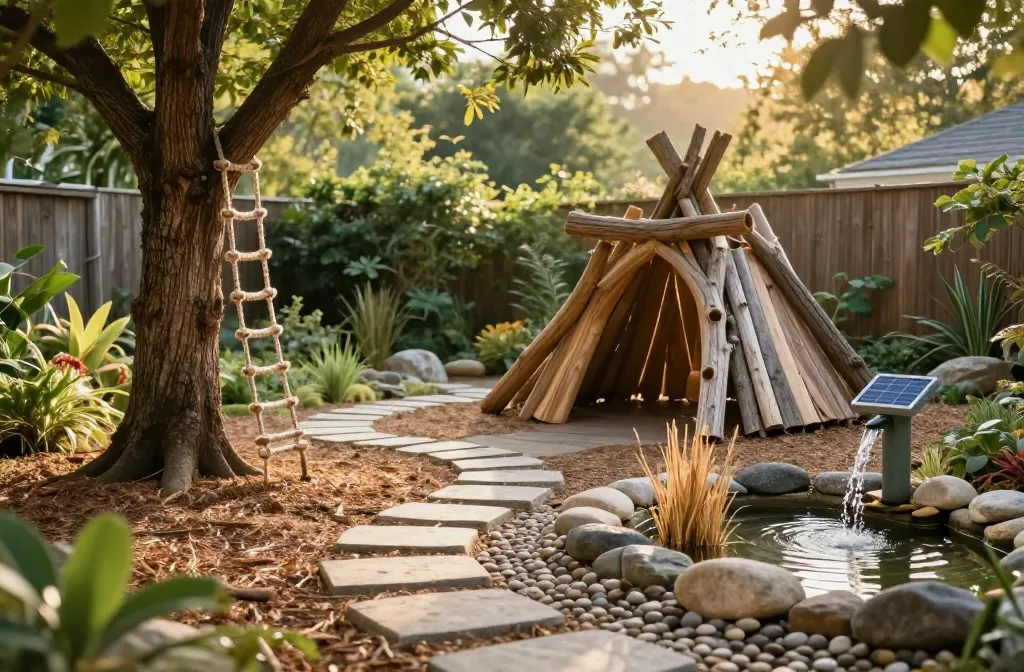
The dream backyard doesn’t have to be a castle in the sky. It can be a sun-soaked, tree-kissed paradise that kids actually want to play in—without wrecking the planet. Ready to turn your outdoor space into a natural, eco-friendly wonderland? Let’s dive into 17 ideas that feel playful, sustainable, and totally doable.
Natural Play Structures that Spark Imagination
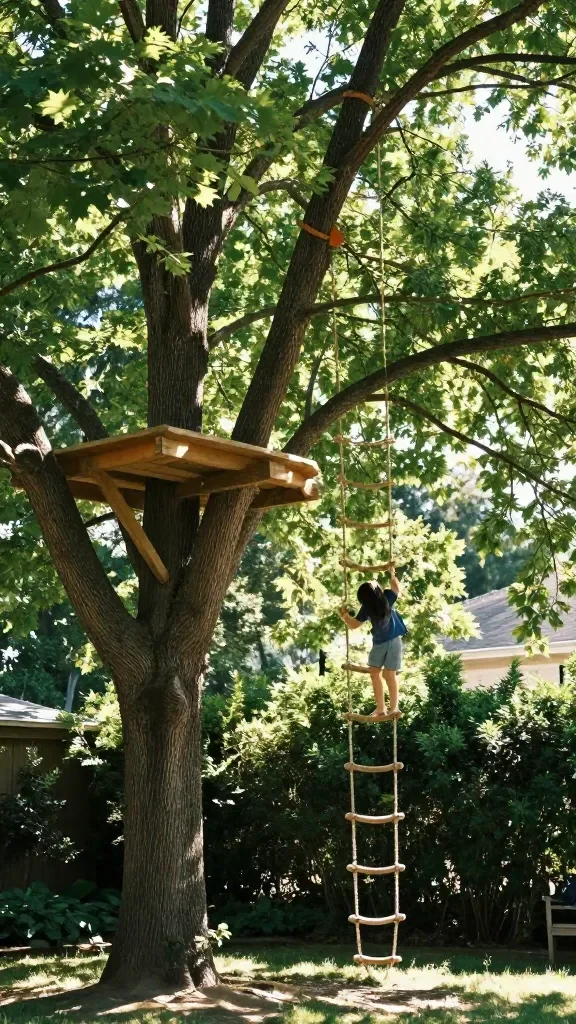
– Build a simple tree platform with a rope ladder. Let the tree do the heavier lifting and your imagination handle the rest.
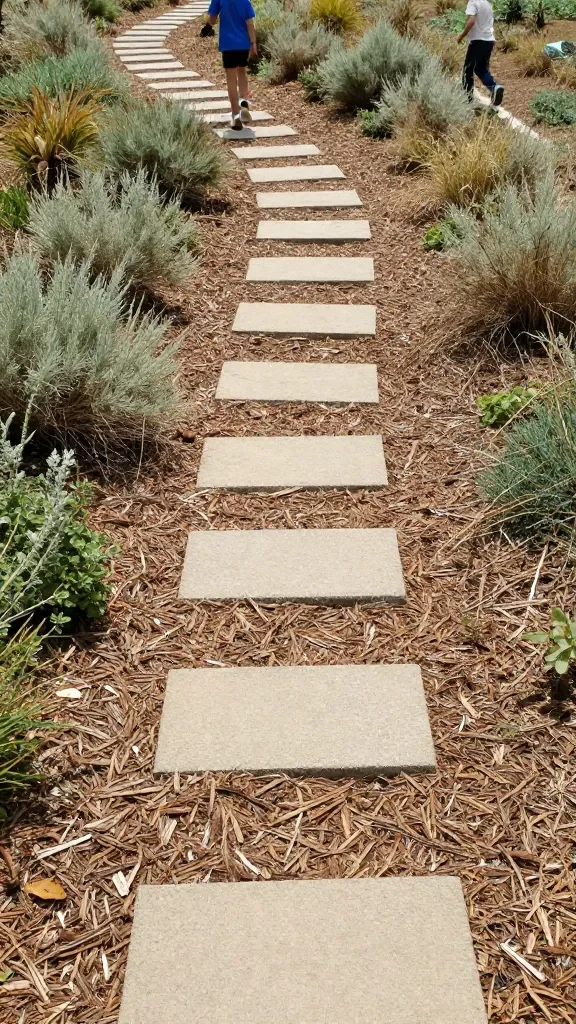
– Create a ground-level trail with stepping stones and soft mulch. It’s a mini hike without leaving home.
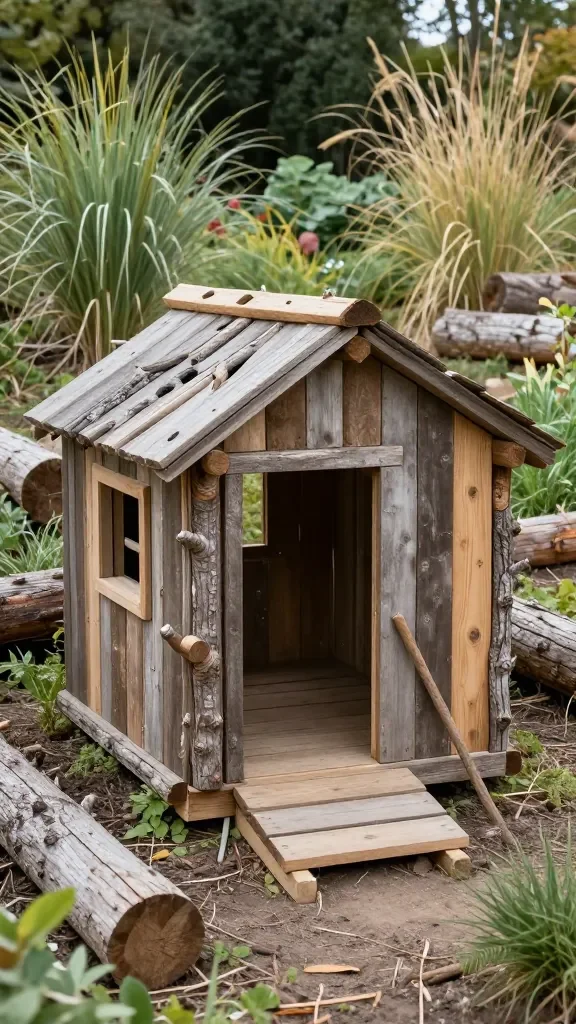
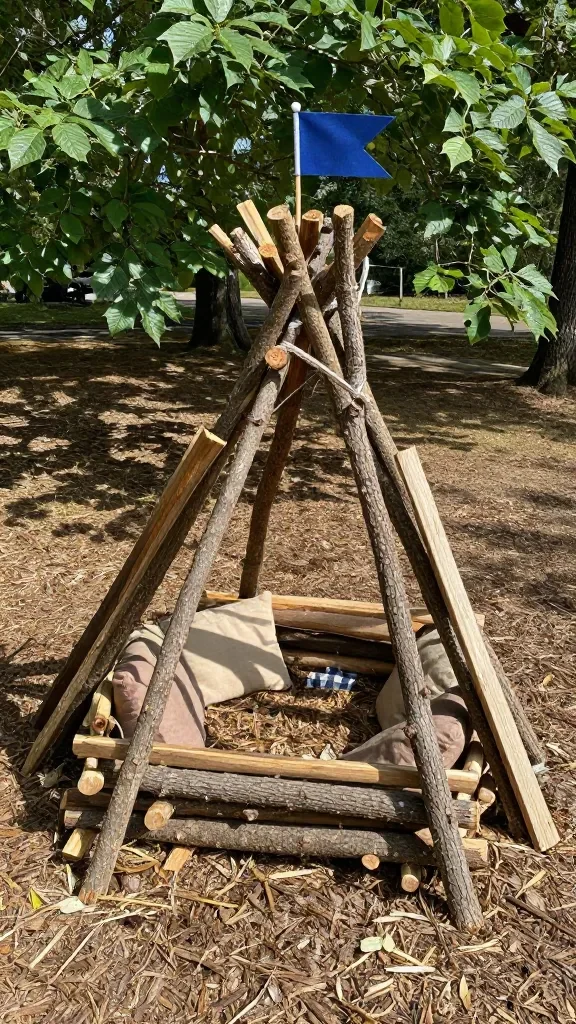
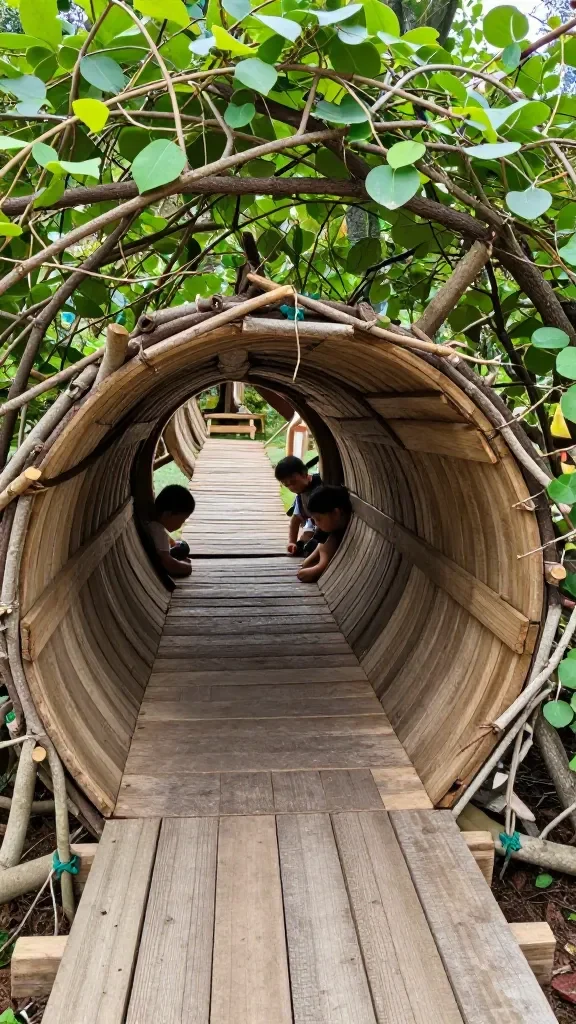
Why go fake when real wood and earth feel so much more alive? Use fallen branches, logs, and weathered planks to craft playhouses, mini forts, or tunnels. The key is keeping it modular so you can rearrange as the kids grow or the garden changes with the seasons.
Water Features That Don’t Turn Your Yard into a Swamp
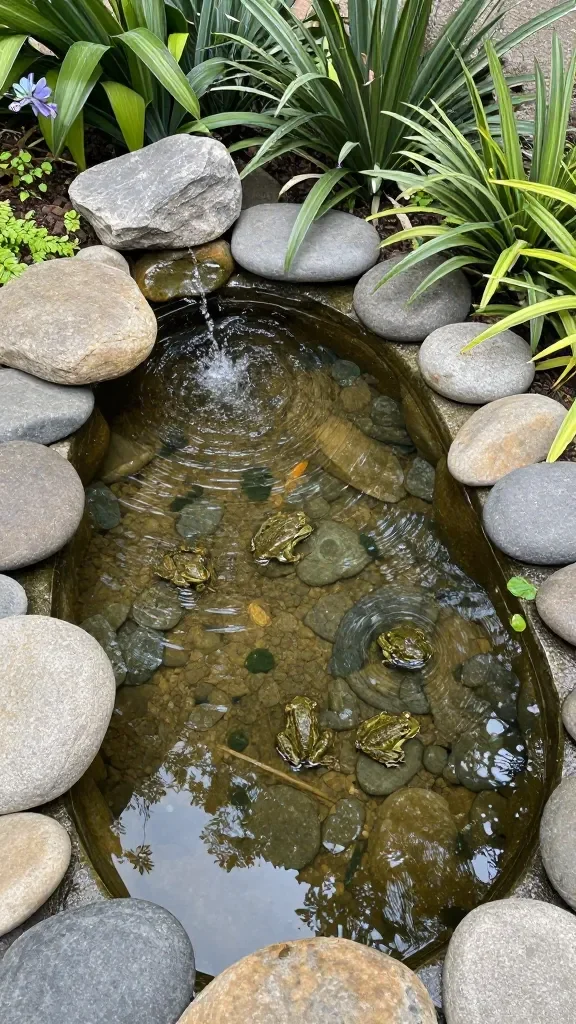
- Shallow stone pond with dry-bed plantings
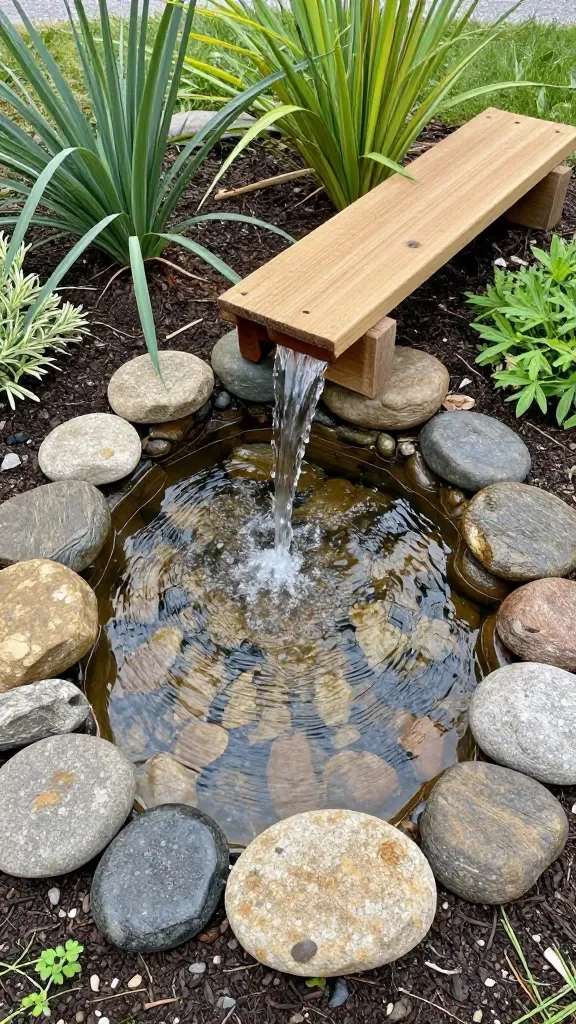
- Rain chain leading to a small splash pool
- Mini creek bed using gravel and smooth stones
Water creates magic, but it shouldn’t create a constant maintenance headache. Think shallow, safe, and wildlife-friendly. A rain garden nearby can handle runoff, while a small solar-powered pump keeps the flow without guzzling energy. FYI: kids love watching droplets navigate a pebble obstacle course.
Underground-Savvy, Overhead-Bulky: Soil, Sand, and Natural Textures
- Nature mulch play zones with engineered wood chips
- Sandpit shaded by a leafy canopy
- Earthy ground cover like clover or creeping thyme for a soft, walkable surface
Texture is everything. A mix of sand, soil, and natural mulch gives kids a sensory playground where they can dig, build, and explore without heavy plastics. Keep surfaces age-appropriate and safe, with gentle slopes and clear boundaries to protect planted beds.
Green Nooks: Cozy, Quiet Spaces for Reading and Hideouts
- Raised cedar planter seating around a small amphitheater
- Hidden nook behind a hedge tunnel
- Hammock slide between two trees for a breezy nap station
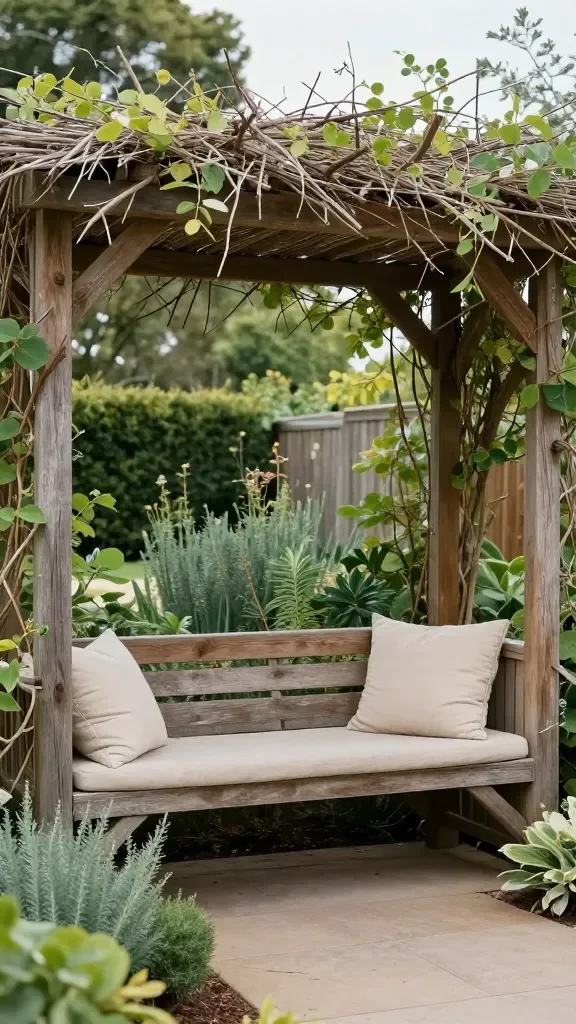
Play isn’t all running; some days it’s lounging and daydreaming. A green nook invites kids to slow down, notice birds, and fuel curiosity with a nature scavenger list. Keep it low-key but charming, with compostable cushions and natural fabrics. IMO, the best ideas are the ones you’d actually want to sit in yourself.
Edible and Explorative: The Garden as a Playground
- Raised herb spiral that doubles as a magnet for pollinators
- Fruit trees with stacked seating benches under their shade
- A tiny orchard corner with trellised vines for climbing
Kids love tasting what they grow. Let them plant, water, and harvest. A dedicated “grow and explore” corner teaches responsibility and patience, plus you get fresh snacks. FYI: choose plants with quick yields and non-toxic parts for younger kids.
Subsection: Mess-Free Harvesting Tips
- Label everything with simple pictures to jog memory
- Use a shared harvest basket to cut down on extra cleanups
- Install a small chalkboard to track what’s ready to pick
Natural Play Surfaces: Safe, Sustainable, and Cushy
- Cork or rubber mulch for shock absorption and longevity
- Compost-friendly pea gravel for a crunchy crunch underfoot
- Grass paths with stepping-stone accents for a soft sprint
Surface choice matters: you want something resilient, non-toxic, and easy to maintain. Premium mulch and natural gravel give a gentle cushion for tumbles, while still encouraging barefoot exploration. And yes, you can have a lush lawn elsewhere—just not where the rough-and-tumble happens all day.
Wildlife-Friendly Elements That Double as Play Partners
- Bird feeders and shallow water bowls (keeps the neighborhood birds happy)
- Log piles tucked on the edge for critter homes
- Pollinator-friendly plant borders to invite butterflies and bees
Think of your yard as a mini-ecosystem. A few thoughtful habitats attract wildlife that kids can observe up close. It’s science class without the worksheets, and a gentle reminder that nature thrives with a little space and respect. IMO, this is where the most magical play moments happen.
DIY Craft Corners: Upcycled Tools and Tools-That-Feel Like Toys
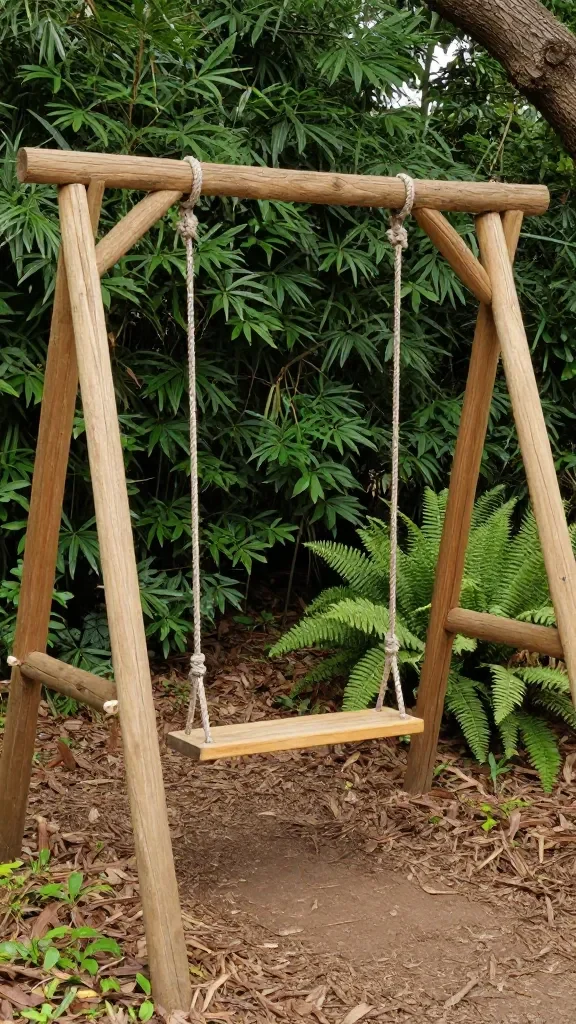
- Tool benches built from recycled pallets for “kid projects”
- Wind chimes and simple crafts from natural materials
- Tire swings repurposed from old tires
Eco-friendly doesn’t mean boring. DIY corners let kids feel like tiny artisans: painting, building, and creating with safe, kid-sized tools. Use leftover scraps for a mini workshop—better for the planet and your budget. FYI: involve kids in the maintenance of their space; ownership boosts pride and reduces chaos.
Subsection: Easy Safety Checks for DIY Features
- Inspect wood for splinters and seal with non-toxic finish
- Secure hardware to prevent loosening over time
- Keep edges rounded and surfaces smooth to minimize scrapes
Maintenance Minimalist: Keeping It Eco Without the Burnout
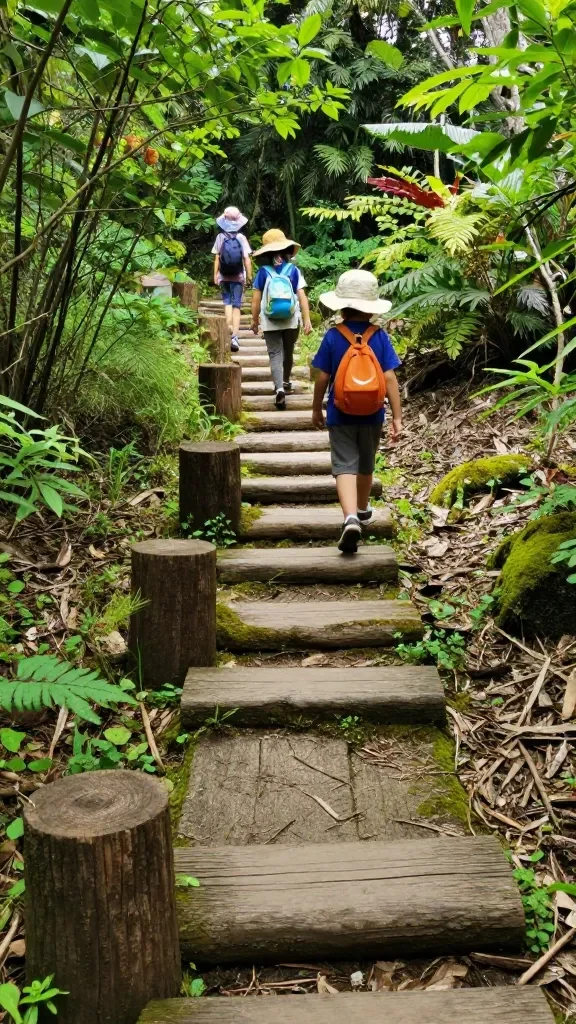
- Solar lighting along paths for low-energy ambiance
- Compost bin near the veggie patch to recycle scraps
- Low-water plants and mulched borders to cut watering time
An eco-friendly playground should feel effortless to maintain. Think reusable, repairable, and renamable as your priorities shift. FYI: set a monthly quick-check routine—tighten screws, sweep debris, and prune the edges so plants don’t turn into mini-jungles.
FAQ
What is the best age-appropriate setup for a mixed-age backyard?
Focus on zones rather than one big structure. A low-risk climbing feature, a sandy play area, a garden corner, and a quiet reading nook cover toddlers to early elementary kids. Build in adjustable heights and simple, modular pieces so the space “grows” with them.
How can I make this space truly eco-friendly?
Use natural materials (wood, stone, native plants), prioritize solar-powered features, and minimize plastic. Opt for rainwater harvesting if possible, and create habitats that invite wildlife. FYI: choose non-toxic paints and finishes, and avoid chemical pesticides.
What are some quick, budget-friendly upgrades?
Harvest fallen branches for natural forts, furnish with upcycled pallets, and plant fast-growing, drought-tolerant natives. A simple shade sail or a handmade canopy can transform a hot day into a breezy hangout without a big spend.
How do I keep kids safe without turning the space into a sterile playground?
Use natural textures and soft edges, maintain clear sightlines, and place boundaries with mulch or low borders. Regularly inspect structures, and avoid sharp, protruding hardware. The goal is fearless play, not fear of a scraped knee.
Can I involve kids in planning and maintenance?
Absolutely. Give them a voice and some ownership: let them select plants, design a small path, or choose a corner for a dragon-egg rock collection. When kids help shape their space, they take pride in it and pitch in to keep it nice.
Conclusion: A Dreamy, Eco-Friendly Backyard in One Sun-Filled Space
With a handful of natural materials, smart layouts, and a dash of imagination, you can create an outdoor paradise that’s fun, sustainable, and incredibly writable in the margins of your life. This isn’t about chasing perfection; it’s about inviting curiosity, slowing down, and letting nature take the lead.
So grab some fallen branches, a bag of mulch, and a sunny afternoon. Your dream backyard is closer than you think—and it’s ready for adventures that don’t cost the planet a thing. IMO, you’ll love how easy it is to tweak, recycle, and reinvent as the seasons change. FYI, the best moments often come from the simplest setups—just add kids and a bit of imagination.