
How to Get Rid of Ants in the House Fast
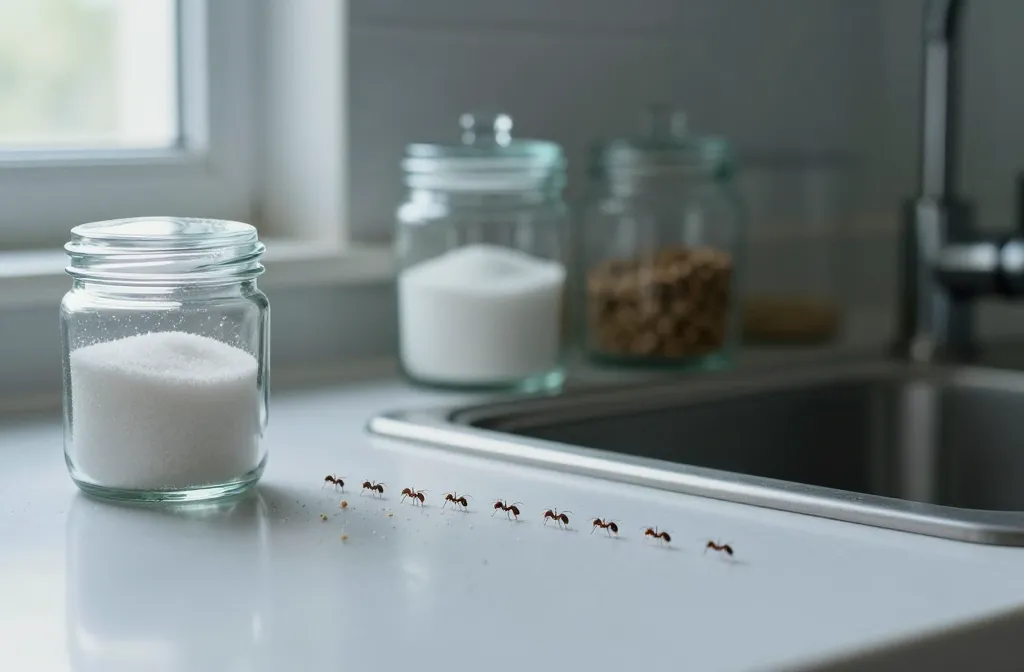
Ants marching through your kitchen like tiny tourists? Let’s cut the dance floor chaos and get serious about getting rid of ants fast. You don’t need an army of remedies—just smart moves, a little patience, and a plan you can actually stick to.
First, understand what you’re dealing with
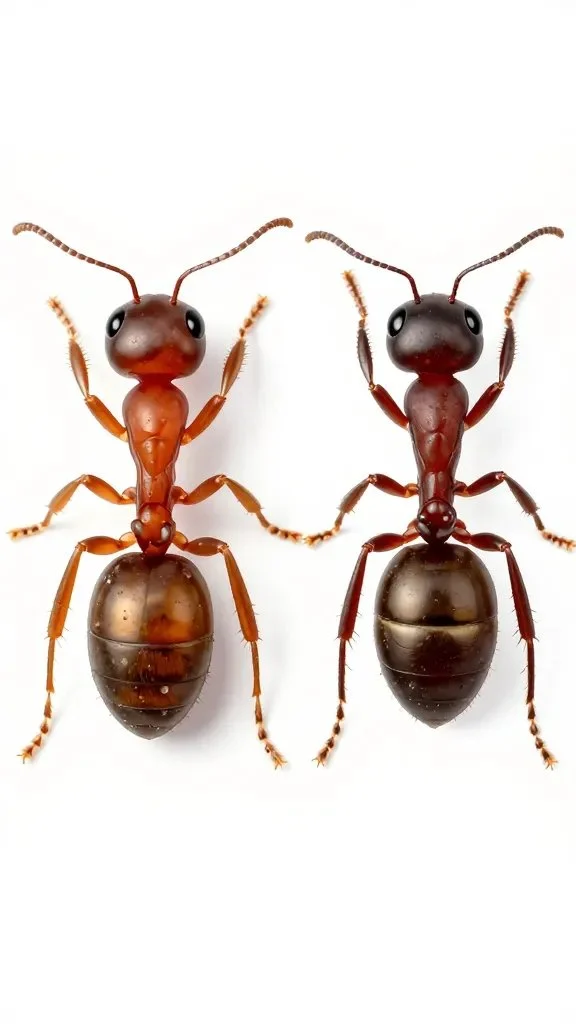
Ants show up for one reason: food and water crumbs. They leave strong scent trails for the squad to follow, so if you’ve got a party spread on the counter, you’ll turn your home into a welcome mat. FYI, every species has its quirks, so identifying whether you’re dealing with sugar ants or pharaoh ants can shape your plan. Not sure? Start with the trail: does it disappear after a cleansing wipe, or does it reform like a bad TikTok trend?
Cleanliness is your first weapon

– Wipe down counters, sweep crumbs, and don’t leave dishes to “soak” overnight.
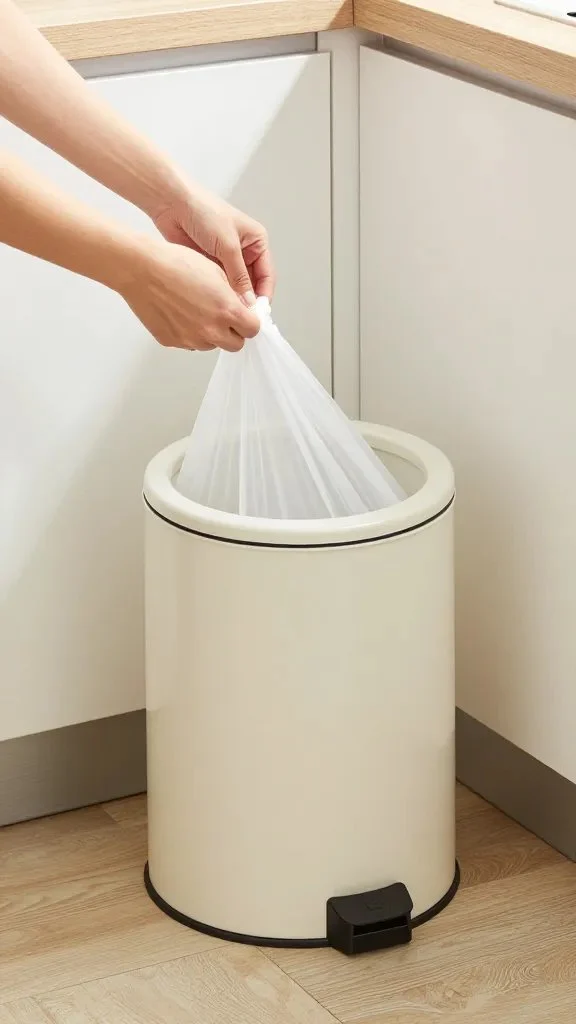
– Put trash in a sealed can and take it out regularly.
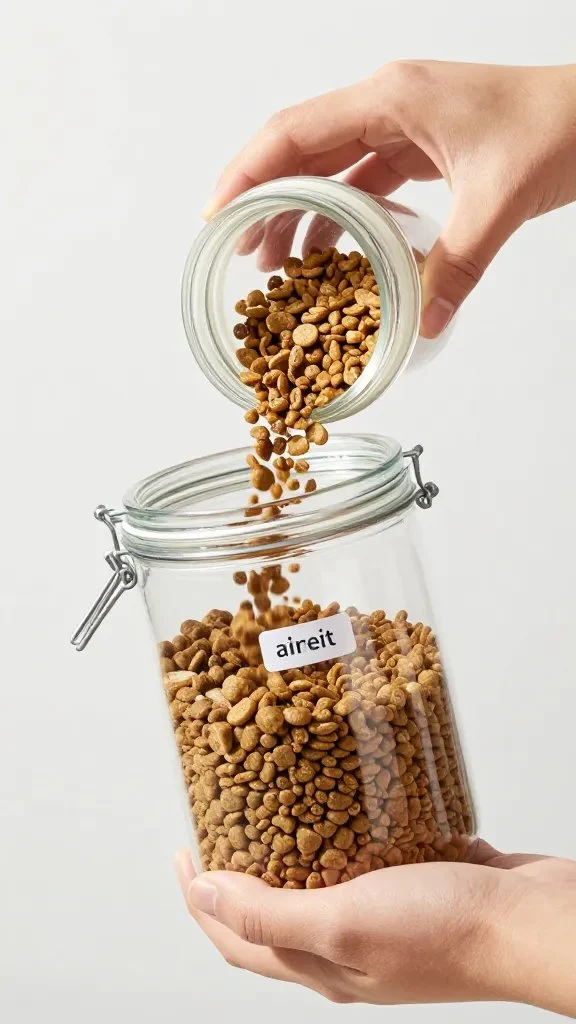
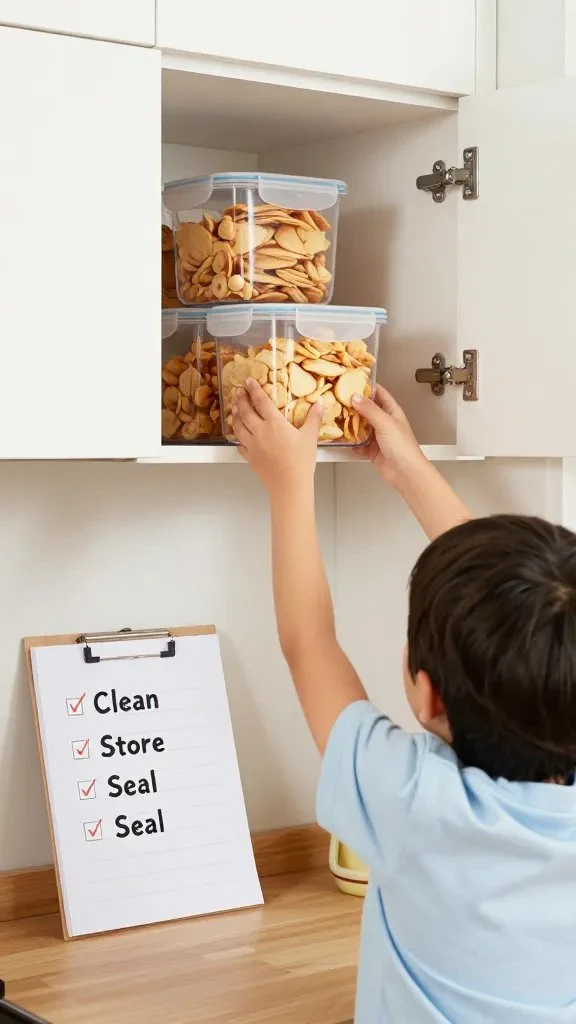
– Store food in airtight containers, especially snacks, pet food, and sugary sources.
– Don’t forget the hidden hotspots: behind appliances, under sinks, and inside cupboards near crumbs.
- Seal with a spray bottle of water and a drop of dish soap for a quick barrier wipe.
- Clean the sink and disposal area; ants love lingering moisture.
Spot the high-risk spots
Ants love to nest near moisture and warmth. Check under the sink, along baseboards, and the edges of countertops. If you see a long line of ants, follow it to the source—usually a crack or gap where they’re sneaking in.
Block the entry points like a boss
Your home has gaps big enough for a tiny ant to moonwalk through. Caulk windows, doors, and any obvious cracks. If you don’t want to go full handyman, use weatherstripping along doors and a tube of sealant on stubborn gaps.
- Weatherstripping around doors can reduce entry points dramatically.
- Check plumbing holes where pipes enter the house; seal them up tightly.
Temporary fixes that buy you time
If you’re not ready to seal everything today, use chalk lines or tape to block paths short-term. It’s cheap, it’s quick, and it buys you a day or two to implement a longer-term plan.
Kill the colony, not just the scout
A robust approach targets both the worker ants and the queen. Here are practical moves:
– Baiting correctly: Place sugar-based or protein-based baits where you see ants. Let them carry the bait back to the nest. Do not spray pesticides directly on trails; you’ll kill some ants, but you’ll also disrupt the trail they use to recruit others.
– Natural options: Borax-based baits (used carefully) or diatomaceous earth can help, but they require patience. Sprinkle along trails, away from pets and kids. FYI, diatomaceous earth works by damaging exoskeletons when ants walk through it – you’re basically giving them a crispy vacation.
– Chemical baits: If you go chemical, follow label directions. Keep away from food prep areas and ensure pets and kids can’t reach them. If you’re squeamish about DIY baiting, call a pro for a targeted treatment.
Timing matters
Ants reproduce quickly, but the queen’s schedule is a mystery. Consistency beats intensity—apply baits consistently for a couple of weeks. If you still see activity after that, it’s time to reassess entry points or consider professional help.
Declutter like a minimalist ninja

Less clutter means fewer places for ants to hide and fewer crumbs to tempt them.
- Organize pantry shelves with bins and labels so you notice spills fast.
- Store dry goods in glass jars with airtight seals.
- Vacuum regularly to remove hidden crumbs behind appliances and furniture.
Special pantry tips
Keep cereal boxes and cracker packets in sealed containers. Wipe the inside walls of shelves to remove stray crumbs. An occasional wipe-down with a vinegar-water mix can deter following scent trails (ammonia is also a scent deterrent, but use with caution around kids and pets).
Natural versus nerdy: choosing your armor

– Natural methods: Vinegar spray, lemon juice, peppermint oil, and cinnamon can disrupt scent trails. They won’t instantly kill a colony, but they help slow the spread and discourage foraging.
– Commercial options: Bait stations and small insecticidal gels that are designed to be pet- and kid-friendly can be effective when used correctly.
– Professional help: If you’re dealing with a large infestation, or a stubborn species like carpenter ants, a licensed pro can map the nest and implement targeted treatments.
When to call in the pros
If you notice: extensive foraging trails over several days, damage to wood, or a persistent testy colony despite your best efforts. Some ant species require specialized baits or fumigation approaches that DIY just can’t safely handle.
Dealing with pet and kid safety
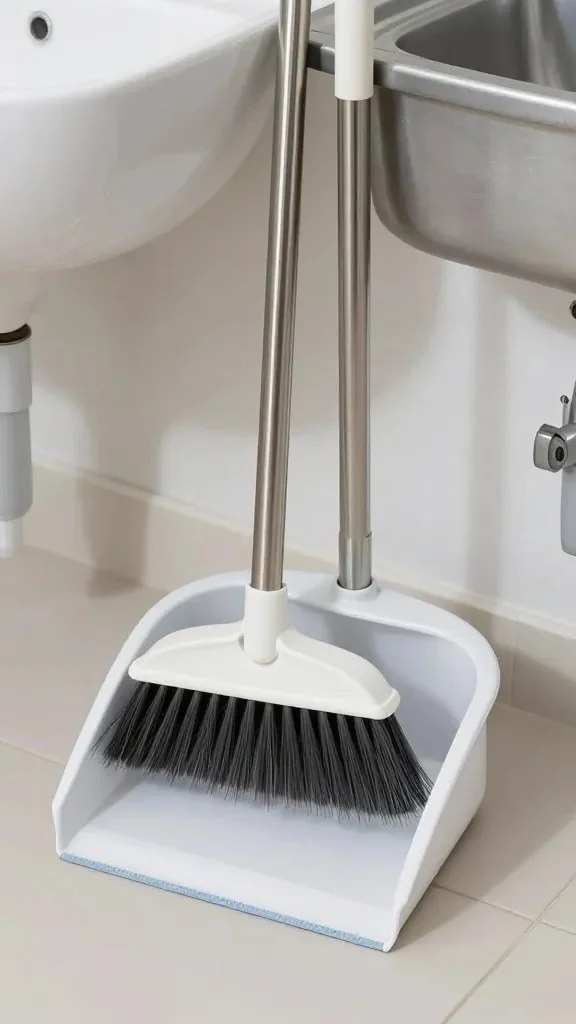
Ant control should be effective but not reckless.
- Keep bait stations out of reach of curious paws and tiny hands.
- Store cleaners and pesticides high away from kids and animals.
- Label everything and don’t mix products unless the label says it’s okay.
Smart shopping tips
Look for products with clear directions and child- or pet-safe claims. Read reviews to see how well they work in real homes. FYI, “natural” doesn’t always mean safe around pets—double-check ingredients.
FAQ
Do ants die if I spray them directly with cleaner?
Direct sprays might kill some ants on contact, but they don’t remove the colony. Sprays can disrupt trails, which may backfire by scattering ants further. Better to follow a baiting plan and targeted entry sealing for lasting results.
How long does it take for baits to work?
Typically, a few days to a couple of weeks. The goal is for worker ants to carry the bait back to the nest and share it with the queen. Don’t panic if you still see ants after a day or two—patience is part of the plan.
Can I prevent ants from coming back once I’ve cleared them?
Yep. Keep floors clean, seal entry points, store food properly, and maintain bait stations until you’re sure you’ve wiped out the nest. A yearly refresh of seals and a quick pantry audit helps a lot.
Is it safe to use essential oils as an ant deterrent?
Some people have success with peppermint or tea tree oils, but results vary. Oils can irritate pets or kids in high concentrations. Use sparingly and don’t rely on them as your sole strategy.
What if I have a carpenter ant problem?
Carpenter ants tunnel into wood, which can indicate structural work is needed. If you suspect carpenter ants, call a pro promptly. DIY baiting isn’t enough and may delay needed repairs.
Should I worry about ants returning after I think they’re gone?
Yes, because colonies can be persistent. Re-trace your steps, reseal gaps, and monitor for new trails. A quick weekly check for a month or two is a smart move.
Conclusion

Ants aren’t invincible—just stubbornly organized. Clean, seal, bait, and maintain. Stay consistent, and you’ll see the trails shrink and disappear. IMO, the big win is turning your kitchen into a no-snack zone for invaders without turning your life into a full-time pest-control gig. If you’re feeling overwhelmed, remember: you’re not alone, and a quick consult with a pro can save you weeks of frustration.