
How to Layer Bedding for Cozy, Effortless Nights
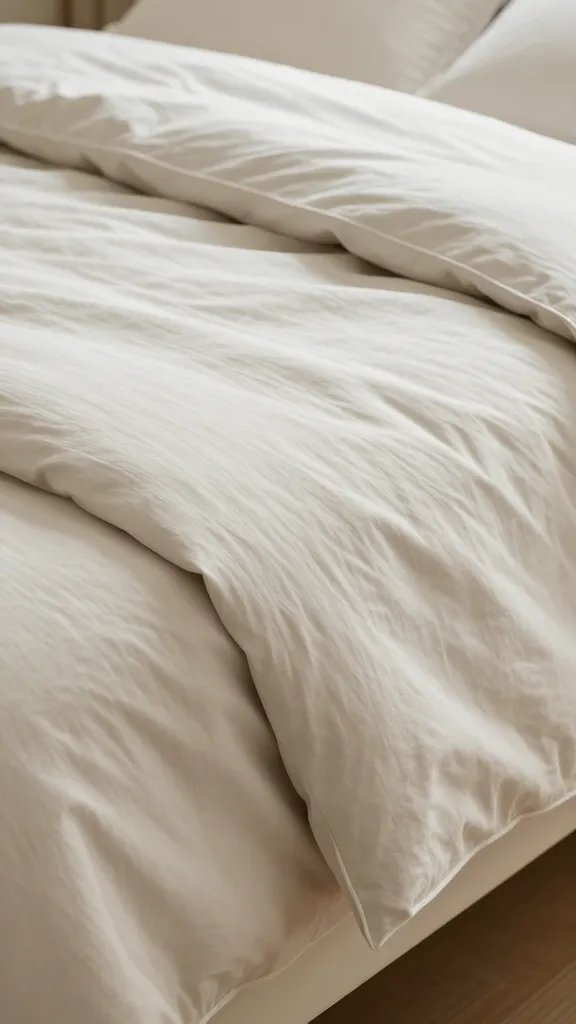
I know the feeling: you crawl into bed and it’s a whirlwind of sheets, blankets, and pillows that somehow ends up more chaotic than cozy. Layering bedding can feel like rocket science, but it doesn’t have to be. Let’s break it down so your bed looks intentional and feels amazing—without turning your room into a boutique hotel set.
Why layering bedding actually matters
Layering isn’t vanity; it’s comfort control. A proper stack traps heat when you need it, adds softness on top, and creates a breathable buffer against night sweats. Plus, it looks deliberate and inviting—like you actually know what you’re doing with textiles. FYI, the right mix of textures can transform your bed into a hug with a design sensibility.
Start with the basics: the core stack
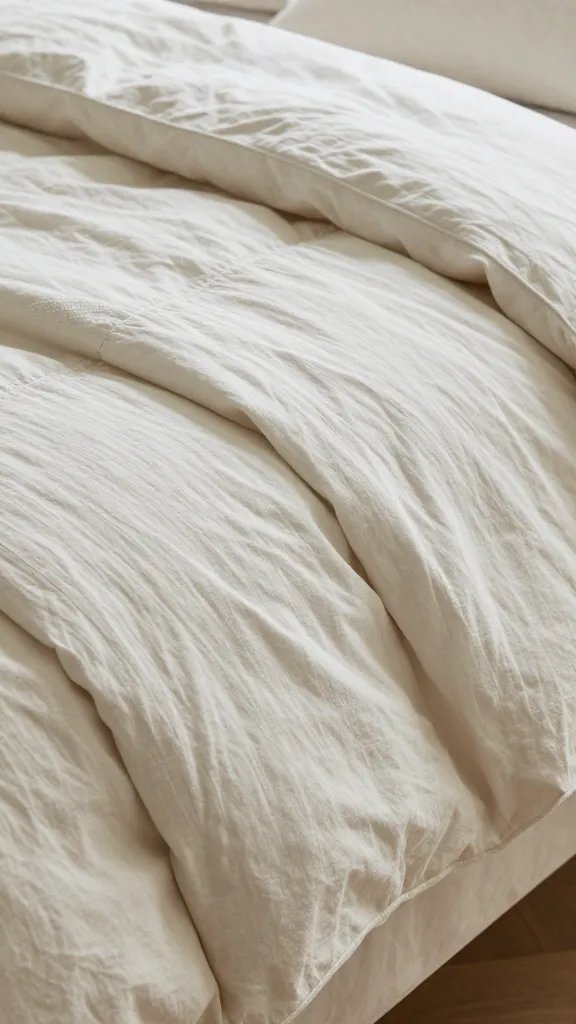
Your baseline is simple, sturdy, and functional. Here’s the core you want to build from:
- Fitted sheet that hugs the mattress snugly
- Flat sheet with a clean hem and a little extra length
- Light blanket or duvet for the main warmth layer
– Fit matters: make sure the fitted sheet fits your mattress depth. If it’s loose, you’ll wake up in a cottony disaster. No one wants a midnight chase after a sheet逃 (okay, not chasing sheets, but you get the idea).
– Do you prefer a duvet or a comforter? Decide once and stick with it. Duvets handle temperature swings better, but comforters are fluffier and quicker to wash.
Texture, weight, and temperature: building the top layers
This is where you get creative, but also where you avoid turning your bed into a walking quilt.
Weight ladder
– Light layer: a breathable blanket or duvet insert for people who sleep hot.
– Medium layer: a thicker duvet or a thermal blanket for cooler nights.
– Heavy layer: a chunky knit throw or extra-warm duvet for real cold snaps.
Texture mix
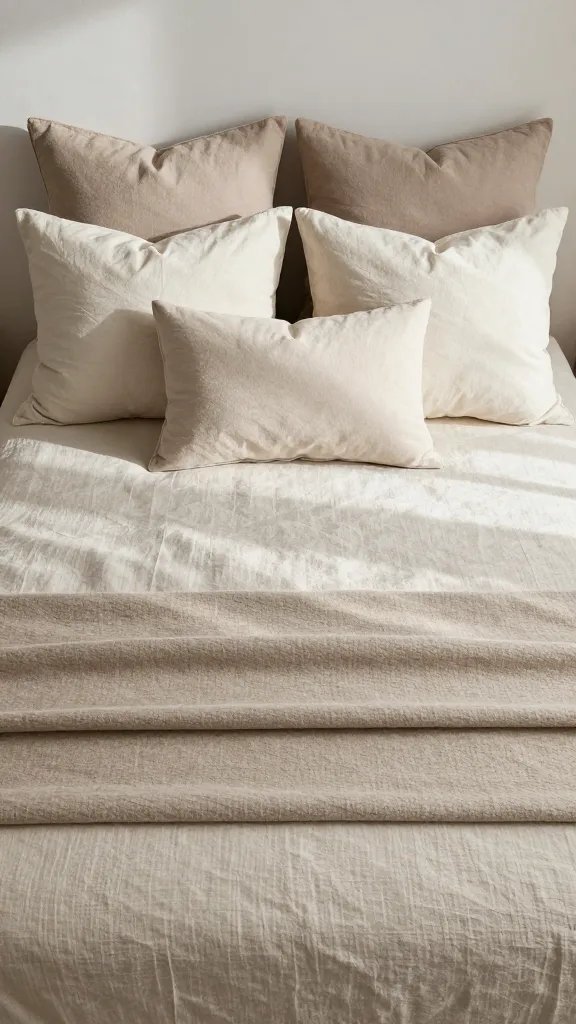
– Combine smooth cotton with a chunky knit, or pair a percale sheet with a plush blanket.
– Different textures feel warmer even if the actual warmth is similar, thanks to air pockets and surfaces that trap heat differently.
– Don’t go overboard—2–3 textures max keeps it cohesive.
Strategic blanket placement: where to tuck and drape
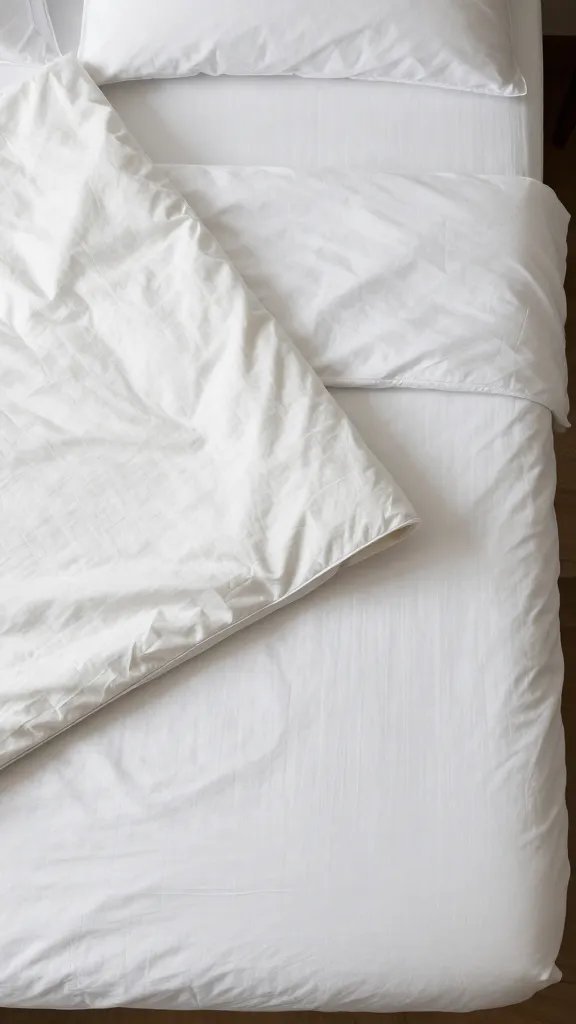
The way you place layers affects temperature, ease, and the “hotel vibe.”
- Start with the duvet or comforter as the top layer, folded down neatly at the foot for a tidy look.
- Fold the flat sheet over the duvet for a clean edge that shows texture and color.
- Leave some toe room at the bottom so you don’t feel boxed in when you stretch out.
If you’re sharing a bed, consider different weights on each side. Heavier blankets for him, lighter for her? Sure—just ensure the center of gravity on the bed feels balanced so you don’t accidentally pin someone to the footboard.
Color, pattern, and layering aesthetics
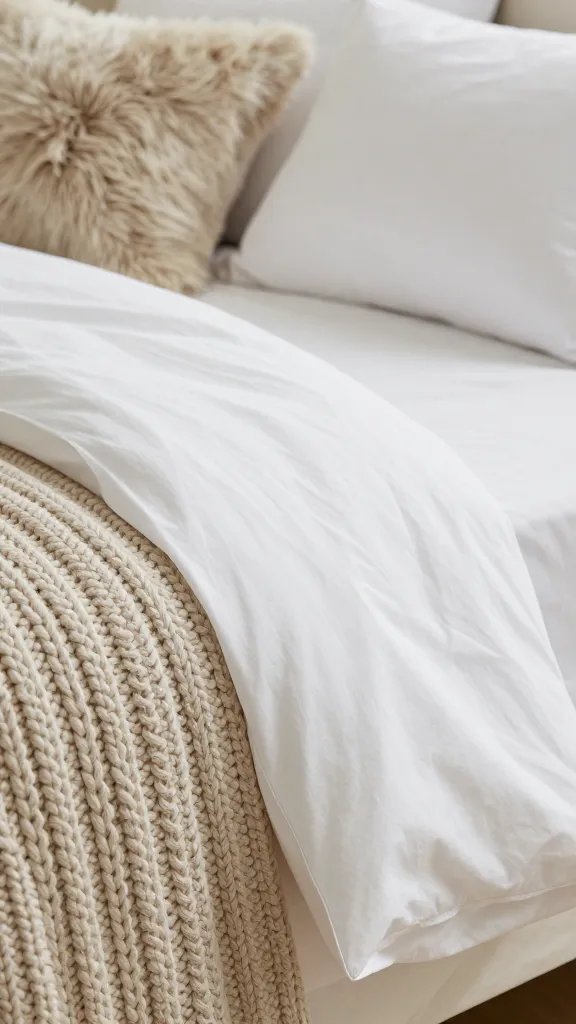
You don’t need to be a fashion designer to get this right. The goal is calm, not chaos.
Color coordination made simple
– Pick a neutral base (white, gray, beige) for the sheets and duvet cover.
– Add one accent color with a blanket or throw to pop without shouting.
– If you’re feeling bold, use two complementary colors, but keep patterns minimal.
Pattern play
– Mix a solid with a subtle pattern (fine stripes, small checks) to add depth.
– Avoid clashing florals with geometrics unless you’re going for maximalist vibes.
Practical tips for longevity and comfort
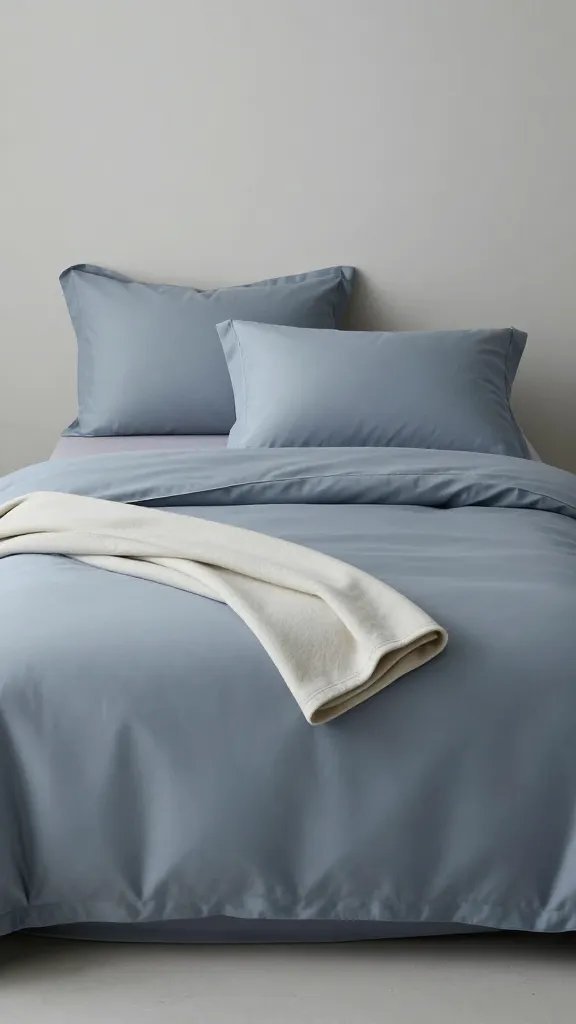
Bedding should last and still feel great after a dozen washes. Here are quick wins.
- Follow care labels like a responsible adult. Hot washes aren’t always the answer.
- Rotate blankets seasonally. What’s heavy in winter becomes a wearable blanket for your couch in summer.
- Invest in good pillow placement—a couple of supportive pillows plus one decorative layer can change the whole vibe.
If you tend to zone out and forget to wash, set a reminder. Your future sheets will thank you.
Seasonal layering: adapting without re-styling
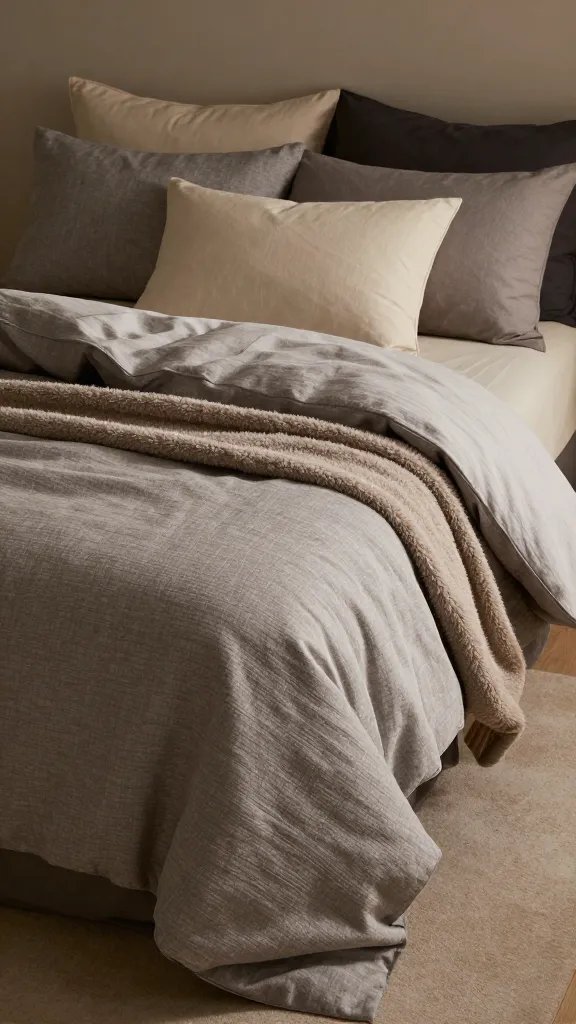
The trick is to adjust weights and layering as the weather swings.
- Winter: three to four layers with a warm duvet and a plush throw at the foot. Add a knit blanket for extra cosiness on chilly nights.
- Shoulder seasons: go lighter. A duvet plus a thin blanket or a mid-weight throw keeps you flexible.
- Summer: breathable fabrics, minimal layers, and a light duvet or no duvet at all if you sleep hot.
FYI, you don’t have to redo your whole bed every season. Swap in a lighter throw or a heavier cover as needed.
Maintenance habits that keep it chic
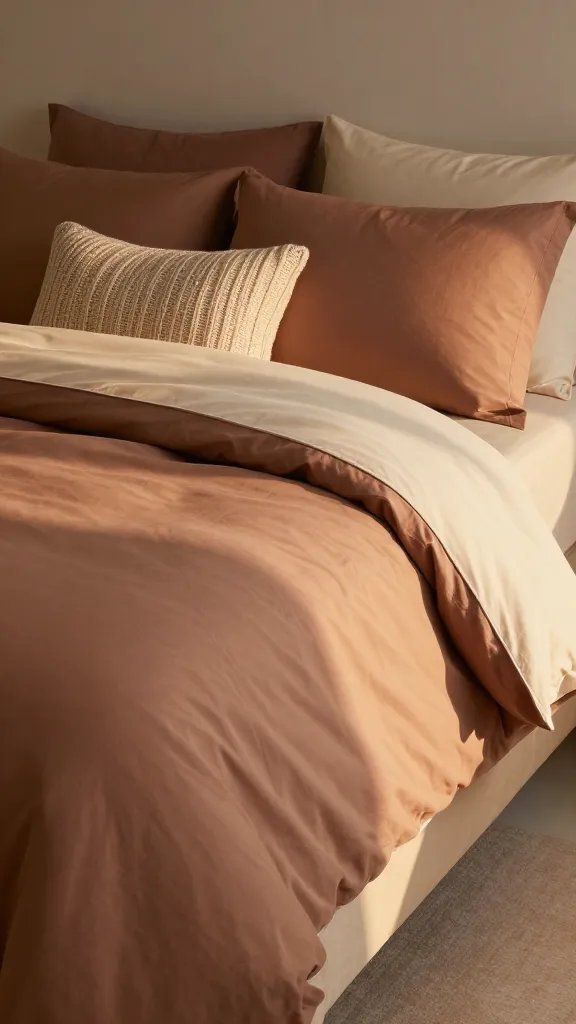
A bed that looks intentionally layered still needs upkeep.
- Shake out the duvet weekly to prevent clumps and cold spots. No, you’re not a farmhand—just a little tumble helps.
- Flip and rotate your duvet insert to avoid uneven wear. Yes, even your blankets deserve a turn in the sunlunshade (sunlight helps reduce odors, okay).
- Clean sheets weekly or biweekly, depending on your sweat level and allergies. Fresh sheets, happy you.
Resist the urge to use a random laundry detour. If the tag says cold wash, don’t pretend you know better.
FAQ
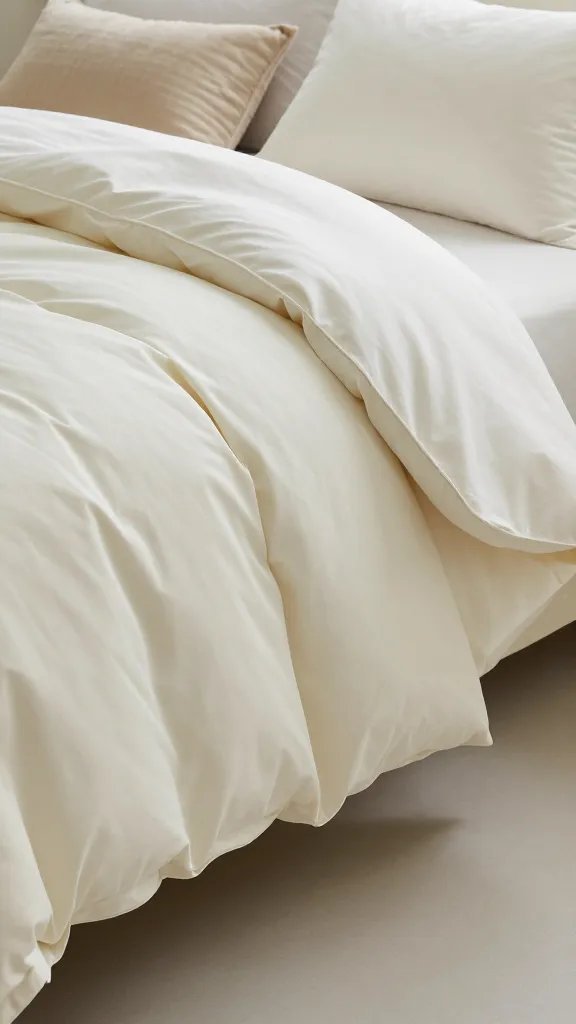
How do I choose the right duvet weight for my climate?
A good rule: go light if you sleep hot and go medium to heavy if you’re a cold sleeper. If you’re in between, a two-in-one or a duvet with a warmer fill for winter and lighter for summer works well. FYI, you can layer a lighter blanket with a duvet to dial in comfort.
Is it okay to mix different brands and sizes?
Absolutely. Mix and match by weight and texture rather than by brand loyalty. Just keep the sizes consistent so everything sits nicely on the bed. It won’t look cohesive if the edges skim the mattress and poke out like a drama queen.
How often should I wash bedding?
Sheets weekly, pillowcases more often if you sweat or have allergies. Duvets and blankets every few months unless you spill coffee on them (in which case, wash sooner). Quick tip: use a duvet cover to extend the life of your insert.
What if my partner and I have different warmth preferences?
Try separate blankets or a split duvet. You can each control your side’s warmth without waking the other during the night. It sounds fancy, but it’s mostly practical and surprisingly mood-lifting.
Can I layer without looking cluttered?
Yes. Stick to 2–3 textures and 2 colors in a calm palette. Keep edges neat—fold the top layers evenly and choose a duvet cover that complements the sheets. A tidy fold is the visual equivalent of a good haircut for your bed.
Conclusion

Layering bedding isn’t a secret ritual reserved for sleep gurus. It’s a simple, satisfying way to dial in comfort, temperature, and style with minimal fuss. Start with a solid core, add texture and weight thoughtfully, and tweak seasonally. Before you know it, you’ll be drifting off under a bed that looks as thoughtfully styled as it feels. And if you’re ever unsure, remember: IMO, a well-layered bed is basically a life hack for better mornings. Happy layering!