
How to Decorate on a Budget: Chic Rooms, Little Spend
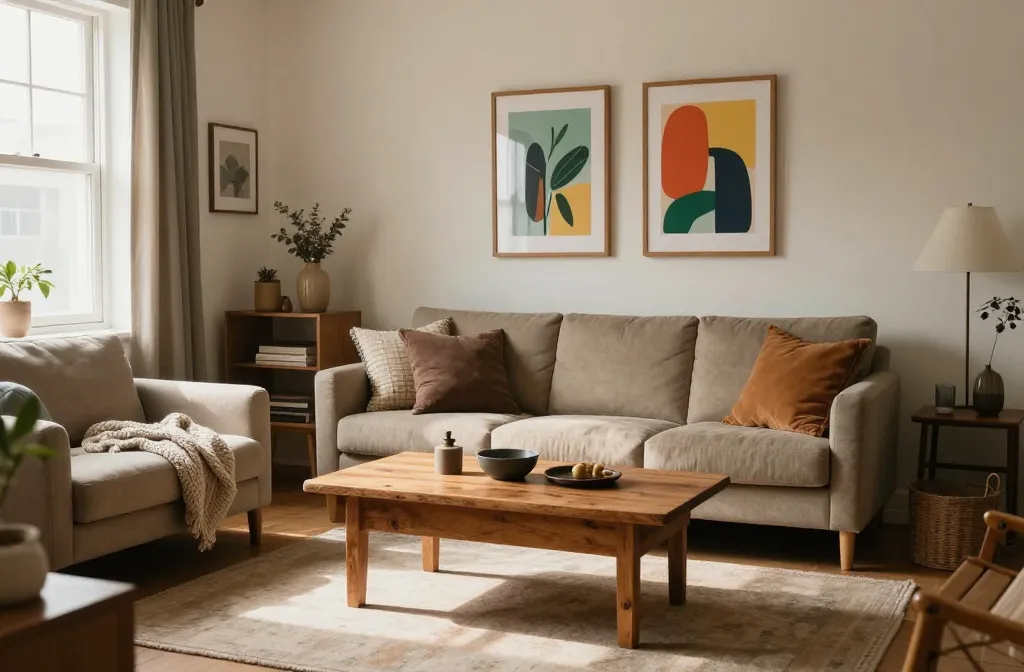
You don’t need a designer’s budget to make a space feel extra. With a few clever swaps, a little DIY spirit, and the right mood, you can transform a room without wrecking your wallet. Let’s skip the fluff and get you from “meh” to “heck yes.”
Set the vibe before you touch a paintbrush
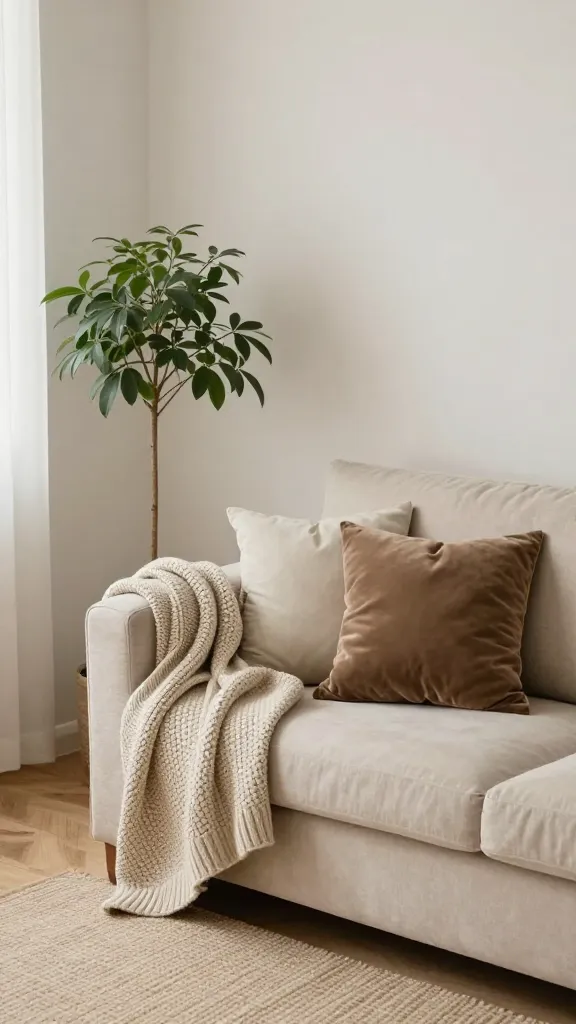
Have you ever tried to decorate without a vision and ended up with a mismatched mess? Me too. Before you buy a single pillow, picture what you want the room to feel like. Cozy? Bright and artsy? Minimal and calm? Aligning mood with function saves you money—trust me on this.
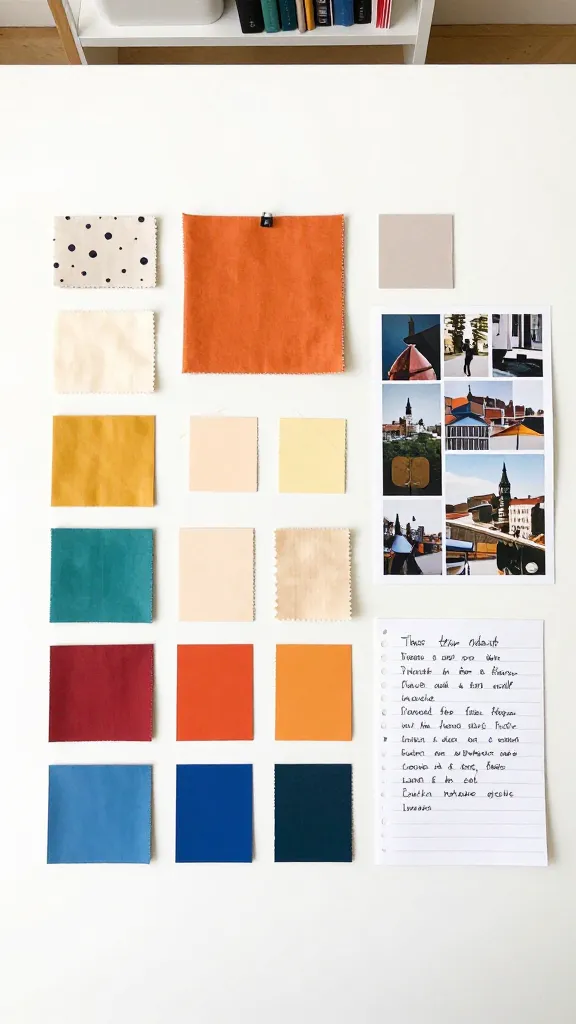
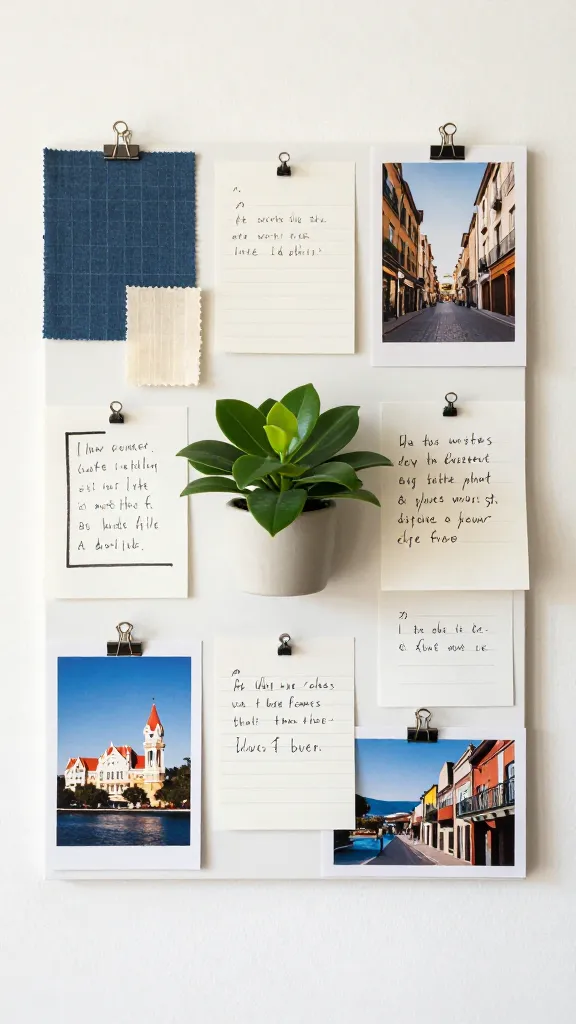
– Start a quick inspiration board. Snap photos, pin color swatches, and jot notes about how the space should behave.
– Define a color story with 2-3 core colors and a couple of accents. This keeps purchases cohesive.
– Decide what’s negotiable. If you can change lighting and textiles later, you can spend less now on furniture.
Why this works: it prevents impulse buys and gives you a clear target. FYI, a clear vibe also helps your photos look better on resale sites if you ever swap rooms.
Shop smart, not hard: where to find budget-friendly treasures
Decorating on a budget doesn’t mean shopping only at big box stores. It means being strategic about where you look and how you use what you find.
– Thrift stores and flea markets: hidden gems appear when you least expect them. Bring a tape measure and a spray bottle for quick revamps.
– Online marketplaces: search for “local pickup only” to dodge tired shipping fees. Bargain, but don’t be shady—ask questions and request dimensions.
– Discount home stores and end-of-season sales: timing is everything. Stack coupons and loyalty programs for bigger savings.
– DIY both big and small: repurpose pieces you already own with a fresh coat of paint or new hardware. A $10 lamp can feel brand-new with the right shade.
Pro tip: price-compare similar items and wait for seasonal clearance. Impulse buys burn a hole in wallets faster than you can say “I’ll fix it later.”
Color and textiles: the cheap, high-impact upgrades
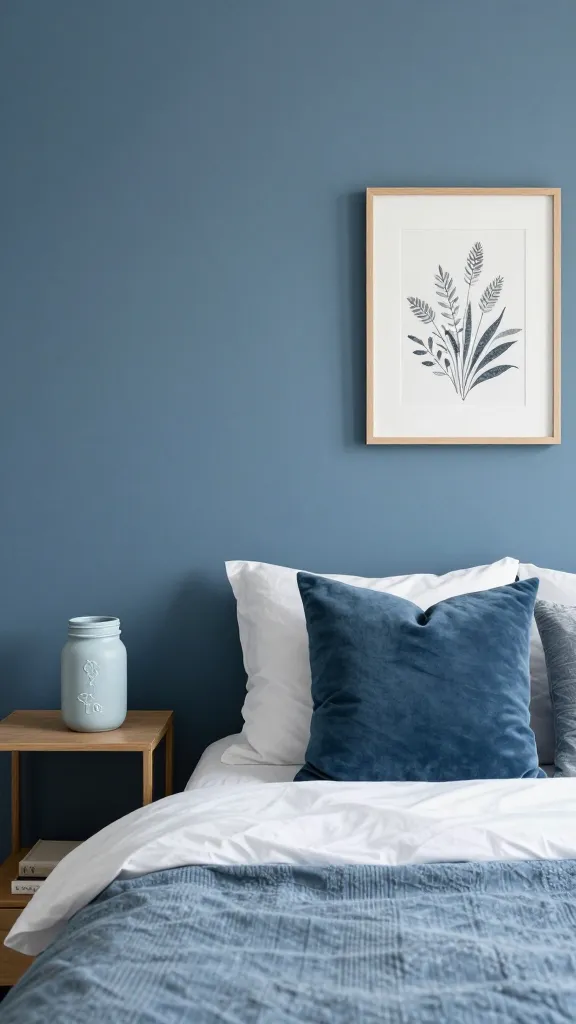
Texture and color are your friends when you’re decorating on a budget. They make rooms feel layered and intentional without breaking the bank.
– Fresh paint on a feature wall: bold colors draw attention and hide flaws. You can also try a two-tone approach with a lighter ceiling shade.
– Swap in new textiles: curtains, throw blankets, and pillows dramatically change the vibe. Look for affordable fabrics and DIY cover options.
– Rugs can anchor a room: a budget rug in a central area can transform space, especially if you zone areas within a larger room.
Subsection
DIY slipcovers and cushions
If you’re handy with a needle, sew simple cushion covers or slipcovers to refresh existing furniture. It’s cheaper than buying new upholstery and you’ll get a custom look.
– Pick durable fabrics: performance blends hold up better to daily wear.
– Use invisible zippers for a clean finish, or just envelope closures for quick wins.
– Measure twice, sew once. It sounds obvious, but it saves you from heartbreak and extra fabric costs.
Furniture mindset: scale, placement, and repurposing
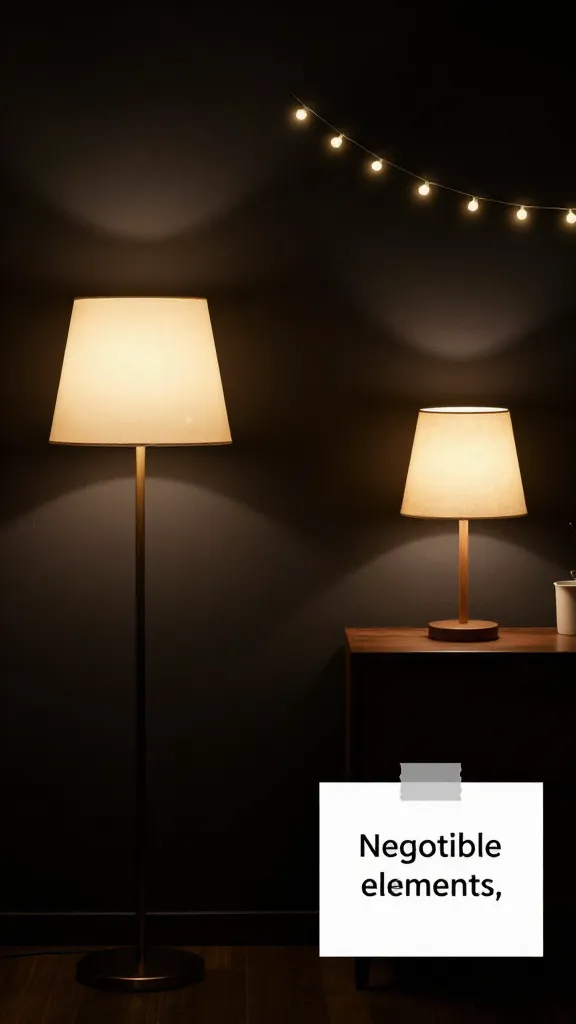
Furniture can make or break a budget. The goal is to maximize function with the pieces you own or can find for cheap.
– Measure and plan layout: a sofa that fits your space is more important than a fancy coffee table.
– Scale matters: too big, and the room shrinks; too small, and it feels empty. Aim for a balanced mix of seating that doesn’t crowd the walls.
– Repurpose what you have: a tall dresser becomes a media console with a fresh coat of paint; a console table can be a behind-the-sofa catch-all.
H3>Hardware and accents overhaul
Changing knobs, pulls, and frames can refresh furniture without breaking the bank.
– Swap out hardware on cabinets for a completely new look.
– Update outlet covers and light switch plates for subtle, modern details.
– Picture frames: rotate prints or photos to give character without buying new art.
Lighting: the budget magic trick
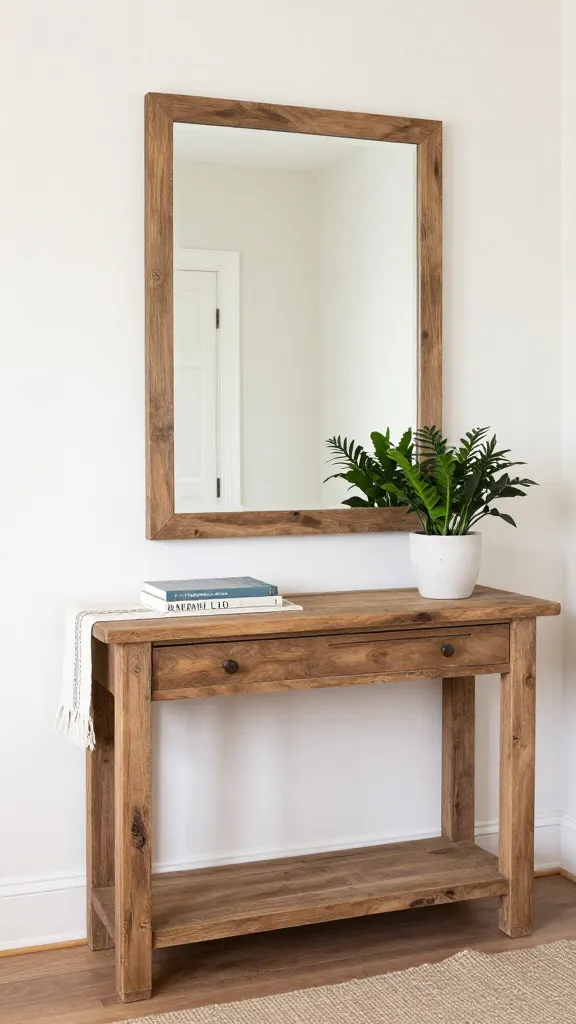
Lighting changes everything. It shapes mood, makes a space feel bigger, and your photos turn out better for Instagram. The best part: you don’t need a designer budget to play with it.
– Layer lighting: mix ambient, task, and accent lighting. Think ceiling lights plus a couple of lamps and a string of fairy lights for warmth.
– Plug-in sconces and clip-on lamps save you from wiring drama.
– DIY lampshades: a simple fabric wrap can transform a bland shade into something that fits your vibe.
FAQ will drop in soon, but first a quick thought: lighting is the easiest way to elevate a room without committing to big renovations.
Art and personality: the easy way to make it yours
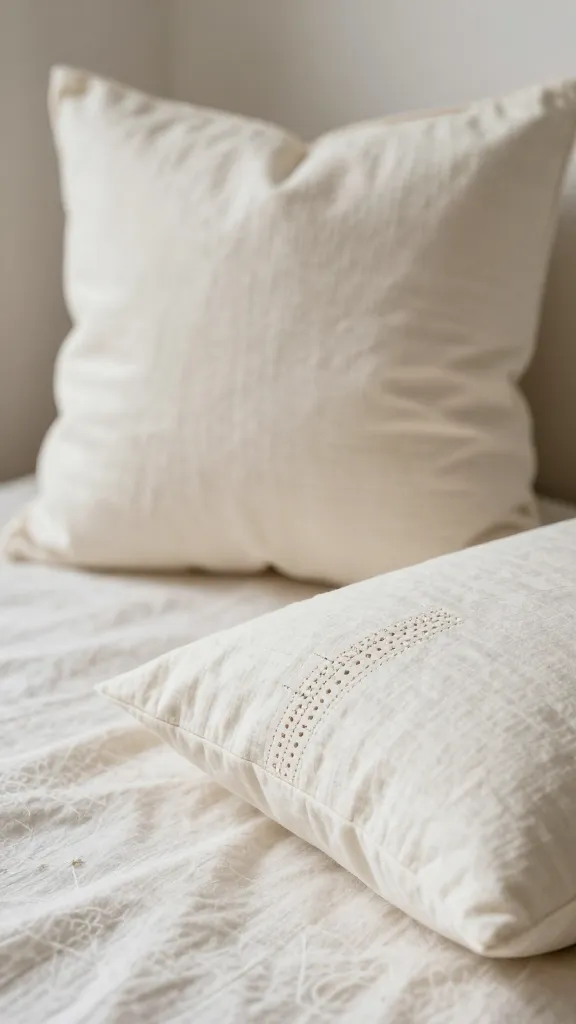
Art doesn’t have to come from a gallery to feel premium. It just needs intention.
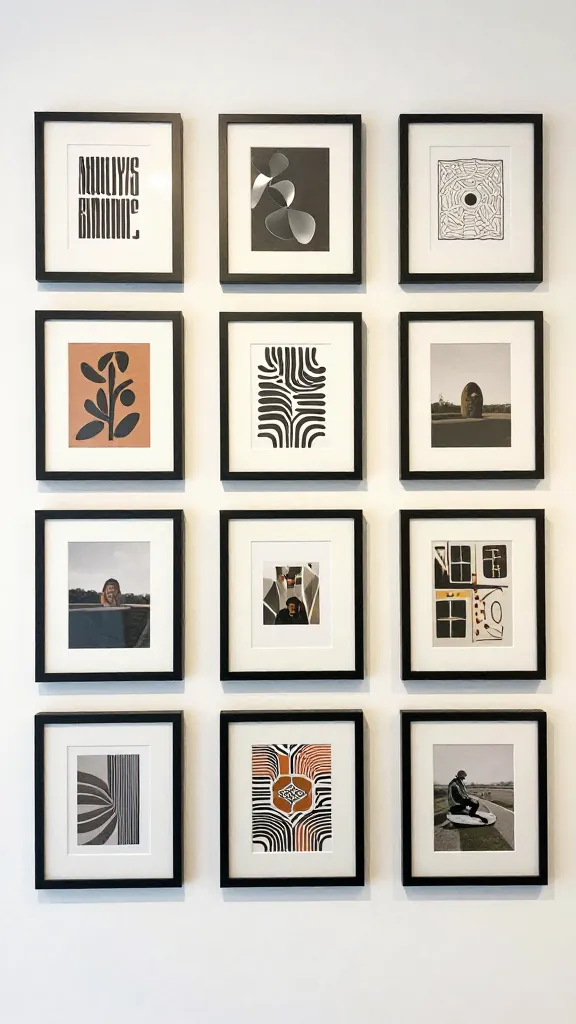
– Create a rotating gallery wall: mix affordable prints with personal photos in mismatched frames.
– DIY art: canvas prints from your own photographs, or abstract paintings using acrylics in a few bold strokes.
– Plants as art: greenery adds life and color. Use a mix of plants at different heights to create an artful display.
H3>Smart art buying strategy
– Stick to your color story to keep things cohesive.
– Don’t buy everything at once; build your wall over time so you avoid overdoing it.
Maintenance: keeping the look without the extra cost
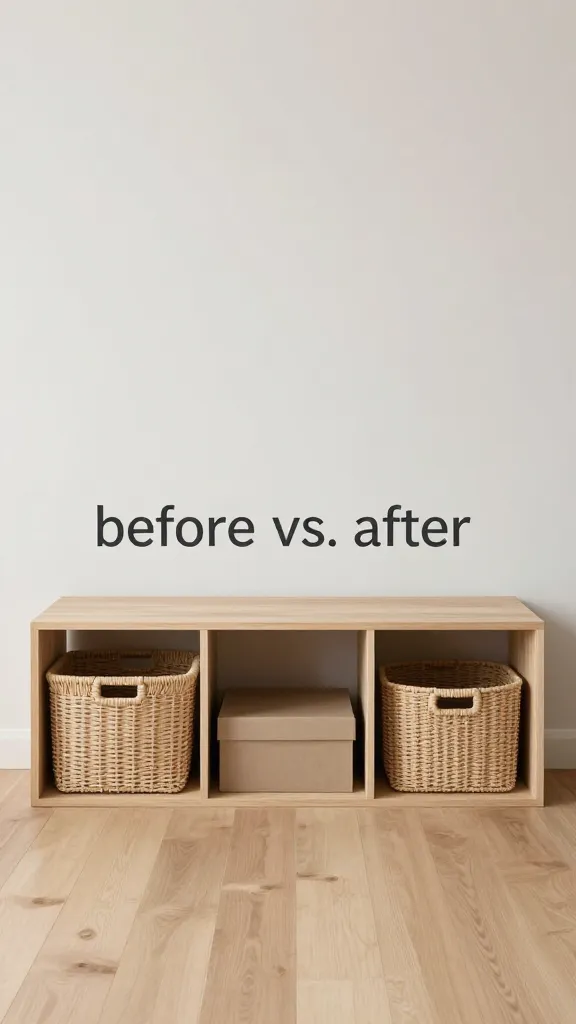
Once you’ve got the look, keeping it fresh is cheaper than you think.
– Quick refresh rituals: rotate one or two decor items monthly to keep the vibe alive.
– Clean strategically: a quick wipe-down beats buying fancy cleaners every week.
– Repair, don’t replace: loose screws, wobbly legs, or faded fabric can often be fixed with a quick fix rather than a full swap.
H3>Budget-friendly care tips
– Use microfiber cloths for dust to avoid scratching surfaces.
– Seal wood surfaces after a DIY project to extend life and reduce maintenance costs.
– Label storage boxes to avoid repurchases of items you already own but can’t find.
FAQ section
FAQs
Is it possible to decorate a whole room on a tiny budget?
Absolutely. Start with a clear vibe, curate a few key pieces, and fill in with affordable textiles and wall art. Focus on balance and function, not perfection.
Where should I splurge and where should I save?
Save on big-ticket items you’ll use daily but won’t notice for years, like lighting hardware or rugs. Splurge on items that affect daily use and comfort, like a durable sofa or a good mattress topper if you’re decorating a bedroom.
How can I refresh a space quickly without heavy work?
Swap textiles, switch up lighting, rearrange furniture, and add a couple of art pieces or plants. Small changes, big impact.
What if I don’t have time for DIY?
Lean into ready-made affordable finds, but still apply your vibe. A few well-chosen pieces can transform a space faster than you’d think. FYI, you can still DIY small accents like pillow covers or wall art in a weekend.
How do I know I’m sticking to my budget?
Set a ceiling price for each category (paint, textiles, furniture) and track as you go. Use a simple list or a budgeting app to see where every dollar went. If you’re tempted by something flashy, ask yourself if it aligns with your color story and whether you already own something similar.
Conclusion
Your budget-friendly decorating win, in one sentence
You don’t need a designer’s discount to make a space feel polished and personal—start with a clear vibe, shop smart, and lean into DIY and smart swaps. A few thoughtful pieces, some fresh textiles, and the right lighting can turn a plain room into a space you actually want to live in. Ready to get started? IMO, you’ve got this.