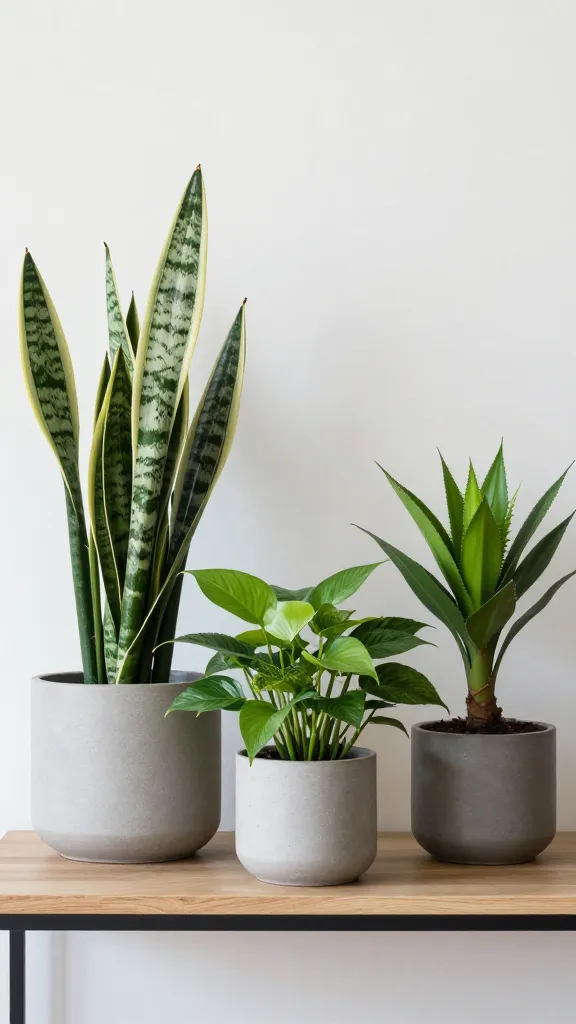
How to style shelves with houseplants for a modern look
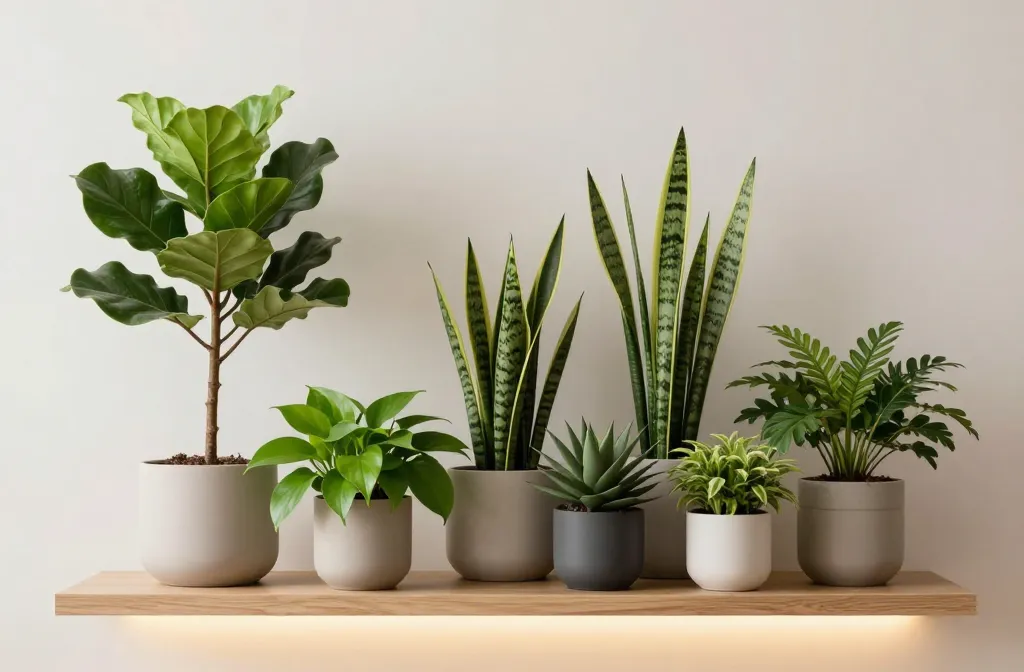
You want shelves that look intentional, alive, and a little stylish without shouting “interior designer.” The secret: plants. They’re the drama-free way to add depth, texture, and personality to any shelf. Let’s dive into how to style shelves with houseplants for a modern look—without overthinking it.
Start with a clean palette: plan before you plant
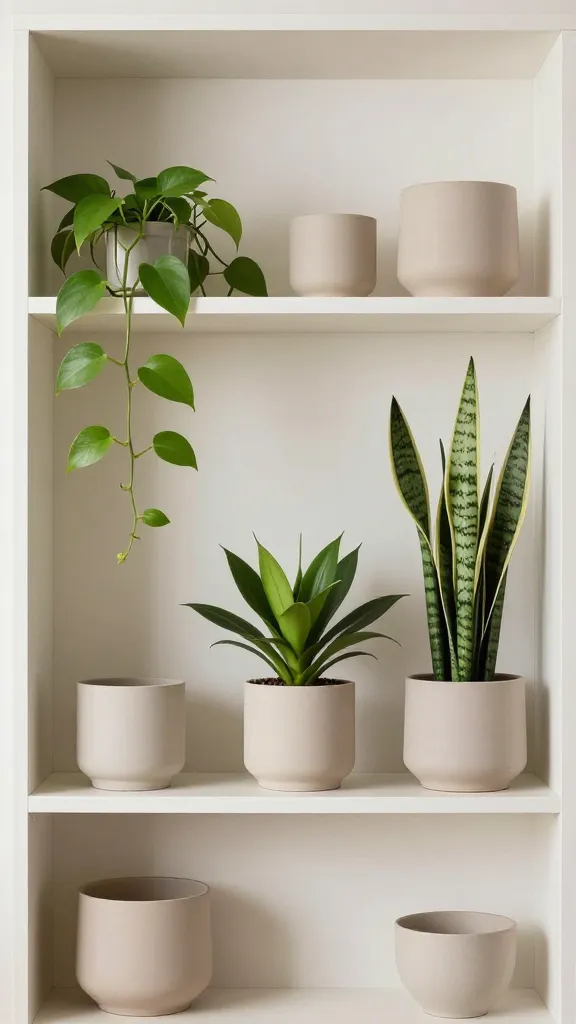
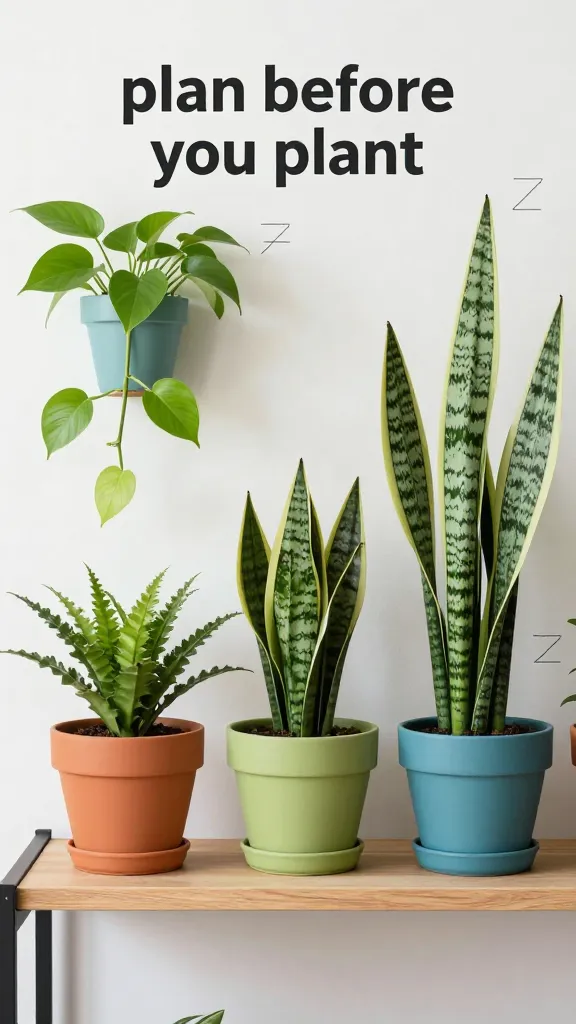
Ask yourself: what vibe am I going for? Minimalist, tropical, monochrome, or a bold jungle vibe? Your answer guides plant choices and how you arrange them. A simple rule of thumb: choose two to three plant types and stick to a color story that matches your room.
– Pick sturdy, low-maintenance plants for easy wins: pothos, snake plants, ZZ plants.
– Add one statement plant with a sculptural silhouette to anchor the shelf.
– Keep pots cohesive in color or texture to prevent chaos.
If you’re unsure, start with a neutral pot and swap in a bold planter later. FYI, you don’t need a dozen different pots to nail this look.
Vary heights and shapes for instant depth
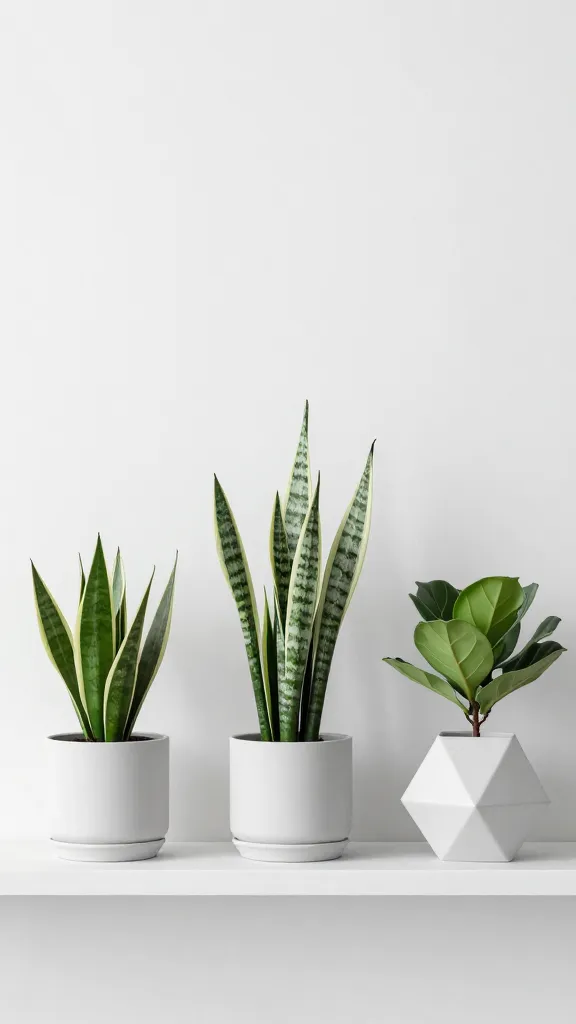
Flat shelves can feel a bit “blah” if everything sits at the same height. Layering is your friend.
- Place taller plants at the ends or corners to frame the shelf.
- Layer smaller plants in front of taller ones to create depth.
- Use hanging plants or trailing vines to add vertical interest without crowding shelves.
Tips for height variety
– Use plant stands or bookends to raise certain pots a few inches.
– Place a sculptural plant—like a tall snake plant—in a basket to add texture.
– If you have a deep shelf, push a mid-sized plant back and a small one forward for a zigzag pattern.
Create trio arrangements that feel balanced
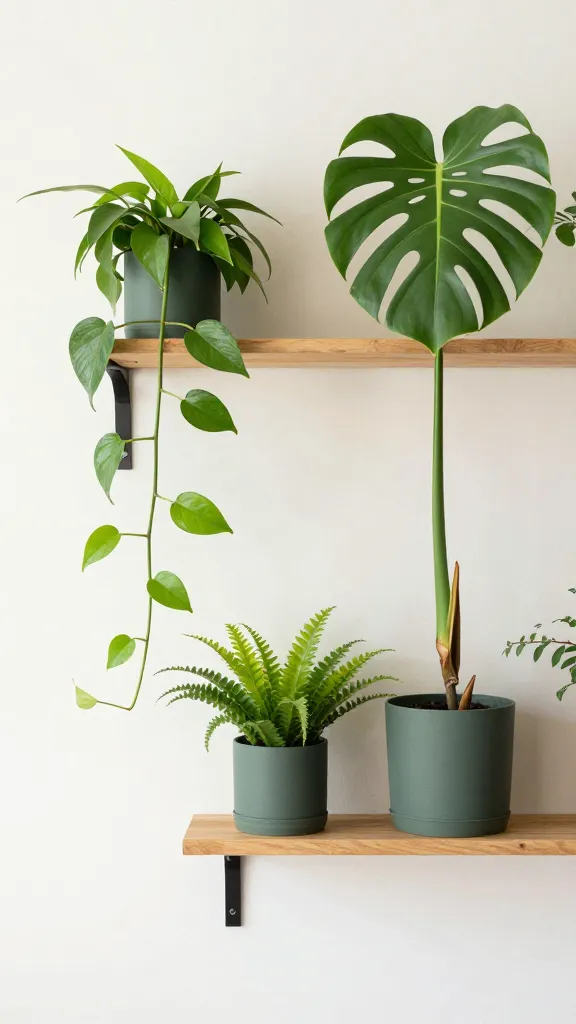
Humans love groups of three. It’s nature’s layout for a reason. When you cluster plants, your shelf instantly reads as curated rather than chaotic.
- Build micro-trios: one tall, one mid, one small—repeat along the shelf.
- Mix leaf textures: glossy pothos, fuzzy fittonia, and architectural monstera leaf all in one cluster.
- Use a unifying element—same pot color, same plant family, or a shared watering schedule—to keep it cohesive.
Optional: add a decorative anchor
Choose one anchor plant with a bold silhouette (think monstera, fiddle leaf fig, or a dramatic rubber tree). Place it where the eye lands first, then fill in with the supporting cast.
Potity matters: texture, color, and cohesion
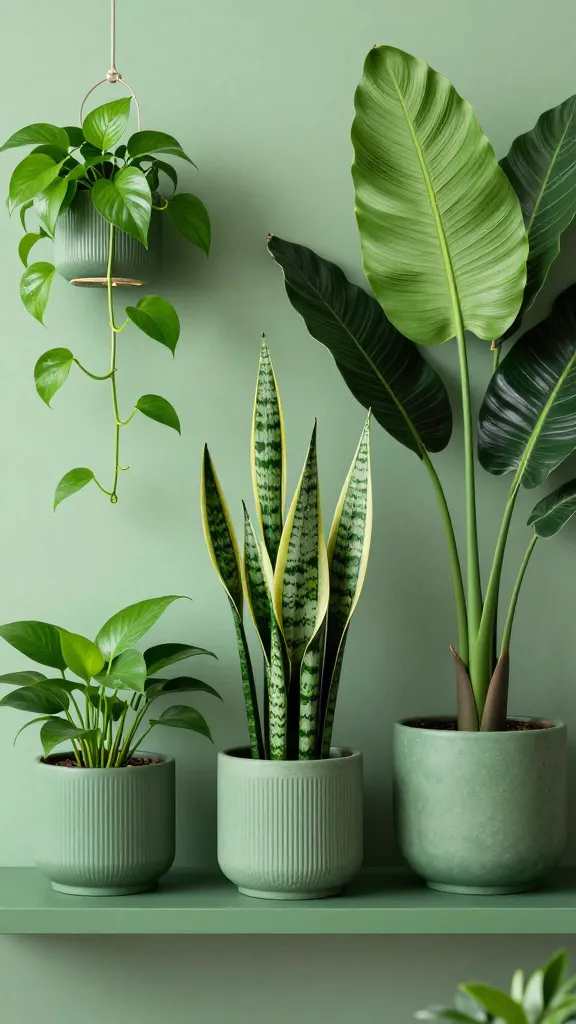
Your pots do more than hold soil—they set the tone. Color and texture can tie the entire shelf together or subtly pop for contrast.
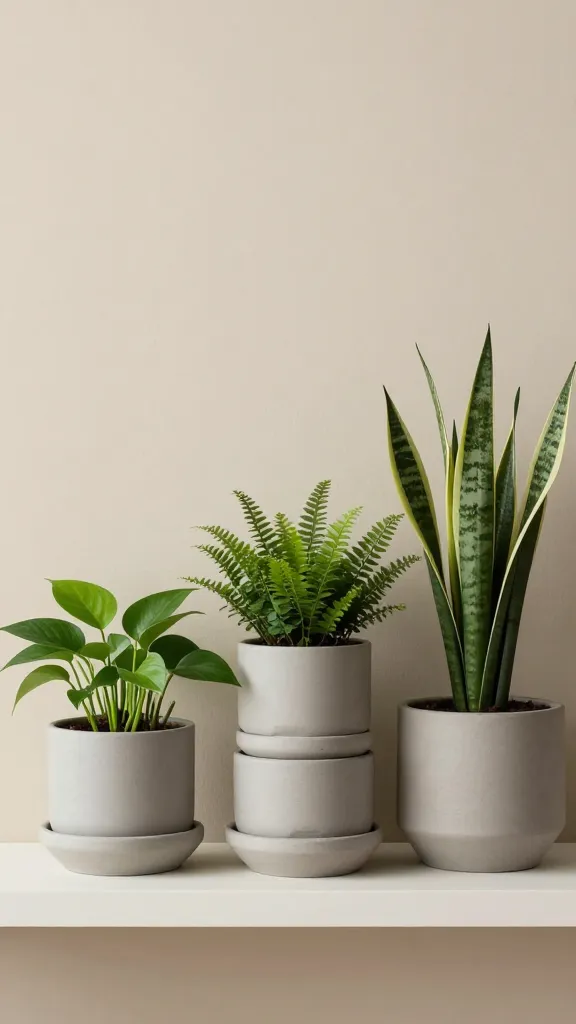
- Stick to 2–3 pot finishes max (matte ceramic, terracotta, or concrete work nicely together).
- Vary textures but keep a common thread: similar height or diameter.
- Consider drainage: elevated pots or trays prevent damp misery.
Pot pairing ideas
– White ceramic pots with a matte finish paired with a few warm terracotta accents for an earthy, modern look.
– Black or charcoal planters in different textures (matte, ribbed, smooth) feel sleek and cohesive.
– A woven basket for one trailing plant adds warmth and a touch of nature without shouting.
Trail, tuck, and tease: the art of spacing
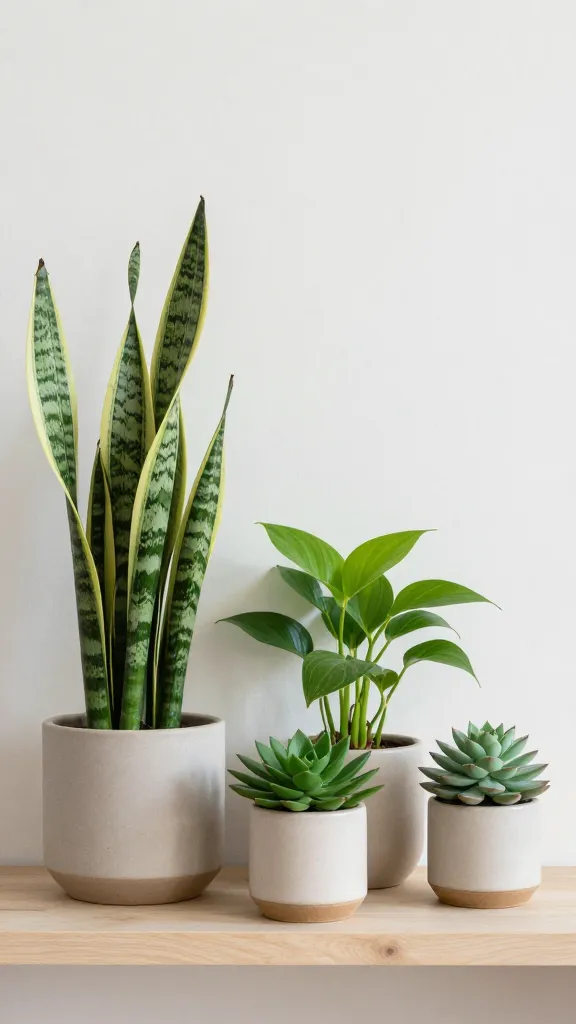
A shelf isn’t a plant graveyard; it’s a living display. How you space plants matters almost as much as which plants you pick.
- Leave breathing room: don’t cram every inch with foliage. White space is your friend.
- Use depth cues: place a plant slightly in front of a stack of books or a framed photo to create layers.
- Rotate seasonally: move things around every few months to refresh without buying more.
For tiny shelves
Try a staggered arrangement: a tall plant on one end, a medium plant in the middle, and a small one toward the front. Add a trailing vine that drapes along the edge. Boom—visual interest in a compact space.
Lighting reality check: what you actually need
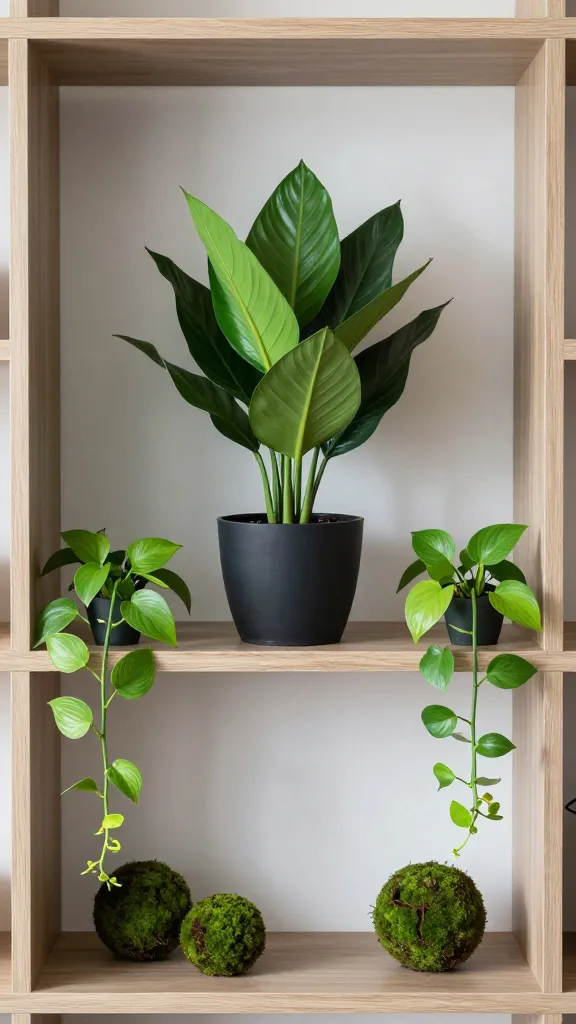
Plants deserve light, not excuses. If you’re short on sun, you can make your shelves work with the right picks and some clever placement.
- Bright indirect light is ideal for most modern-styled shelves.
- If your shelf faces a dim corner, opt for low-light champions: ZZ plant, snake plant, pothos, philodendron.
- Consider a couple of artificial light options if natural light is scarce.
Low-light plant care quick dos
– Rotate plants every couple of weeks so all sides get a chance at the light.
– Wipe dust off leaves occasionally to keep photosynthesis humming.
– Check soil moisture more often in dry rooms; lights don’t replace water.
Green accents that feel modern, not matchy-matchy

Modern styling loves clean lines and a calm palette. Plants add life without clashing—if you steer with intent.
- Choose leaf shapes that contrast with shelving edges—round leaves soften sharp corners, while spiky leaves add architectural vibe.
- Limit the color punch to a couple of plant types with unique greens or variegation.
- Incorporate one or two statement planters with bold shapes to anchor the look.
A quick plan to avoid clutter
– Line the back with a row of uniform planters in the same height.
– Place one standout plant in the foreground to act as a focal point.
– Keep the rest at varying heights but within a similar width range to maintain order.
Maintenance without losing the charm
If style is your goal, maintenance should feel doable. Plants thrive on routine more than magic.
- Water on a schedule that suits each plant type; overwatering is the enemy of modern shelves.
- Clean leaves to keep light absorption high and pests away. A quick wipe with a damp cloth does wonders.
- Dust-free shelves help you notice when a plant is off—watch for droop, yellowing, or slowed growth.
When to prune and reposition
– Prune leggy growth to keep plants compact and shelf-friendly.
– Re-pot if roots start circling the pot or growth slows noticeably.
– If a plant stops thriving, it’s okay to retire it to a better spot and swap in a fresher one.
FAQ
Do I need to water plants every day on a shelf?
Nope. Most houseplants prefer their soil to dry out a bit between waterings. Check the top inch of soil; if it’s dry, that’s a good time to water. Overwatering is a common pitfall, especially on shelves where humidity can linger but light might be inconsistent.
What if I have kids or pets?
Choose non-toxic varieties when possible and place any potentially dangerous plants out of reach or on higher shelves. Even non-toxic plants can cause an upset stomach if ingested, so keep things accessible but safe. FYI, cordoning off a corner with a short wall or using wall-mounted planters can help both style and safety.
How many plants should I start with?
Start with 3–5 and build from there. If you’re new to plants, pick one tall statement plant, one trailing plant, and one compact plant. This gives you immediate visual interest without overwhelming you or your space.
Can I use real plants if I love a sleek, modern shelf?
Absolutely. Real plants bring life that fake ones can’t replicate. Just be honest about the light and your commitment. If you know you’ll forget to water, choose hardy options or consider smart self-watering pots.
How do I keep the look cohesive if I rotate plants?
Keep a small set of pot colors and finishes you love. When you rotate, match the new plant’s pot to one of those options. It makes swapping feel intentional, not random.
Conclusion