Master Kitchen Shelves: How to Style Kitchen Shelves Like a Pro for a Clutter-Free Look
The shelves in your kitchen can be the stage for your personality—if you line them up right, they vanish into a polished, clutter-free vibe instead of shouting for attention. Let’s ditch the chaos and give those spaces a pro-level glow you can actually maintain. FYI, a little strategy goes a long way.
Start with a simple game plan
Hunting for styling tips without a plan is like cooking without a recipe—chaos, chaos everywhere. Begin with a quick audit:
- Measure each shelf so you know what can actually fit.
- Decide on a vibe: warm farmhouse, sleek modern, or airy minimal.
- Pick a color story and a few textures to carry through.
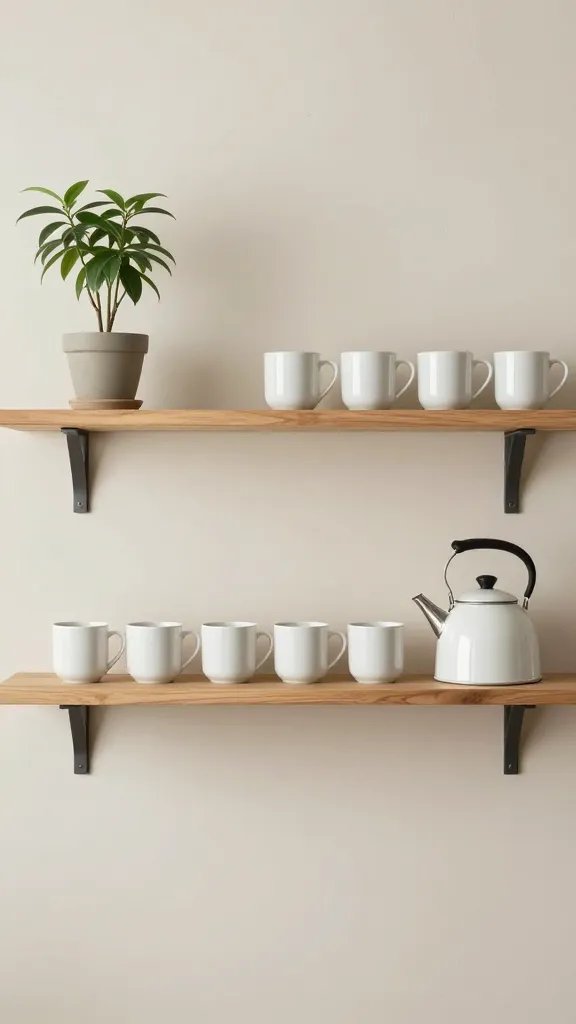
If you know your nonnegotiables (a hot kettle, a favorite mug, a plant that won’t die in a week), you’ve already got your anchor pieces. From there, you blend in supporting items. Simple. Purposeful. Done.
Create balance with a clean foundation
A great shelf starts with a baseline that feels tidy. Think of this like clothes: you don’t want every item shouting for attention at once.
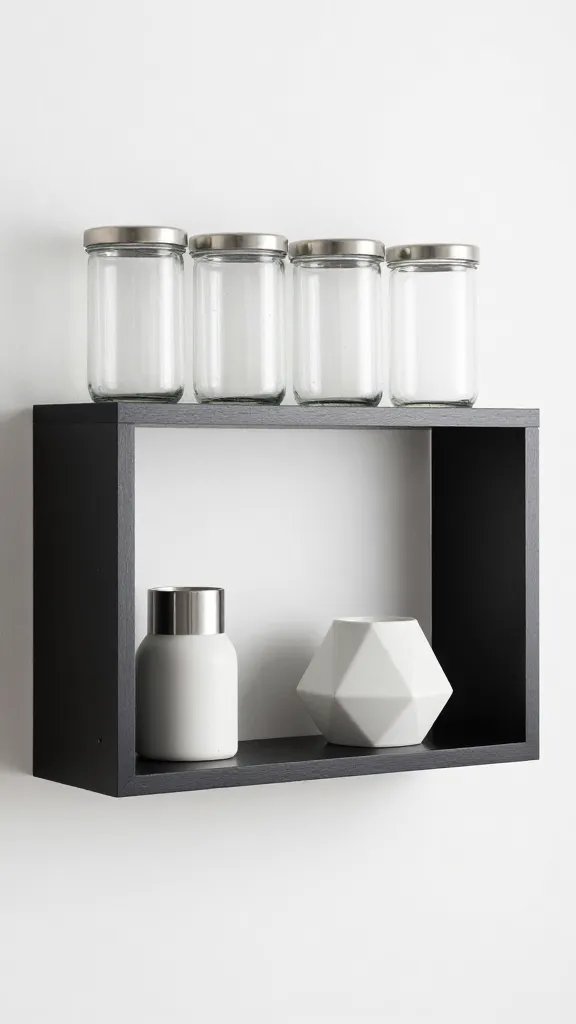
- Start with 2–3 “anchor” items per shelf—think a tall vase, a stack of cookbooks, and a ceramic jar.
- Layer heights: mix tall, medium, and short pieces to create visual rhythm.
- Leave breathing room. If a shelf looks crowded, pare back by 20% and see how it feels.
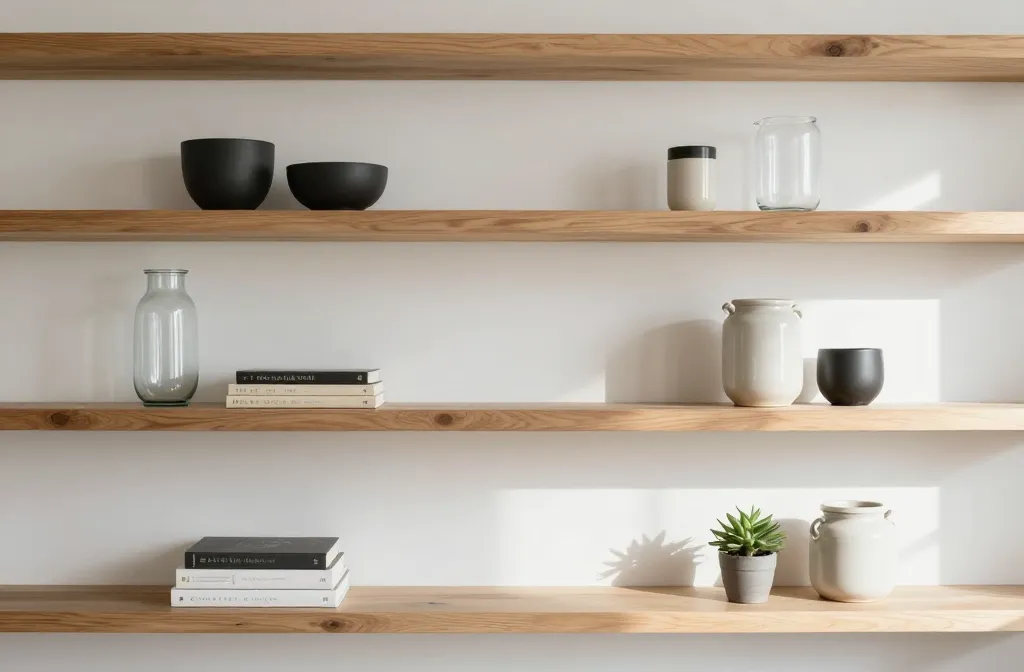
Natural wood tones, matte blacks, or glass elements often read as clean and timeless. If you’re overwhelmed, go monochrome for a calm base and add personality with a single pop of color.
Group like a pro: clusters that tell a story
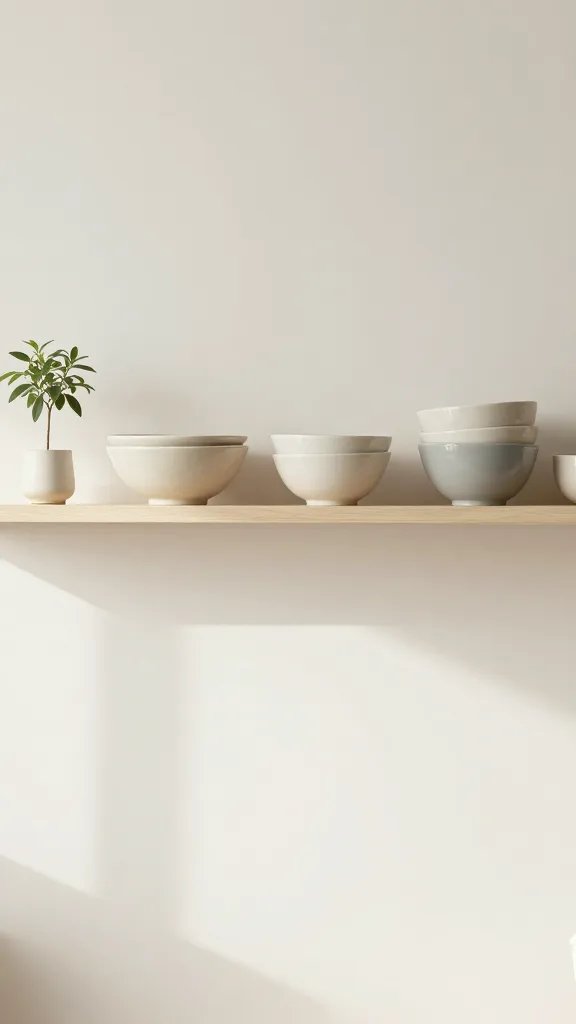
Humans love stories, even on shelves. Group items in clusters to create momentum and ease of viewing.
- Arrange in odd numbers—3s and 5s feel more curated than even piles.
- Mix textures within each cluster: a ceramic vessel, a glass jar, and a wooden block can feel cohesive yet interesting.
- Balance color across the shelf. If one cluster is dark, pair it with a lighter cluster nearby.
Pro tip: don’t stack items haphazardly. Use a riser to create vertical interest and keep surfaces accessible for everyday use.
Show off practical beauty: keep the kitchen usable
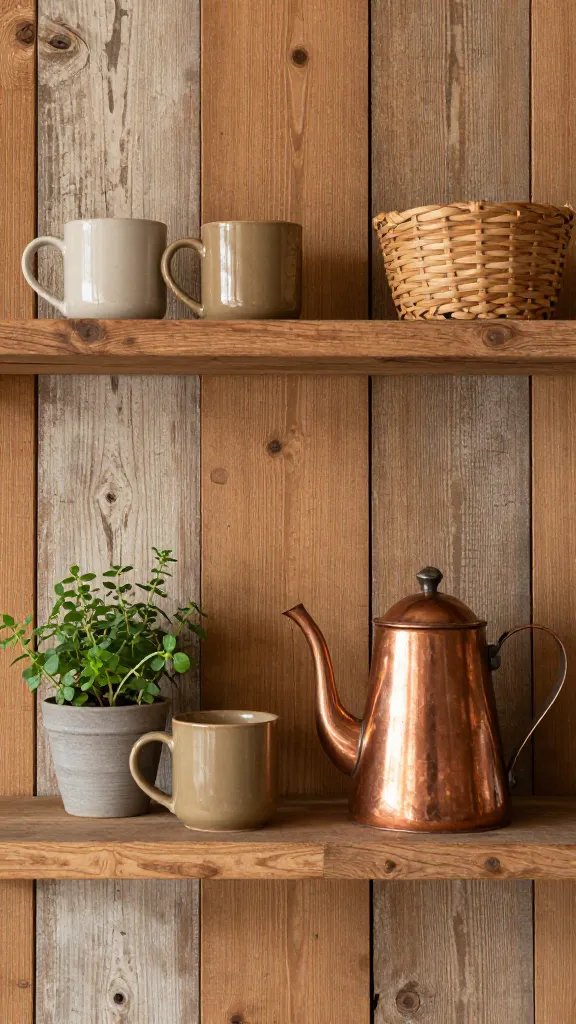
A pro shelf isn’t just pretty; it earns its keep. You want things that are both stylish and functional.
- Keep the daily stuff within reach: mugs, bowls, a favorite jar of pasta shapes.
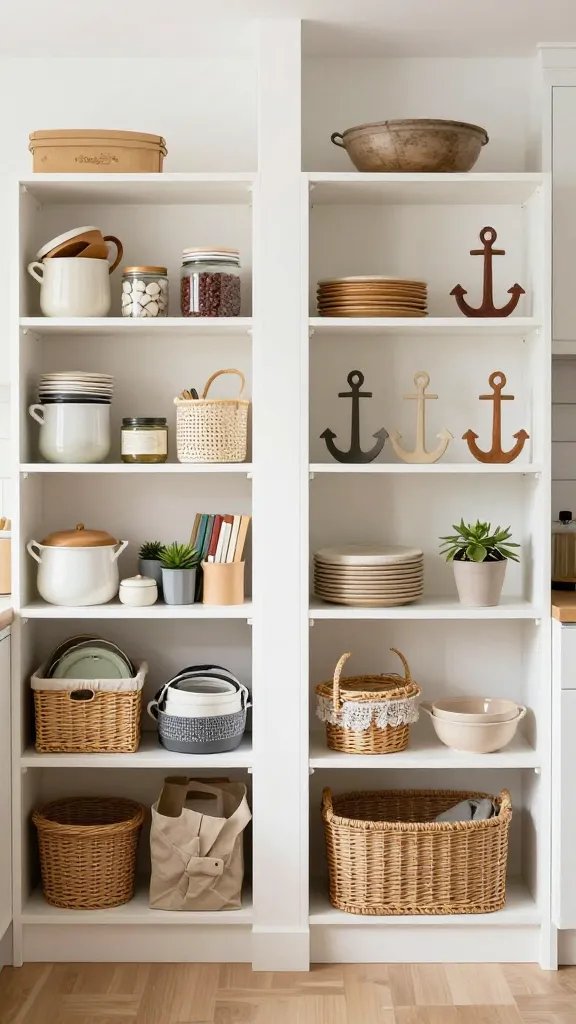
- Hide the rest in baskets or decorative boxes to maintain a clean silhouette.
- Place heavy items on lower shelves for stability and easy grabbing. You’ll thank yourself during a busy morning.
If you’re tempted to go ultra-minimal, add a single statement piece (a quirky teapot or a bold sculptural vase) to remind you shelves aren’t just storage cabinets—they’re design features.
Texture, color, and the power of negative space
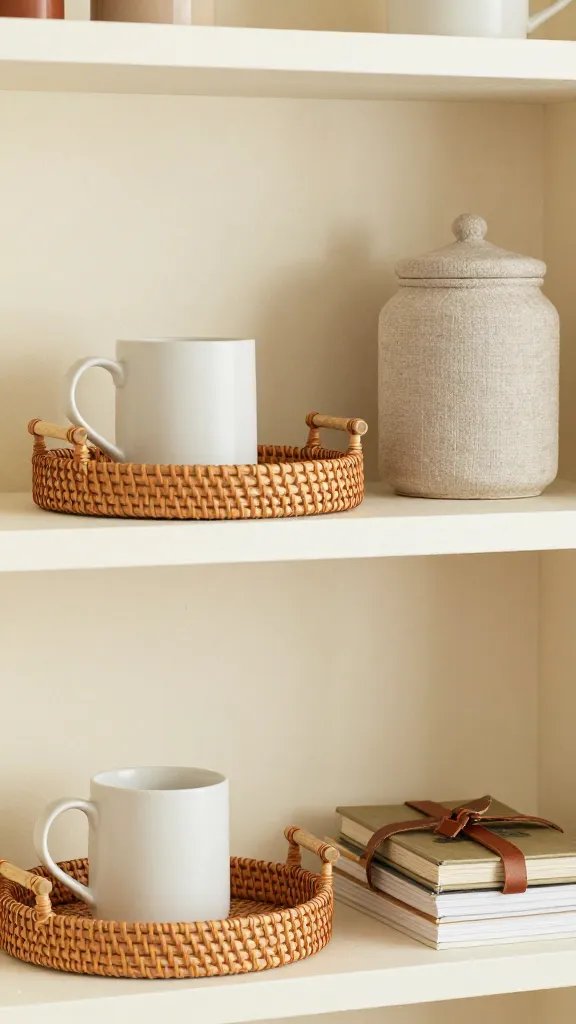
Texture and color are your best friends for depth. Don’t underestimate the power of air around objects.
Texture play
- Combine matte and gloss to avoid flatness: a matte mug next to a glossy jar can look intentional rather than bland.
- Incorporate natural materials: wood, ceramic, woven baskets, and a touch of greenery.
Color storytelling
- Limit your palette to 2–4 colors. A restrained palette reads calm and professional.
- Use color as a bookmark: a single pop of color can anchor a cluster and guide the eye.
Negative space matters
- Leave a little gap around a standout piece so it can breathe.
- A blank space isn’t wasted—it’s a moment of rest for the eye.
Light it up: illumination that helps the gaze
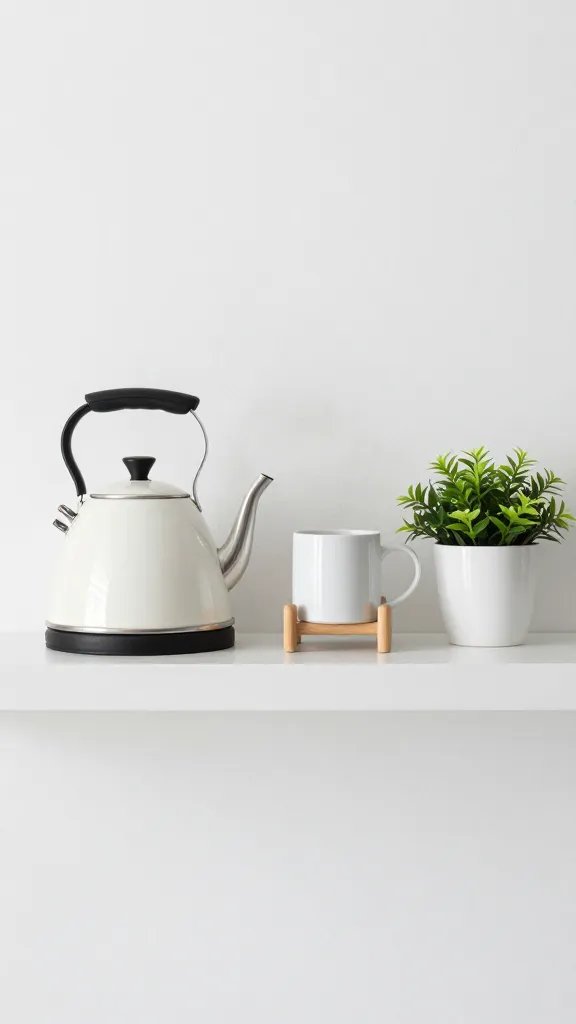
Lighting isn’t just for the living room. Subtle LED strips or a small shelf lamp can transform a cluttered look into a curated one.
- LED strip lights tucked under cabinet edges create a soft glow without glare.
- A small, warm-toned lamp on a shelf can spotlight your favorite pieces.
- A timer or smart bulb makes it easy to keep shelves looking intentional even on busy mornings.
FYI, lighting is what makes the texture and color feel intentional rather than accidental. If your kitchen already has great light, focus on shadows and how they break up the surface.
Maintenance without the fuss: easy rules to live by
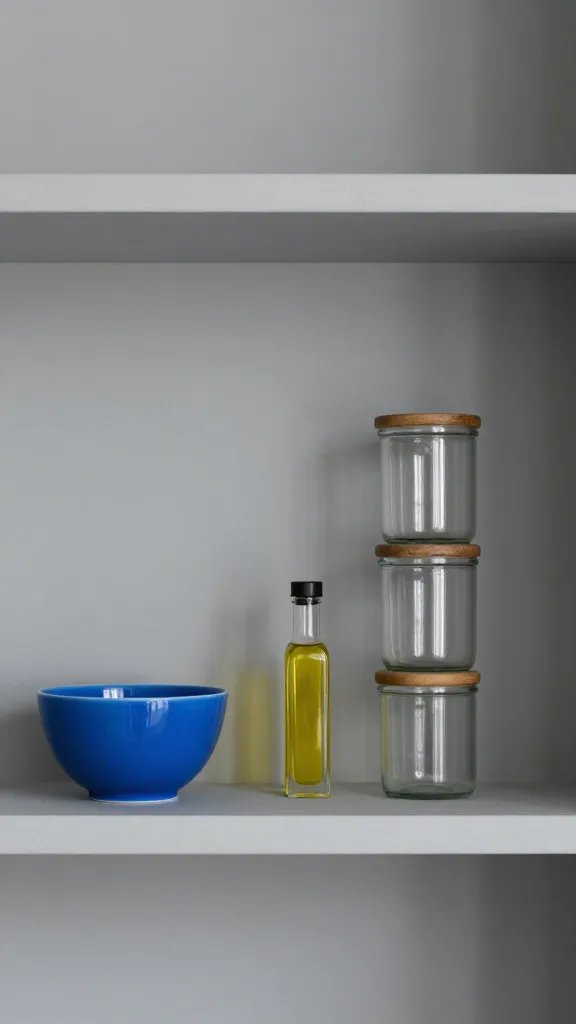
A pro look stays fresh if you keep a simple routine.
- Do a 5-minute shelf reset weekly: swap one piece, adjust a cluster, and tidy the rest.
- Wipe surfaces regularly to prevent dust from turning chic shelves into dust-bunnies heaven.
- Rotate seasonal items so you’re not stuck with the same setup forever.
A little upkeep goes a long way. The goal is to do enough that the shelves stay polished, not so much that you dread tidying them.
Putting it all together: quick-start templates you can steal
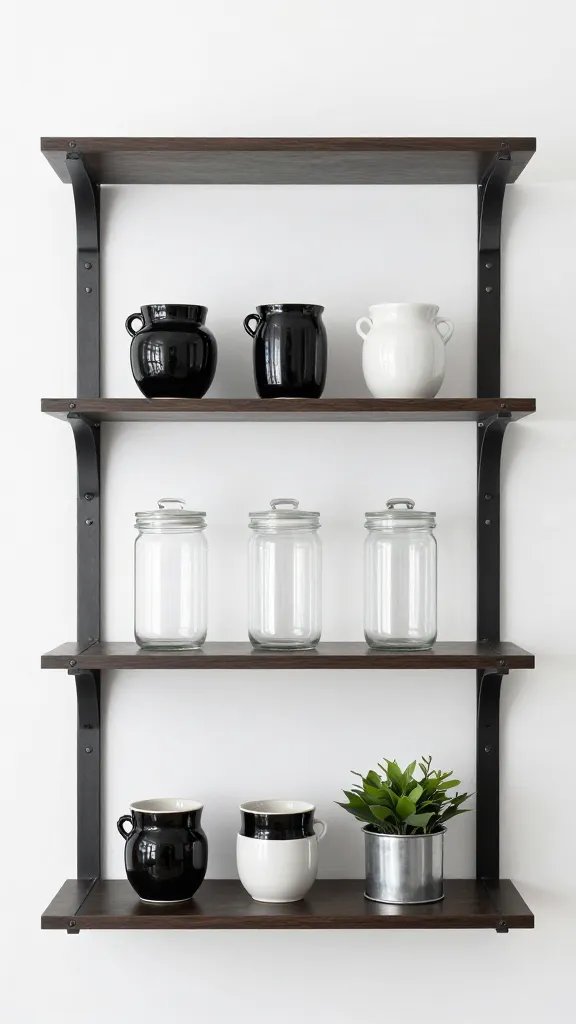
If you’re itching to act, here are two fast templates you can adapt tonight.
Template A: Calm and collected
- Anchor: a tall vase or jar
- Cluster 1: 3 stackable cookbooks + small ceramic piece
- Cluster 2: a plant in a woven pot, plus a glass jar of coffee beans
- Accent: a single bold mug or colorful teapot
Template B: Warm and cozy
- Anchor: a wooden box or crate
- Cluster 1: mugs on a small rack, with a clay bowl
- Cluster 2: a stack of bowls with a soft textile underneath
- Accent: a seasonal sprig or dried flower arrangement
FAQ
How often should I refresh shelf styling?
Aim for a light refresh every 4–6 weeks if you love changing things up. If you’d rather keep things stable, do a bigger reset every season. FYI, you’ll start noticing what feels “off” long before you can name it, so trust your instincts.
What if my shelves are open to the rest of the room?
Balance is key. Tie the shelf styling to the room by repeating a color or texture from adjacent surfaces. This creates cohesion so the shelves don’t look like a random stash of goodies.
How do I prevent my kitchen shelves from looking cluttered?
Use the 2–3 anchor rule per shelf, keep clusters small (3–5 items), and leave breathing room. If something doesn’t serve a purpose or bring joy, tuck it away.
Can plants survive on kitchen shelves?
Absolutely. Choose low-maintenance plants with forgiving light needs, like pothos, snake plants, or small succulents. Place them where they’ll get a bit of indirect light and rotate as needed to keep them thriving.
What about glassware and mugs—should they be hidden or displayed?
Display a curated selection of favorites, and hide the rest in boxes or drawers. A few visible pieces can act as decor anchors, while a clean, organized stash prevents visual overload.
Conclusion