
17 DIY Mud Kitchen Ideas for Kids Backyard Décor– Stylish & Fun Outdoor Play Spaces
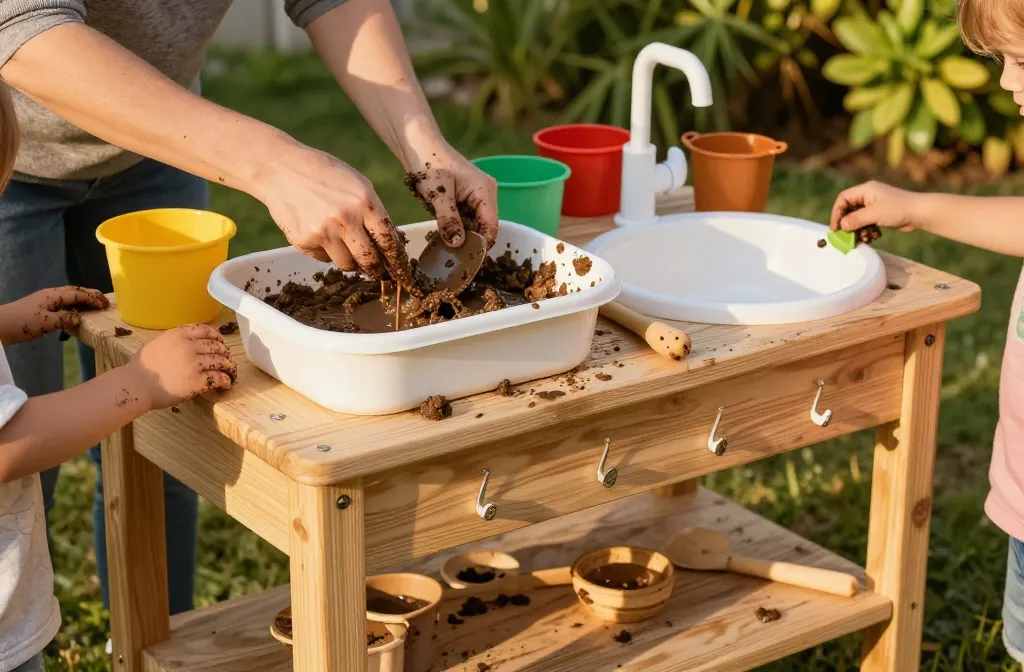
I’m not kidding when I say mud kitchens are summer sanity in a box. They spark creativity, wipe boredom, and somehow turn a messy backyard into a mini food-network set. Ready to dive into 17 DIY ideas that will have kids muddy and smiling? Let’s get our hands dirty.
Bring creativity and charm to your backyard with these DIY mud kitchen ideas for kids backyard décor, perfect for playful and visually appealing outdoor spaces.
1. Classic Wooden Mud Kitchen on a Budget
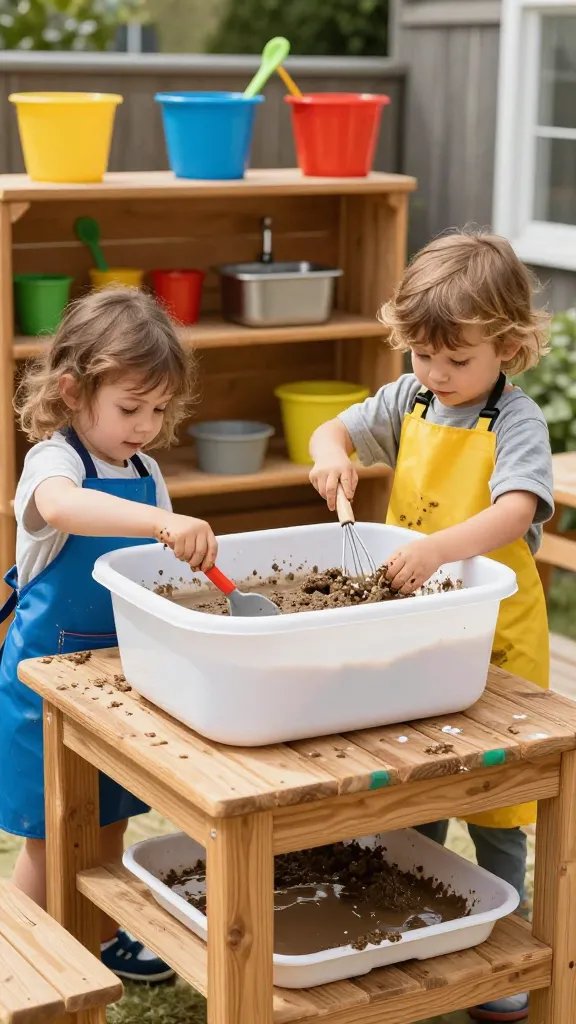
You can’t beat a sturdy wooden setup for authenticity. Grab a sturdy table, a tub, and some outdoor-safe paint. The goal is easy cleanup and lasting durability, not a DIY.fail montage. FYI, seal gaps to keep water from sneaking underneath.
Why it works
– Easy to customize with pots, scoops, and a sink station.
– Low cost if you reuse pallets or scrap wood.
– Realistic kitchen vibes that invite pretend play.
Tips for longevity
– Use outdoor-safe sealant and weatherproof paint.
– Elevate the workspace with a shelf and hooks for utensils.
– Put a tray under the tub to catch drips and reduce soil sprawl.
2. Elevated Countertop Mud Kitchen
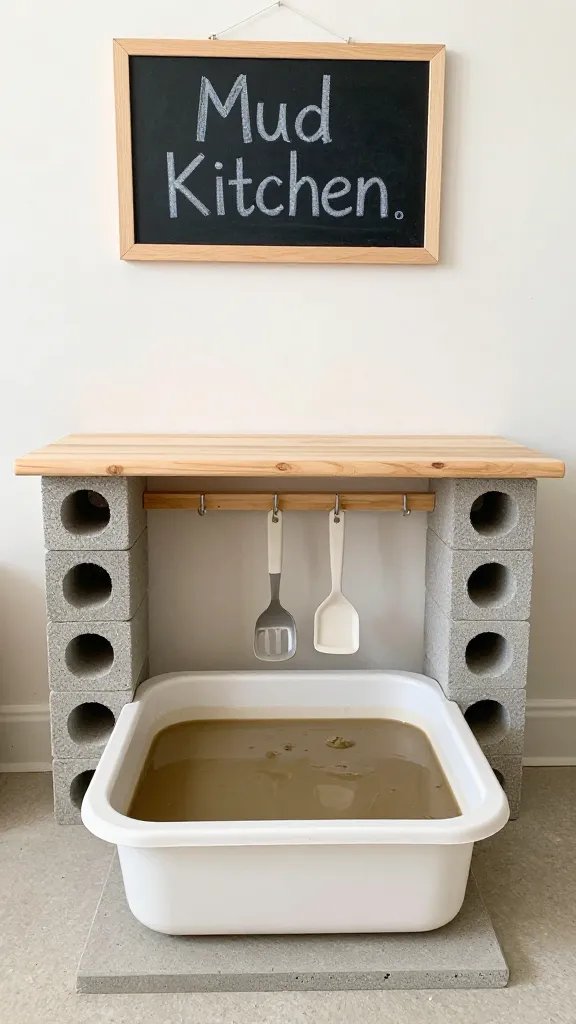
If bending over isn’t your thing, build an elevated station. A kid-friendly counter height means faster play sessions and fewer backsaches for you. It also looks super cute in a sunny corner.
- Use a sturdy crate or a cheap cabinet as the base.
- Attach a plastic tub or trough for dirt and water.
- Leave space for a small sink or pretend faucet if you’re feeling fancy.
Practical setup hacks
– Add a removable tray under the sink for quick drainage cleanup.
– Keep a small towel rack within reach for those dramatic mud-drenched moments.
– Label bins with simple drawings so kids can “shop” without chaos.
3. The Mud Pit with a Splash Zone
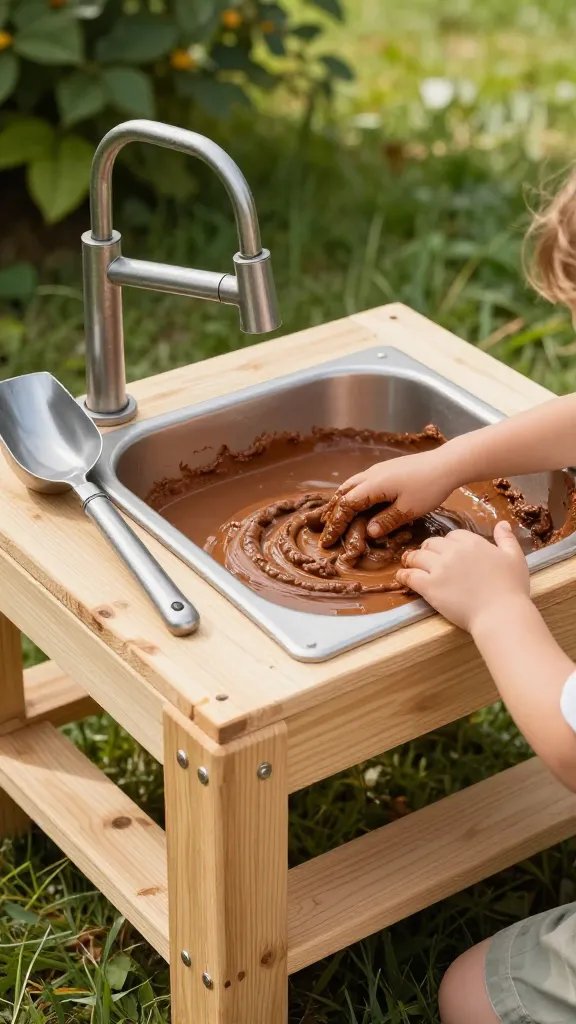
Let kids dive in with a dedicated mud pit and a separate splash zone for water play. Two zones cut down on cross-contamination and chaos. It also makes cleanup a two-step routine instead of a full scene-stealer.
- Line the mud pit with thick tarp for easy washing.
- Pair with a shallow water tub and a couple of funnels.
- Include scoops, ladles, and little molds for “recipes.”
Key accessories
– A hand sprayer on a low setting for quick rinses.
– Reusable wipes or microfiber cloths for quick mops.
– A small chalkboard sign for “menu of the day.”
4. Natural Materials Mud Kitchen
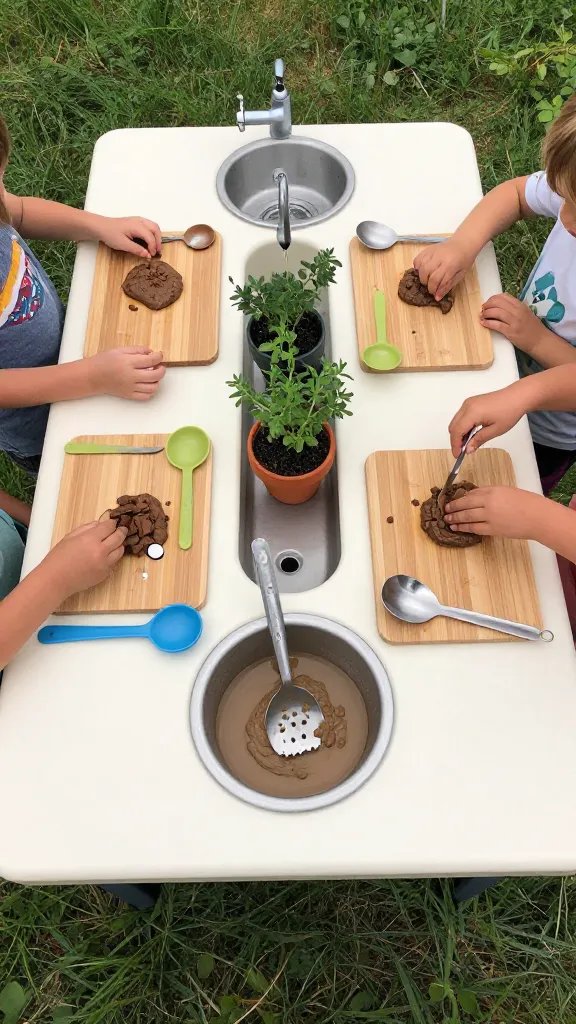
Going natural is chic and forgiving. Use a log slice as the “cutting board,” a hollowed-out log as a spice jar, and twine for a rustic apron. It feels earthy, looks insta-worthy, and still gives kids all the pretendplay fuel they crave.
How to pull it off
– Collect clean, dry sticks and pinecones for “ingredients.”
– Sand rough edges on wood pieces and seal with outdoor-safe oil.
– Use clay or sand as “flour” for sensory texture.
5. Mini Market Station
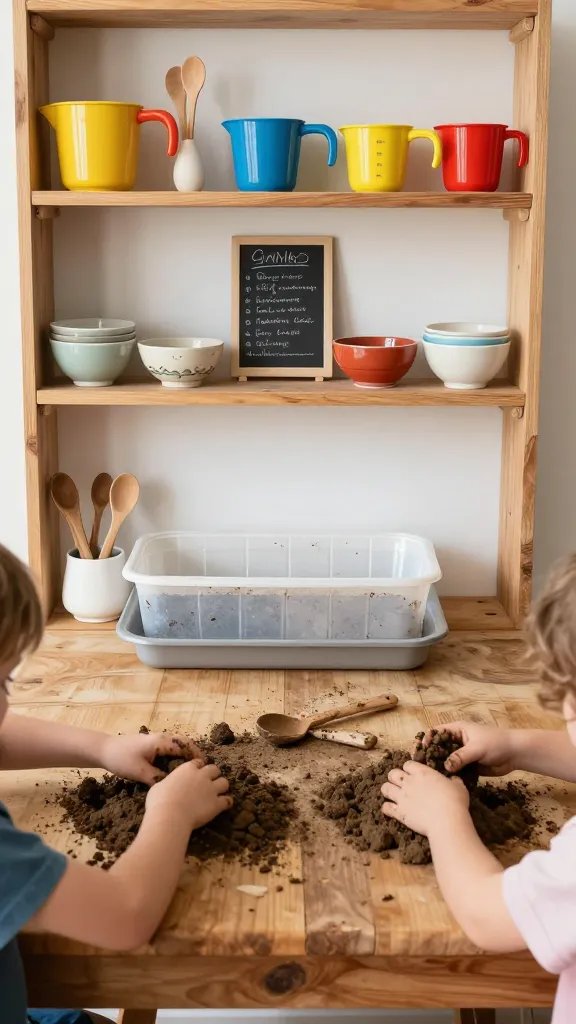
Turn mud into a mini bakery or market stand. Kids can “sell” dirt pies, muddy soup, and leaf “seasonings.” It’s a confidence booster and a sneaky math lesson all in one.
- Label jars with numbers for counting games.
- Use a small chalkboard price list for interaction.
- Provide aprons or old shirts as dress-up gear.
What to stock
– Mud, sand, and water mixes in separate bins.
– Small tools: scoops, spoons, cookie cutters.
– Compostable paper cups for “drinks” and “soups.”
6. Waterfall Mud Kitchen
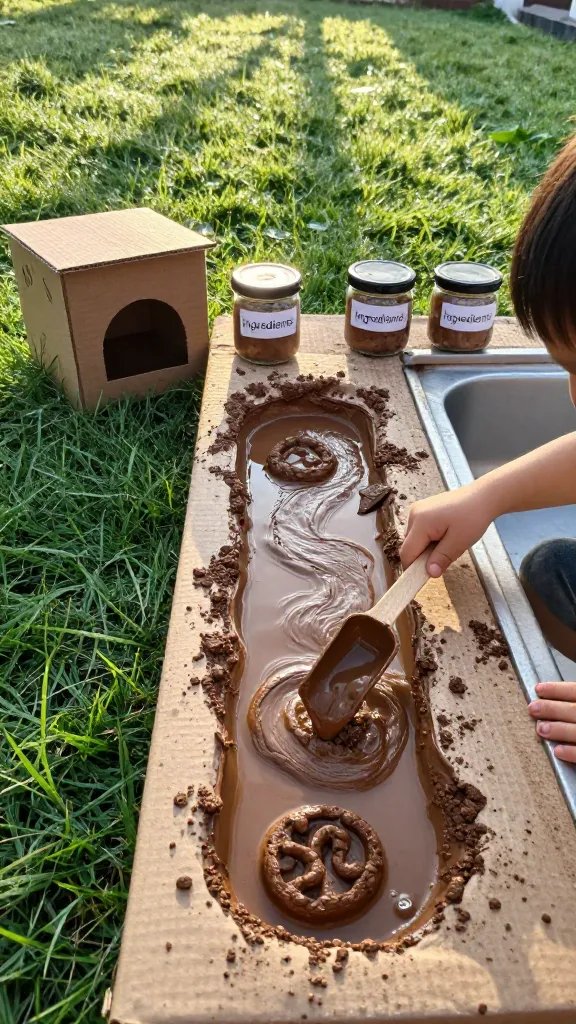
If your space allows, a tiny waterfall feature adds drama. A simple drip from a funnel into a wide tub makes splashy sounds and keeps things dynamic. Kids love hearing the water sing while they stir their mud recipes.
Setup notes
– Use a sturdy funnel and a wide-mouth tub to prevent spills.
– Add a barrier edge to catch stray mud on the floor.
– Keep towels handy for quick wipe-downs after the show ends.
7. Theme-Based Mud Kitchen Corner
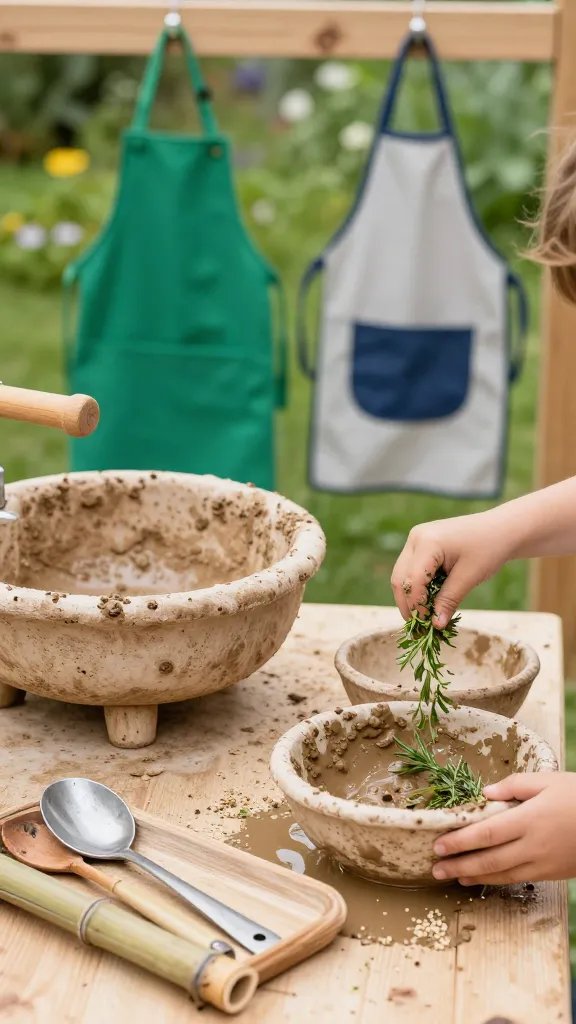
Themes keep play buns-lively: pirate mud, fairy garden mud, space mission mud, you name it. A cohesive theme sparks storytelling and props galore.
Theme ideas
– Pirate Cove: “Gold dust” (salt and glitter mix) and a treasure map menu.
– Fairy Garden: Flower petals as “seasoning” and leaf plates.
– Space Mission: Gray mud with “space rocks” (pebbles) and aluminum foil “silverware.”
8. DIY Sink Station with a Pump
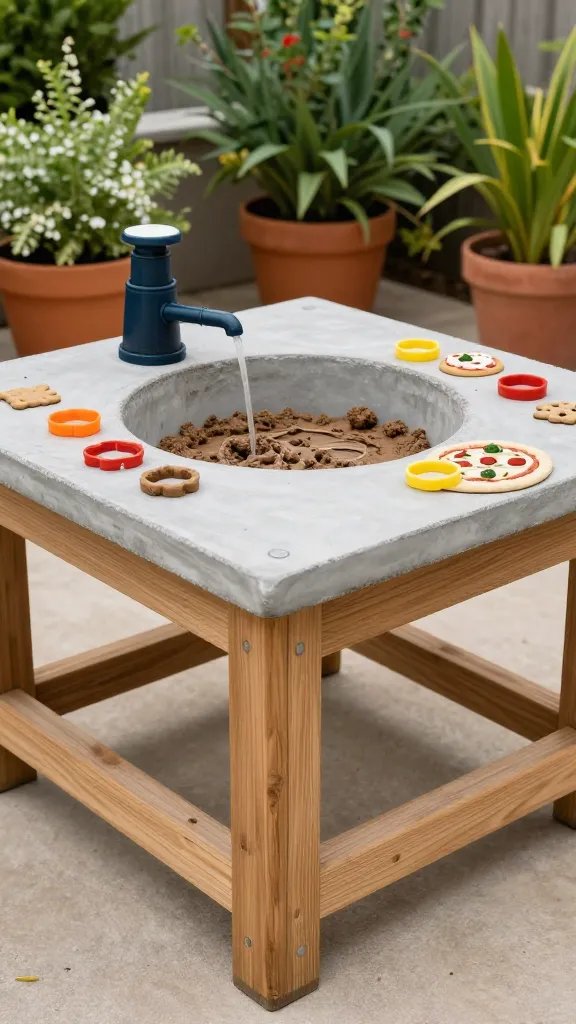
A pretend sink with a hand pump makes washing up feel legit. It’s surprisingly satisfying for kids and helps with cleanup discipline.
- Attach a gallon jug as the water reservoir.
- Use a bicycle pump or manual pump for a steady trickle.
- Hide the tubing behind a shelf to keep it tidy.
Maintenance tips
– Empty and rinse the reservoir after each play session.
– Replace muddy water daily to avoid sludgy build-up.
– Keep a brush handy for scrub-downs.
9. Mud Kitchen on Wheels
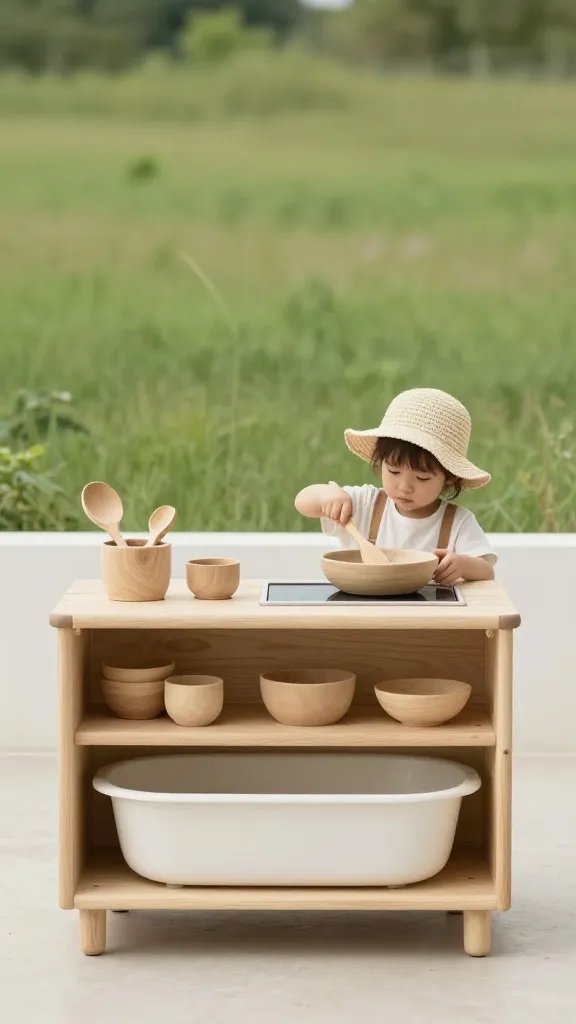
A portable mud kitchen means you can move play to the shade, the yard, or the park. Wheels add a wow factor and flexibility.
- Mount a tub on a two-wheeled cart.
- Secure the tub with straps to handle rough terrain.
- Include a fold-down shelf for quick tool storage.
10. Sensory-Rich Mud Kitchen
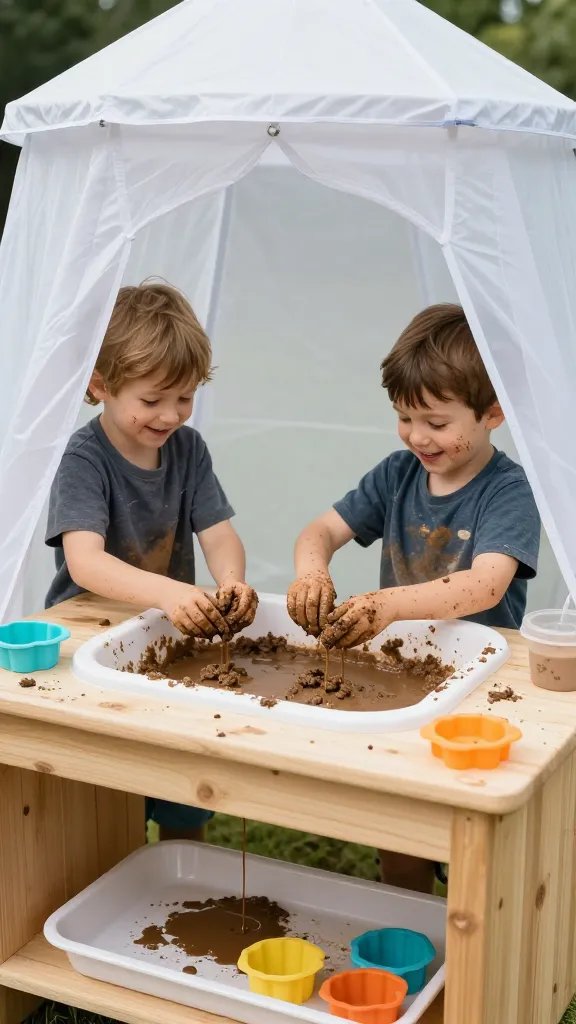
Add texture and scent with safe, edible-like spices (think cinnamon for scent, vanilla for a “taste” cue). You’re not feeding anyone, but the sensory experience is peak toddler energy burner.
Sensorial add-ons
– Scented sachets hidden in fabric pouches.
– Different mud textures: clay, sand, and peat moss.
– Colorful natural dyes or food coloring in small, sealed bottles.
11. Upcycled Pallet Kitchen
Pallets are the gift that keeps on giving. Sand the rough edges, stain or paint, and turn slats into shelving for utensils.
Safety notes
– Remove any protruding nails or splinters.
– Sand thoroughly and seal to reduce splinters.
– Use non-slip mats under the setup for safety.
12. Mud Kitchen with a Shade Canopy
Sun protection is non-negotiable in sunny climates. A canopy or shade sail turns mud play into a comfy, all-day activity without the heroics of sunburn.
- Choose breathable fabric to avoid trapping heat.
- Secure poles firmly into the ground.
- Ventilate to avoid overheating during peak sun.
13. Recycled-Ladle Cooking Studio
Recycle, reuse, and remix. Use old measuring cups, spoons, and tins for a charming “chef’s mealtime” vibe.
14. Garden-To-Mud Mash-Up
Let kids harvest from a small garden bed (leafy greens, herbs) and turn it into a muddy “soup.” It’s a mini ecosystem lesson wrapped in goofy fun.
15. Mud Kitchen Art Corner
Turn the mud kitchen into an art studio. Add washed stones, pigment-safe paints, and paintbrushes for muddy masterpieces.
16. Nighttime Glow Mud Kitchen
Glow-in-the-dark paint or glow sticks add magic after sundown. It’s the same messy joy with a sprinkle of wow factor.
Lighting tips
– Use a low-watt, outdoor-safe light to avoid glare.
– Ensure paths are clearly lit for safe navigation.
– Keep electronics away from water and mud.
17. Rainy Day Mud Indoors (Partly Safe Hacks)
If you’re stuck indoors, create a mini mud corner with a waterproof mat, a compact tub, and a tray for layering mud with safe, indoor-friendly textures.
Indoor safety checklist
– Place the setup on a washable surface.
– Use a splash guard to protect furniture.
– Keep a wipe-down routine and a change of clothes nearby.
FAQ
Is mud kitchen safe for toddlers?
Yes, with supervision and child-safe materials. Use non-toxic earth-friendly soils, seal wood, and ensure cleanable surfaces. Keep small parts out of reach to avoid choking hazards.
What age is best for mud kitchens?
Toddlers to early elementary kids benefit most. Supervised play evolves with age—older kids enjoy the recipe-building and story elements, while younger ones love scoops and textures.
How do I clean up after muddy play?
Have a dedicated mop, towels, and a rinse bucket ready. Let kids help with a quick “clean-as-you-go” routine. A tarp or mat underneath speeds up the cleanup and saves your soil.
What materials should I avoid?
Avoid treated lumber, heavy chemicals, or any materials that shed splinters. Use outdoor-safe sealants and non-toxic mixtures. And FYI, avoid real food contact with mud—stick to pretend food props.
How can I keep it interesting long-term?
Rotate props, themes, and textures weekly. Introduce a “recipe book” with simple mud recipes and challenge kids to invent something new. A little variety goes a long way to stave off boredom.
Conclusion
Mud kitchens are more than messy play—they’re a frontline pass to creativity, sensory exploration, and outdoor bravery. With these 17 ideas, you’ve got plenty of blueprints to adapt to your space, budget, and kid’s vibe. So grab a scoop, a splash of water, and see what deliciously muddy magic unfolds. Ready, set, squelch!