
10 Cleaning Tips for Stubborn Stains at Home: Quick Wins
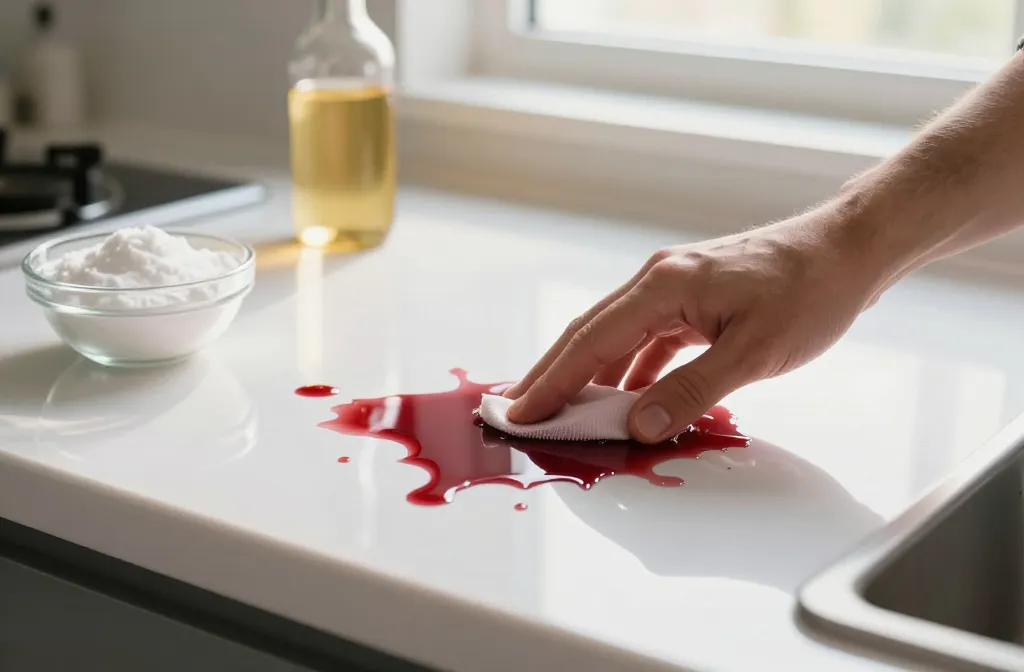
Smudge disasters happen to the best of us. You spill red wine, you sneeze on a white sofa, you discover mystery stains on a favorite shirt. It’s infuriating, but it’s not the end of the world. Let’s tackle stubborn stains like a pro—without turning your entire weekend into a cleaning montage.
Cleaning tips for stubborn stains make it easy to remove tough messes and restore your surfaces without stress.
1) Know your stain enemy: quick assessment basics
Stains aren’t all created equal. Some are oil-based, some are water-based, and some are just drama in liquid form. Before you reach for a random cleaner, ask these quick questions: Is it organic (like coffee, wine, juice) or inorganic (like rust, ink)? How long has it sat there? What fabric or surface are we dealing with? IMO, a minute of diagnosis saves you hours of scrubbing later.
Rule of thumb: test cleaners in an inconspicuous spot first. If the fabric fades, you’ve found your villain’s weak spot. FYI, blot, don’t rub—rubbing can push the stain deeper and spread the heartbreak.
2) Oil-based stains: the grease-fighter playbook
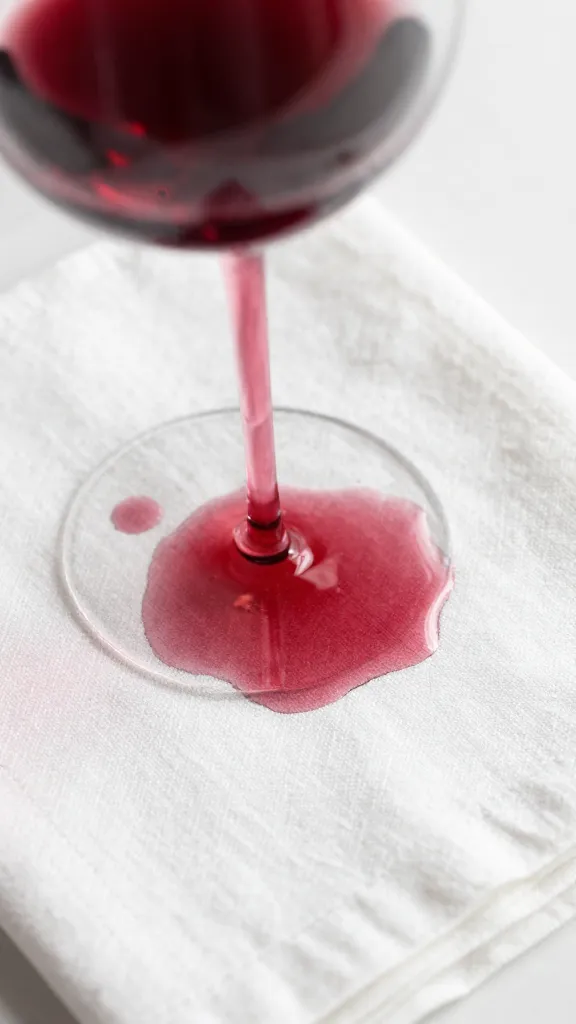
Oil loves to hide in fabrics and countertops, but it’s not invincible. Here’s how to beat it.
- Dish soap power: Apply a small amount to the stain, gently work it in with your fingers, then rinse. This is the classic drill sergeant for grease.
- Baking soda or cornstarch as a first aid: Sprinkle, wait 15 minutes, brush away, then proceed as usual. It soaks up the oil like a sponge that actually cares.
- Carb/fragrance-free solvents for stubborn spots on hardy fabrics, but test first. If you’re unsure, skip this step—safety first, joy later.
When to grab the big guns
If the stain sticks around after two rounds, you might need a dedicated stain remover. Follow the product’s directions, and keep heat away until the stain is fully gone (heat can set it like glue).
3) Water-based stains: wine, coffee, and the crowd-pleasing messes
Water-based stains are usually easier, but they can be sneaky. Freshness matters.
- Cold rinse and blot: Rinse with cold water from the back of the fabric to push the stain out, then blot with a clean cloth. Don’t rub—let gravity do the hard work.
- Liquid detergent boost: A drop of detergent on the spot, a little agitation, and a rinse can do wonders. But avoid over-wetting delicate fabrics.
- ACV trick for stubborn coffee: If the stain lingers, mix a splash of white vinegar with water and dab gently. Rinse again. It’s not magic, but it’s close.
Steam or heat? Not always your friend
Heat can set water-based stains. If the garment has a “do not heat” tag, skip the hot iron and air-dry instead. FYI, a cool iron after the stain is fully gone can help flatten out any lingering wrinkles.
4) Color-safe tips that actually work
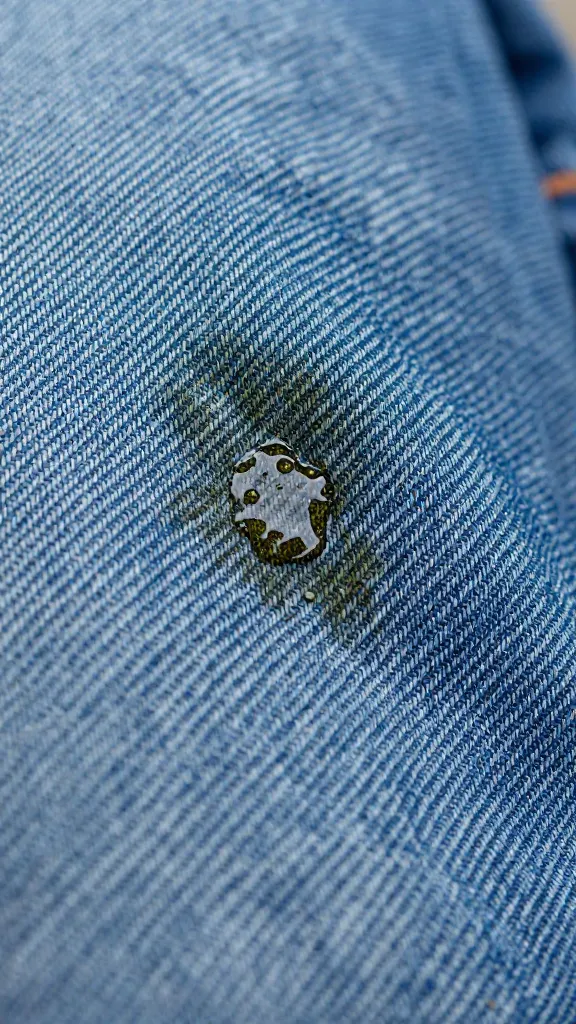
Colorfast fabrics aren’t invincible, but they’re more forgiving. Here’s how to keep colors vibrant while you fight stains.
- Cold water first—always start cold. Warmth can set certain stains and dull colors.
- Test, test, test again in a hidden spot. If the dye runs, you’ve found a color-mismatch alert.
- Product picks: Choose enzyme-based detergents for organic stains and oxygen bleach for whites (never on wool or silk unless the label says it’s OK).
5) Surfaces that aren’t fabric: tile, grout, and countertops
Stains don’t only happen on clothes. Kitchen counters, bathrooms, and floors deserve some love too.
- Baking soda paste for grout scrubs away years of grime. Mix with water, apply, let sit, scrub, rinse.
- Vinegar for mineral stains on glass and chrome can brighten things up. Don’t mix vinegar with bleach, big no-no on surfaces you love.
- Is it a stubborn ring? Try a little non-abrasive scrubbing paste on countertops, then wipe clean. If you scratch your surface, you’ll regret it forever.
6) Fabrics that deserve a gentle touch
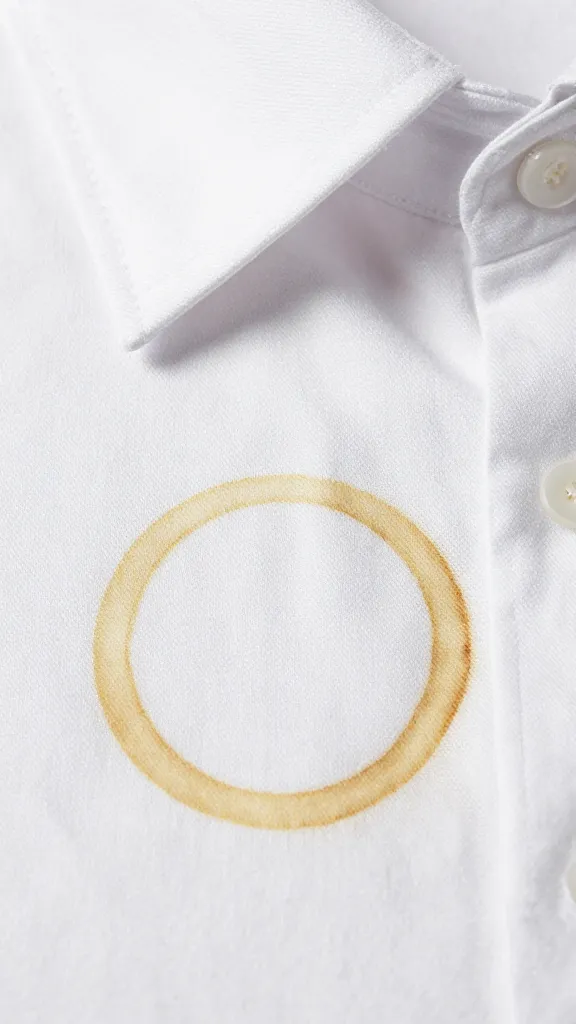
Delicate fabrics require patience and care.
- Blot, not rub—get the excess moisture out without pushing it deeper into fibers.
- Cold water soak helps loosen chlorinated scent and body oils from delicate fabrics. Let it soak, then wash as directed.
- Professional tips: For silk or wool, when in doubt, consult care labels or a professional cleaner. It’s not cowardice—it’s craft.
Spot treatment toolkit
– Mild detergent
– Oxygen-based bleach (for whites and colorfast fabrics)
– White cloths or paper towels to blot
– A soft brush for gentle agitation
7) The “don’t-take-no-for-an-answer” routine for the big stains
Some stains are determined to crash your cleanup party.
- Owner’s manual energy: Always read the care label. If it says “dry clean only,” don’t go rogue with home chemistry.
- Layered approach: Start gentle, escalate only if needed. You don’t have to open with a sledgehammer cleaner.
- Time is your friend: The sooner you treat, the easier the stain melts away. If you’ve waited days, you’ve got a more challenging mission.
FAQ
What’s the best stain remover for coffee on fabrics?
For most fabrics, start with a drop of liquid detergent or a stain remover designed for proteins. Rinse with cold water, repeat as needed, and air dry. If the stain persists, a short soak in a gentle oxygen-based bleach solution (colorfast only) can help.
Can I use bleach on colored fabrics?
Only if the label says it’s safe. Oxygen bleach is often a safer option for colors than chlorine bleach, but always test a hidden spot first. FYI, bleach disasters are harder to undo than most stains.
Is it okay to use vinegar for all stains?
Vinegar is versatile, but not a cure-all. It works well on mineral deposits and some organic stains, but it can react with certain materials or cleaners. Test first, then dab gently.
How do I prevent stains from setting after cleaning?
Avoid heat until the stain is fully removed. Air dry or line dry, then check again. If any trace remains, repeat the treatment rather than blasting with heat and hoping for the best.
What about older stains on white fabrics?
Older stains require persistence. Pre-treat, soak, and use an oxygen bleach product suitable for whites. Don’t mix household chemicals—accidents happen, and they’re not cute.
Is DIY cleaning safe for kids and pets?
Keep cleaners in labeled bottles away from curious hands, and ventilate well. Use child- and pet-safe products when possible, and rinse thoroughly if the surface will contact skin or paws soon after.
Conclusion
Stains don’t have to be a doom-scroll of frustration. With a little strategy, you can attack them head-on and keep your spaces looking sharp. Start with a quick assessment, choose the right approach for oil vs. water-based nasties, and don’t overthink the process. Clean confidently, have a few humorous missteps along the way, and you’ll be the stain-busting hero of your own home—IMO, you’ve got this.